

Last Updated on June 17, 2026
When winter storms hit, being unprepared can turn a cold day into a dangerous one. You never know when snow, ice, or freezing temperatures might cut off power or block roads.
That’s why your safety depends on taking a few simple steps now. You’ll discover easy and effective ways to get ready for winter weather emergencies. Keep reading to protect yourself, your family, and your home when the cold strikes. Don’t wait until it’s too late—your winter safety starts here.
Credit: www.statesman.com
Preparing Your Home
Winter storms can cause power outages and cold temperatures. It is important to get your home ready early. This helps keep your family safe and warm during emergencies.
Simple steps like insulating and checking heating systems protect your home. Stocking supplies gives you what you need if you must stay inside for days.
Insulating Pipes And Windows
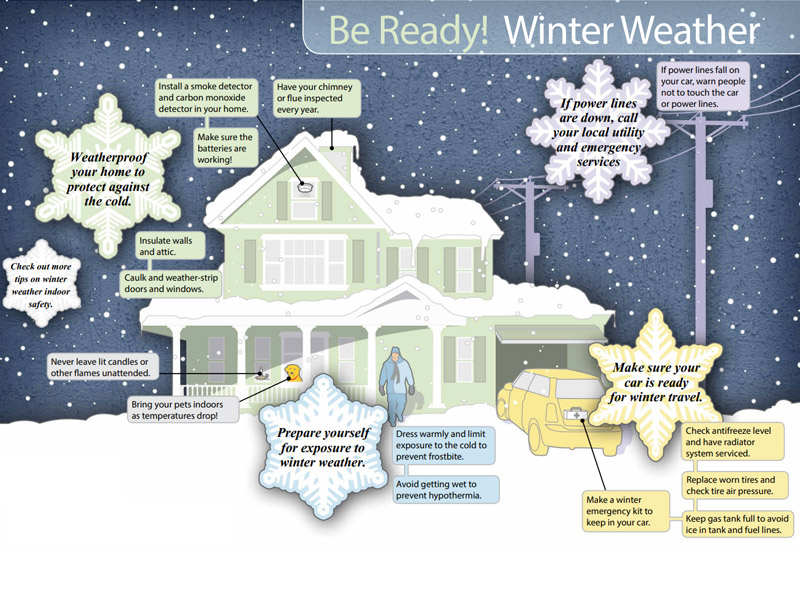
Cold weather can freeze pipes and let heat escape from windows. Insulating pipes helps stop freezing and bursting. Sealing windows keeps warm air inside and cold air out.
- Wrap pipes with foam or insulation tape
- Use weatherstripping or caulk around windows
- Cover windows with plastic film for extra insulation
- Open cabinet doors to warm pipes inside
Stocking Emergency Supplies
Emergency supplies keep you safe during storms and power outages. Have enough food, water, and medicine for several days. Include tools and warm clothing to stay comfortable.
- Non-perishable food and bottled water
- Flashlights and extra batteries
- First aid kit and prescription medicines
- Warm blankets and extra clothes
- Battery-powered radio for updates
Heating System Maintenance
Check your heating system before winter arrives. Clean or replace filters and test your thermostat. A well-maintained system works better and uses less energy.
- Schedule a professional heating check-up
- Clean or change furnace filters monthly
- Test carbon monoxide detectors
- Keep vents and radiators clear of obstructions
Credit: yorkpubliclibrary.org
Safe Travel Practices
Winter weather can make travel dangerous. Snow, ice, and cold can cause accidents and delays.
Preparing your vehicle and knowing how to drive safely helps keep you and others safe on the road.
Winterizing Your Vehicle
Check your tires for good tread and proper air pressure. Use winter tires if possible.
Keep your battery tested. Cold weather can reduce battery power quickly.
- Use winter-grade oil for better engine performance
- Check antifreeze levels to avoid freezing
- Replace windshield wipers and use winter washer fluid
- Keep your gas tank at least half full to prevent fuel line freeze
Driving In Snow And Ice
Drive slowly and increase your following distance. It takes longer to stop on ice and snow.
Avoid sudden movements. Brake gently and steer smoothly to keep control of the vehicle.
- Use low beams in snow or fog for better visibility
- Do not use cruise control on slippery roads
- If you start to skid, steer in the direction you want to go
- Keep both hands on the wheel at all times
Emergency Roadside Kit
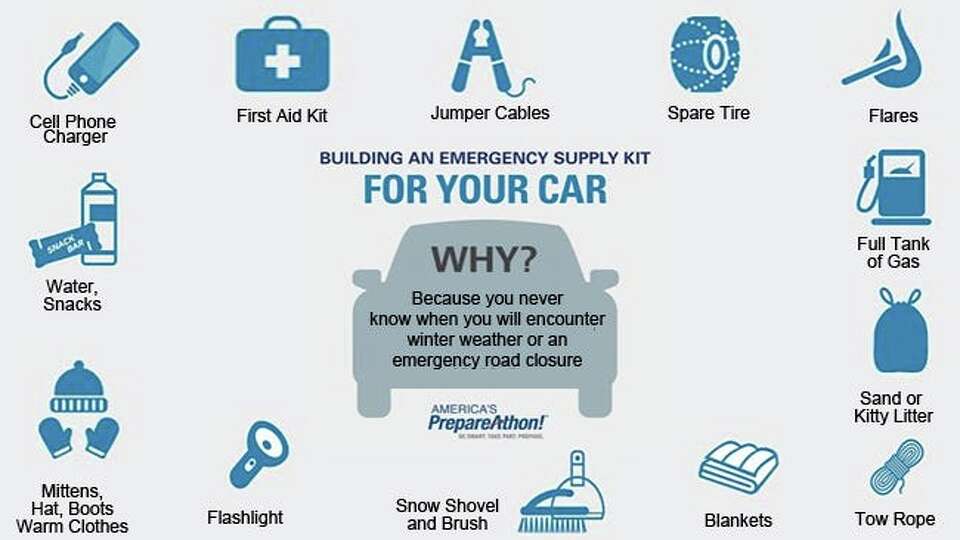
Keep an emergency kit in your vehicle during winter. It helps if you get stuck or stranded.
Include items that can keep you safe and warm until help arrives.
- Blankets or warm clothing
- Flashlight with extra batteries
- Non-perishable snacks and water
- Shovel and ice scraper
- Jumper cables and tow rope
- First aid kit
- Sand or kitty litter for traction
Health And Safety Tips
Winter weather can be dangerous if you are not ready. Cold temperatures and storms create risks for your health and safety. It is important to prepare and stay safe.
This guide shares simple tips to help you avoid health problems and handle emergencies during winter weather.
Preventing Hypothermia And Frostbite
Hypothermia happens when your body loses heat too fast. Frostbite is when skin and tissue freeze. Both can be serious in cold weather.
Wear warm clothes in layers. Cover your head, hands, and feet well. Stay dry, because wet clothes lose heat quickly.
- Wear a hat, scarf, and gloves outdoors
- Use insulated boots with good socks
- Stay inside during very cold weather
- Check yourself and others for numb or pale skin
- Get medical help if you notice signs of frostbite or hypothermia
Managing Power Outages
Winter storms can cause power outages. Losing heat and light can be dangerous. You need a plan to stay safe when the power goes out.
Keep warm by wearing layers and using blankets. Avoid using gas stoves or grills indoors for heat. Have flashlights and batteries ready.
- Charge your phone and devices before storms
- Use battery-powered lights, not candles
- Keep a supply of food and water
- Stay in one room to keep warm
- Check on neighbors, especially older adults
Staying Informed With Weather Alerts
Knowing about winter weather ahead helps you prepare. Weather alerts warn you about storms, cold, and other dangers.
Use a weather radio or a phone app that sends alerts. Listen to local news for updates. Follow instructions from officials.
- Sign up for local weather alerts on your phone
- Keep a battery-powered weather radio
- Check weather reports before travel
- Follow advice to stay indoors or evacuate if needed
Credit: www.cdc.gov
Community And Support
Winter weather can bring many challenges to communities. Cold, snow, and ice can cause problems for people of all ages.
Working together and supporting each other helps everyone stay safe and warm during winter emergencies.
Checking On Neighbors
Check on neighbors often during cold weather. Older adults and people with disabilities may need extra help.
Make sure they have heat, food, and medicine. Offer to help clear snow or get supplies if needed.
- Visit or call neighbors regularly
- Share emergency phone numbers
- Help with snow removal or errands
Local Emergency Resources
Know where to find local help during winter emergencies. Emergency shelters and warming centers can save lives.
Keep a list of important phone numbers and locations nearby. This helps you act fast when problems arise.
- Emergency shelters and warming centers
- Local fire and police departments
- Community health and social services
- Utility company emergency contacts
Volunteering During Winter Crises
Volunteering helps your community during winter storms and power outages. Your time can make a big difference.
Join local groups or emergency teams. You can help with shelter support, food delivery, or clearing snow.
- Help at local shelters and warming centers
- Assist with delivering food and medicine
- Clear snow for neighbors who need help
- Share information about safety and resources
Frequently Asked Questions
How Can I Prepare For A Winter Storm?
Stock up on food, water, and warm clothes. Check flashlights and batteries. Prepare a first-aid kit.
What Should I Include In An Emergency Kit?
Include water, non-perishable food, flashlight, batteries, blankets, and a first-aid kit in your emergency kit.
How Do I Protect My Home During Cold Weather?
Insulate pipes. Seal windows and doors. Keep faucets dripping to prevent freezing. Check your heating system.
What Are Important Car Safety Tips For Winter?
Keep a safety kit, blankets, and snacks in your car. Check tires and battery regularly. Drive slowly.
How Can I Stay Informed About Winter Weather?
Listen to weather forecasts. Sign up for alerts on your phone. Follow local news stations for updates.
Conclusion
Preparing for winter weather keeps you and your family safe. Keep emergency supplies ready and check your heating systems often. Stay informed about weather updates and plan travel carefully. Clear snow and ice promptly to avoid accidents. Small steps today can prevent big problems tomorrow.
Stay warm, stay alert, and stay safe this winter season. Taking action now helps you face winter emergencies with confidence.