

Last Updated on June 17, 2026
Power outages during storms can strike without warning, leaving you in the dark and cutting off your essential daily routines. Imagine being stuck without light, heat, or a way to charge your phone when you need it most.
You don’t have to feel powerless or unprepared. By taking a few simple steps now, you can protect yourself and your family from the stress and dangers that come with sudden blackouts. Keep reading to discover practical tips that will help you stay safe, comfortable, and in control when the power goes out.
Credit: www.atcoenergy.com
Storm Impact On Power
Storms often cause power outages that affect many homes and businesses. Strong winds, rain, and lightning can damage power lines and equipment.
Preparing for these outages helps keep your family safe and comfortable during storms. Knowing what causes outages and how long they last is important.
Common Causes Of Outages
Storms can cause outages in different ways. Trees falling on power lines is a common cause. Lightning strikes may damage electrical equipment.
Heavy rain or flooding can also disrupt power systems. Strong winds can blow debris into power lines, causing sparks or breaks.
- Fallen trees and branches
- Lightning strikes on transformers
- Flooding of electrical equipment
- Wind damage to power lines
- Debris causing short circuits
Duration And Frequency Patterns
Power outages during storms usually last from a few minutes to several hours. Some severe storms can cause outages that last days.
Outages happen more often in areas with many trees or older power lines. Frequency increases during storm seasons like summer or fall.
- Short outages: a few minutes to a few hours
- Long outages: several hours to days
- Frequent outages near forests or old lines
- More outages during storm seasons

Credit: www.youtube.com
Emergency Supplies Checklist
Power outages often happen during storms. Being ready helps keep you safe and comfortable. Prepare a checklist of supplies before a storm arrives.
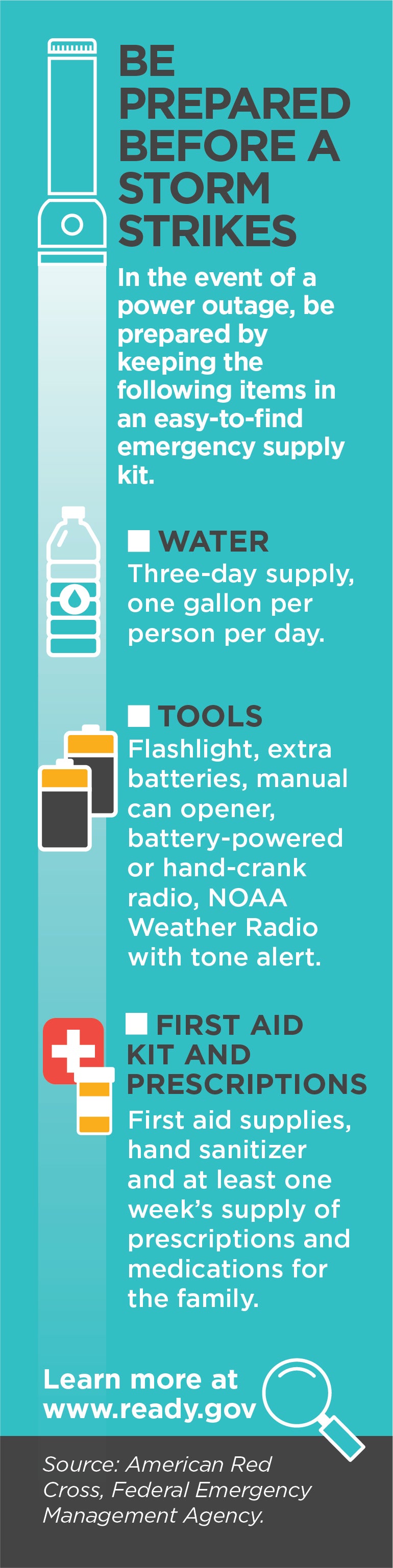
This checklist covers lighting, food, water, and first aid items. These supplies can make a big difference in an emergency.
Lighting And Power Alternatives
Without electricity, you need other light sources. Choose safe and reliable options to avoid accidents. Have backup power for small devices if possible.
- Flashlights with extra batteries
- Battery-powered lanterns
- Solar-powered lights
- Portable power banks for phones
- Manual crank radios with light
- Extra batteries of different sizes
Food And Water Storage
Keep enough food and water to last several days. Choose non-perishable foods that do not need cooking. Store water in clean containers.
- Bottled water – one gallon per person per day
- Ready-to-eat canned foods
- Dry snacks like nuts and granola bars
- Manual can opener
- Baby food and pet food if needed
- Water purification tablets or filters
First Aid Essentials
A first aid kit is vital during power outages. It helps treat small injuries and prevents infections. Include extra items for specific family needs.
- Adhesive bandages in various sizes
- Antiseptic wipes and ointment
- Gauze pads and medical tape
- Disposable gloves
- Pain relievers like ibuprofen or acetaminophen
- Thermometer
- Scissors and tweezers
- Any prescribed medications
Home Safety Measures
Storms can cause power outages that last for hours or days. Preparing your home helps keep your family safe and comfortable.
Taking simple steps before a storm can protect your devices and appliances. It also ensures you have safe heating options during outages.
Securing Electrical Devices
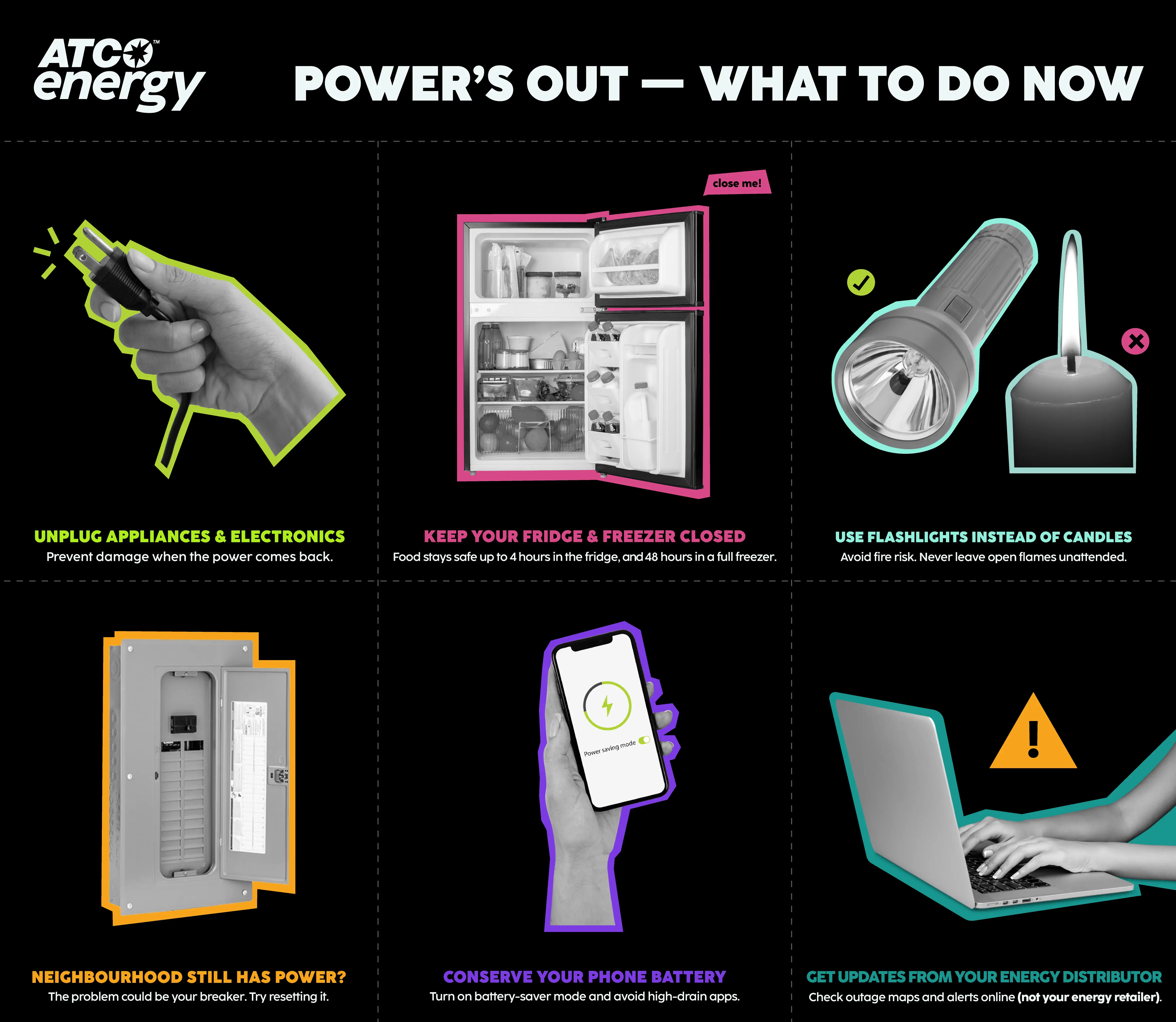
Unplug electrical devices before a storm to avoid damage. This prevents electrical surges from harming your equipment.
Keep cords and plugs dry and off the floor. Water and electricity together create a hazard in your home.
- Unplug computers, TVs, and chargers
- Store backup batteries in a dry place
- Use surge protectors for important devices
- Keep flashlights handy with fresh batteries
Protecting Appliances From Surges
Power surges can damage large appliances like refrigerators and microwaves. Using surge protectors reduces this risk.
Turn off major appliances during storms if possible. This helps avoid damage when power returns suddenly.
- Install whole-house surge protectors if possible
- Use individual surge protectors for sensitive appliances
- Keep appliance manuals and warranty info safe
- Check surge protectors regularly for damage
Safe Heating Options
Power outages can make your home cold quickly. Choose safe heating methods to stay warm without electricity.
Use heaters designed for indoor use only. Never use outdoor heaters or open flames inside your home.
- Use battery-powered or propane heaters made for indoors
- Keep heaters away from curtains and furniture
- Have smoke and carbon monoxide detectors working
- Never leave heaters unattended
Communication And Backup Plans
Power outages during storms can disrupt daily life. Preparing communication and backup plans helps keep you safe and connected.
Knowing how to stay informed and having backup power options can reduce stress. Families should plan together to handle emergencies.
Staying Informed During Outages
Stay updated on weather and outage news using multiple sources. Use battery-powered radios or smartphone apps with offline modes.
Have a list of emergency contacts and local utility numbers saved. Check in with neighbors to share important information.
- Battery-powered or hand-crank radio
- Smartphone apps with offline alerts
- Text message alerts from local authorities
- Neighbor check-ins for updates
Backup Power Solutions
Backup power can keep important devices running during outages. Portable power banks and generators are useful options.
Choose a backup power solution based on your needs. Test your devices often to ensure they work when needed.
- Portable power banks for phones and tablets
- Solar chargers for sustainable energy
- Gas or propane generators for home use
- Uninterruptible power supplies (UPS) for computers
Family Emergency Coordination
Create a family plan for emergencies. Decide on meeting places and how to communicate if phones do not work.
Share important information with all family members. Practice your plan regularly to make sure everyone understands it.
- Choose safe meeting spots inside and outside your home
- Keep a list of emergency contacts for each person
- Agree on ways to communicate without power
- Practice drills to stay prepared
Credit: www.lumbeeriver.com
Frequently Asked Questions
What Should I Do Before A Power Outage?
Create an emergency kit. Include flashlights, batteries, water, and non-perishable food. Charge devices in advance.
How Can I Keep Food Safe During Outages?
Keep refrigerator and freezer doors closed. Use a thermometer to check food temperatures. Discard perishable items above 40°F.
How Do I Stay Informed During Power Outages?
Use a battery-powered radio. Follow local news updates. Sign up for mobile alerts from authorities.
How Can I Safely Use A Generator?
Place generator outside. Keep it away from windows and doors. Follow manufacturer instructions closely.
What Are The Best Lighting Options During Outages?
Use battery-powered lanterns and flashlights. Avoid candles to prevent fire hazards. Stock up on extra batteries.
Conclusion
Power outages during storms can cause many problems. Being ready helps keep you safe and calm. Store extra water, food, and batteries in advance. Keep flashlights and a radio nearby for updates. Charge your devices before the storm hits. Stay inside and avoid using candles to prevent fires.
Remember, small steps make a big difference. Preparedness protects your family and home. Stay alert and take action early. Safety is always the best choice.