

Last Updated on June 17, 2026
Imagine how you would feel if an emergency happened right now. Would you know what to do to keep your kids safe?
Preparing your children for emergencies isn’t just smart—it’s essential. When you take simple steps to teach your kids how to react, you give them confidence and peace of mind. This guide will show you easy and effective ways to get your family ready for anything.
Keep reading to learn how to protect your most precious loved ones when it matters most.
Building A Safety Plan
Preparing kids for emergencies is very important. A safety plan helps families stay safe during unexpected events.
This plan teaches children what to do and where to go. It gives them clear steps to follow in a crisis.
Creating Family Emergency Contacts
Make a list of important phone numbers for your family. Include parents, relatives, and trusted neighbors.
Teach kids how to use the list. Show them how to call for help if needed.
- Parents’ cell and work numbers
- Close relatives’ phone numbers
- Family doctor and local emergency services
- Trusted neighbors or family friends
Designing Escape Routes
Plan different ways to exit your home safely. Make sure kids know all escape routes.
Practice using these routes so kids feel confident. Keep paths clear of obstacles at all times.
- Identify at least two exits from each room
- Check windows and doors for easy opening
- Teach kids to stay low if there is smoke
- Practice escape drills regularly
Establishing Meeting Points
Choose safe places where your family can meet after an emergency. Pick spots near and outside your home.
Make sure kids remember these places. This helps everyone find each other quickly and stay safe.
- Meeting spot outside the house, like a tree or mailbox
- A location outside your neighborhood
- Emergency shelter or community center
- Teach kids how to get to each meeting point
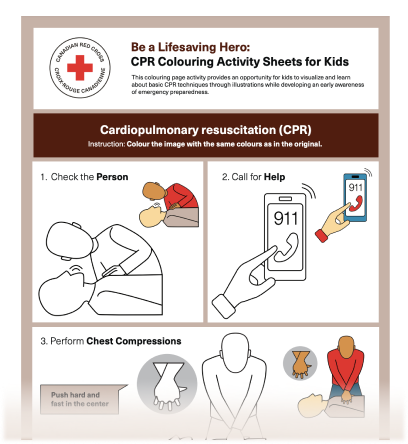
Credit: myrc.redcross.ca
Teaching Basic Safety Skills
Teaching kids basic safety skills helps them stay safe in emergencies. It gives them confidence to act quickly and calmly.
Start with simple lessons that kids can remember easily. Practice these skills often to build good habits.
Recognizing Emergency Numbers
Kids should know how to call for help in an emergency. Teach them the main emergency numbers in your area.
Explain when to call and what information to give. Practice role-playing calls so they feel ready.
- Know the local emergency number (like 911)
- Say your name and address clearly
- Describe the emergency calmly
- Listen to the operator’s instructions
Practicing Fire Drills
Fire drills teach kids how to leave a building safely. Practice drills at home to make sure they know what to do.
Show them safe exits and a meeting spot outside. Remind kids to stay low if there is smoke.
- Find two ways out of every room
- Practice leaving quickly but safely
- Choose a safe meeting place outdoors
- Never go back inside during a fire
Learning First Aid Basics
Teach kids simple first aid to help minor injuries. Knowing basic care can prevent problems from getting worse.
Show how to clean cuts, apply bandages, and when to ask an adult for help.
- Wash hands before touching a wound
- Clean small cuts with water
- Cover cuts with a bandage
- Tell an adult if the injury is serious
Preparing Emergency Kits
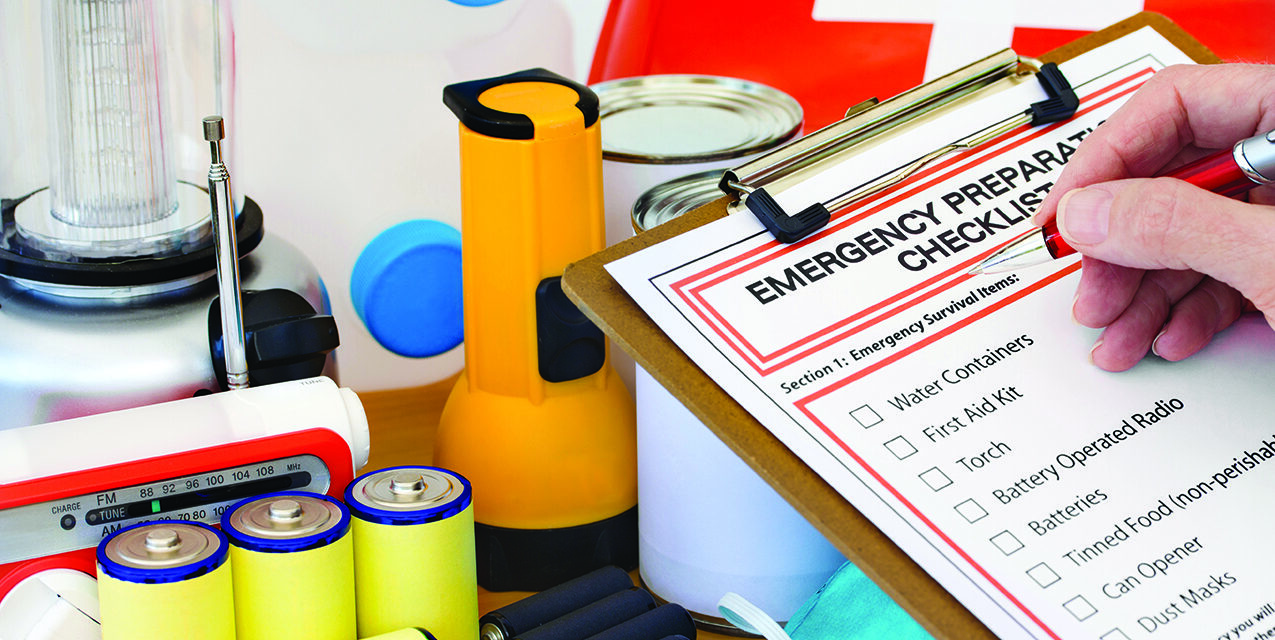
Emergency kits help keep kids safe during unexpected events. A well-prepared kit gives comfort and basic needs.
Parents and guardians should prepare kits that fit each child’s needs. This guide explains how to do it.
Essential Supplies For Kids
Every child’s emergency kit needs important items. These supplies help them stay safe and calm.
- Water bottles for drinking
- Non-perishable snacks like granola bars
- A small first aid kit with bandages and antiseptic
- Comfort items such as a favorite toy or blanket
- Extra clothes and warm layers
- Flashlight with extra batteries
- Whistle to signal for help
- Face masks and hand sanitizer
- Important contact information on a card
Customizing Kits For Different Scenarios
Kids face different emergencies like storms or power outages. Kits should change based on these situations.
Think about your area and your child’s needs. Add special items to help them in each case.
- For cold weather: include gloves, hats, and blankets
- For allergies: pack any needed medicine and allergy cards
- For long stays: include games or books to pass time
- For evacuations: add copies of important documents and ID
- For power outages: pack extra batteries and a hand-crank radio
Maintaining And Updating Kits
Emergency kits need regular checks. Supplies can expire or break over time.
Check kits every six months. Replace old food, water, and batteries. Update contact info as needed.
- Mark a date on the calendar to review the kit
- Test flashlights and replace batteries if low
- Swap out expired snacks and water bottles
- Update medical supplies and prescriptions
- Make sure all items still fit your child’s size and needs
Credit: buffalohealthyliving.com
Encouraging Emotional Preparedness
Preparing kids for emergencies means more than teaching safety rules. It includes helping them handle their feelings and fears. Emotional readiness helps children stay calm and think clearly during tough times.
Parents and teachers can guide kids to express their emotions and build trust. This support makes kids feel safer and more in control during emergencies.
Addressing Fears And Concerns
Kids often feel scared about emergencies because they do not understand what will happen. Talking openly about their fears helps them feel heard and less alone. Answer questions honestly but keep explanations simple.
Reassure children that adults are there to help and keep them safe. Use calm words and offer comfort to reduce anxiety.
- Listen carefully to what worries them
- Explain safety steps in easy words
- Use examples they can relate to
- Remind them who to ask for help
Building Confidence Through Role Play
Role play lets kids practice what to do in emergencies. Pretending to handle situations builds their skills and bravery. It also makes emergency plans feel less scary and more familiar.
Use simple scenarios like fire drills or calling for help. Praise their efforts to boost confidence and encourage questions.
- Practice safe exits from rooms or buildings
- Role play calling emergency numbers
- Teach how to stay calm and listen
- Review what to pack in an emergency kit
Communicating During Emergencies
Clear communication helps kids feel safe and informed. Teach them how to speak calmly and share important details with adults. Make sure they know who to contact if they need help.
Use simple phrases and practice them often. Encourage kids to ask for help when unsure and to tell trusted adults what is happening.
- Say your full name and address clearly
- Explain what is wrong or what you see
- Stay on the phone until told to hang up
- Find a safe adult nearby if needed
Credit: www.etsy.com
Frequently Asked Questions
How Can Kids Prepare For Emergencies At Home?
Kids should learn emergency contact numbers. Practice fire drills. Keep a small emergency kit. Stay calm.
What Items Should Be In A Child’s Emergency Kit?
Include a flashlight, water bottle, snacks, whistle, and a small first aid kit. Essentials only.
Why Is Emergency Preparedness Important For Children?
It helps them stay calm and act quickly. Increases safety. Reduces panic in real situations.
How Often Should Families Practice Emergency Drills?
Practice drills every few months. Regular practice makes responses automatic. Everyone knows what to do.
What Role Do Schools Play In Emergency Preparedness For Kids?
Schools conduct regular drills. Teach kids safety procedures. Provide a safe environment. Educate about emergencies.
Conclusion
Teaching kids about emergency preparedness helps keep them safe. Simple steps and clear plans make a big difference. Practice drills at home build confidence and reduce fear. Children learn to stay calm and follow instructions. Families that prepare together feel stronger and ready.
Start early to create good habits for the future. Safety is a skill everyone can learn and use daily. Keep information easy and repeat it often. Prepared kids become prepared adults.