

Last Updated on June 17, 2026 by Blake Turner
Imagine finding yourself deep in the wilderness with no compass, no map, and no GPS. How would you find your way back?
You might think it’s impossible, but with the right knowledge, you can navigate confidently without any tools. This skill can be a lifesaver when you’re off the grid or caught in unexpected situations. You’ll discover simple, practical methods to read nature’s signs and stay on course.
By the end, you’ll feel prepared and empowered to explore the wild without relying on gadgets. Ready to unlock the secrets of wilderness navigation? Let’s dive in.

Credit: grimworkshop.com
Natural Landmarks As Guides
When you are in the wilderness without tools, natural landmarks can help you find your way. Trees, rocks, mountains, and rivers all give clues about direction.
Learning to read these signs can keep you safe and help you reach your destination. Nature provides many guides if you know how to look.
Using Trees And Rocks For Direction
Trees and rocks often show patterns that point to north or south. Moss usually grows on the north side of trees in many places.
Rocks may also have sun-warmed sides that face south. Look for trees with more branches or thicker bark on one side; that side often faces the sun.
- Moss grows thicker on the north side of trees
- South-facing tree branches are often fuller
- Rocks warm by the sun tend to be on the south side
Interpreting Mountain And River Shapes
Mountain shapes can help you tell direction. Peaks often run north to south, and slopes may face east or west depending on sun exposure.
Rivers usually flow downhill to larger bodies of water. Knowing the general map of the area helps to use rivers as guides.
- Mountains often align north to south
- Sun-facing slopes get more light and warmth
- Rivers flow from higher to lower ground
- Follow rivers downstream to find settlements or roads
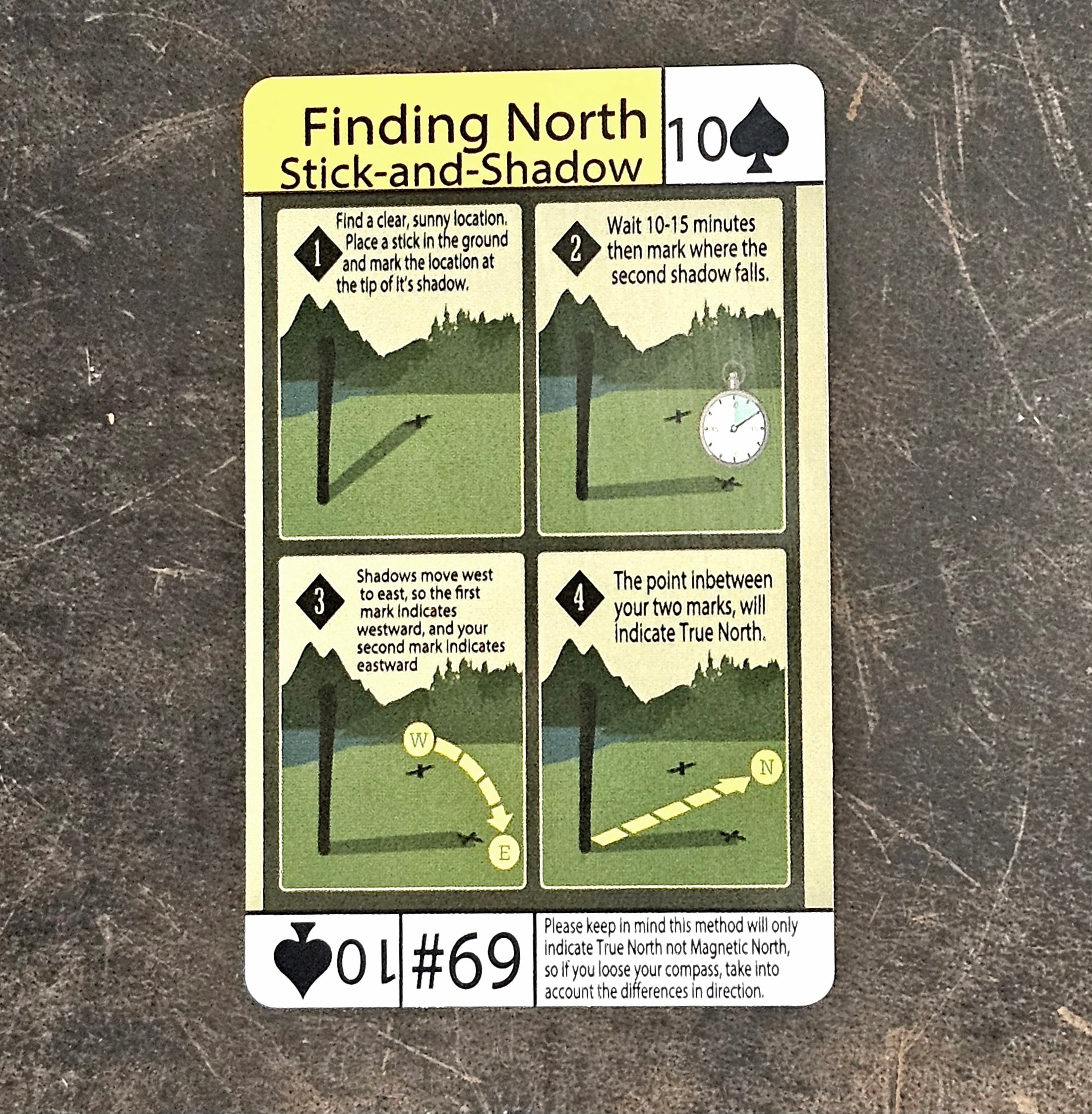
Credit: grimworkshop.com
Sun And Stars For Orientation
Finding your way in the wilderness is possible without tools. The sun and stars help you know directions. They are natural guides you can trust.
By watching the sun during the day and stars at night, you can stay on track. Learning simple signs from nature keeps you safe.
Tracking The Sun’s Movement
The sun moves across the sky from east to west. In the morning, it rises in the east. In the evening, it sets in the west.
At noon, the sun is usually in the south if you are in the northern hemisphere. You can use this to find north, south, east, and west.
- Face the rising sun to find east.
- West is behind you when facing east.
- South is to your right if you face east.
- North is to your left if you face east.
Navigating By Night With Stars
At night, stars help you find direction. The North Star, also called Polaris, shows true north in the northern sky.
Look for the Big Dipper constellation. The two stars at the end of its bowl point directly to Polaris. This star stays in the same spot all night.
- Find the Big Dipper in the sky.
- Use its pointer stars to locate Polaris.
- Polaris shows the direction north.
- Once you find north, east is right, west is left, and south is behind you.
Reading Weather And Environmental Clues
Finding your way in the wilderness without tools is possible. Nature gives signs that help you navigate. Weather and environmental clues tell a lot about direction and safety.
Observing the sky, wind, animals, and plants can guide your path. Learning these signs improves your chance to move safely and avoid getting lost.
Cloud Patterns And Wind Direction
Clouds show weather changes and direction. Some clouds move fast, signaling strong winds. Look where the clouds come from to know wind direction.
Wind direction helps you decide where to go. For example, if the wind blows from the north, you can use that to keep your bearings.
- Low, dark clouds may mean rain is coming.
- High, thin clouds often show fair weather.
- Clouds moving quickly usually mean strong winds.
- Wind often blows from high-pressure to low-pressure areas.
Animal Behavior And Vegetation
Animals sense weather and danger first. Their movements can hint at changes in weather or help find water and shelter.
Plants grow in ways that show direction. Moss often grows on the north side of trees in the northern hemisphere. Trees may lean toward sunlight.
- Birds fly low before a storm.
- Ants build higher nests before rain.
- Moss tends to grow on the north side of trees.
- Grass and plants grow taller on the side facing the sun.
Practical Skills For Safe Travel
Traveling in the wilderness without tools can be safe if you know simple skills. These skills help you find your way and avoid getting lost.
Learning how to mark trails, backtrack, and estimate distance and time improves your chances of safe travel.
Marking Trails And Backtracking
Marking trails helps you find your way back. Use natural objects like stones or sticks to create marks.
Backtracking means following your marks to return to where you started. This skill is useful if you get lost.
- Stack small rocks in piles (cairns) at trail points
- Break a small branch or leaf to mark a path
- Use scratches on tree bark carefully to avoid damage
- Remember your marks to follow them back safely
Estimating Distance And Time
Knowing how far you have traveled helps you plan your trip. You can guess distance by counting steps or using time.
Walking speed changes with terrain. Estimating time helps you avoid traveling in the dark.
- Count your steps to estimate distance (about 2,000 steps per mile)
- Use a steady pace to measure time traveled
- Adjust estimates if the ground is rough or steep
- Plan rest breaks to keep energy and focus
Credit: www.battlbox.com
Frequently Asked Questions
How Can You Navigate Using The Sun?
Use the sun’s position. Morning sun rises in the east, sets in the west.
What Is Natural Navigation?
Natural navigation uses environmental clues like stars, sun, wind, and landmarks.
Can Moss Help In Finding Direction?
Yes, moss usually grows on the north side of trees in the Northern Hemisphere.
How Do Stars Guide Navigation?
Locate the North Star. It’s almost directly above the North Pole.
Why Listen To Bird Sounds For Navigation?
Birds fly towards water sources. Their sounds can guide you to water.
Conclusion
Navigating in the wilderness without tools is a useful skill. Nature offers many clues like the sun, stars, and plants. Pay attention to your surroundings and stay calm. Practice these techniques to build your confidence. With patience, you can find your way safely.
Remember, being prepared and aware is key. Keep learning and stay curious about the natural world. This skill can help during unexpected situations. Trust yourself and the signs nature gives you.