

Last Updated on June 17, 2026
Have you ever thought about finding your own food right from nature? Foraging for edible plants can be a fun and rewarding way to connect with the outdoors while discovering fresh, healthy ingredients.
Imagine picking wild greens, berries, or herbs that are not only free but packed with flavor and nutrients. This guide will help you learn the basics, stay safe, and enjoy every step of your foraging adventure. Ready to uncover the hidden treasures growing just outside your door?
Keep reading to find out how you can start foraging today.
Essential Tools And Safety Tips
Foraging for edible plants is a fun way to connect with nature. It also helps you find fresh, wild food.
Using the right tools and knowing safety rules makes foraging easier and safer. This guide covers what you need.
Basic Foraging Gear
Having the right gear helps you collect plants safely and efficiently. Carry tools that protect and assist you.
- A sturdy basket or cloth bag to hold plants without crushing them
- A small knife or scissors for cutting plants cleanly
- Gloves to protect your hands from thorns or irritants
- A field guidebook or plant identification app for quick checks
- Water bottle to stay hydrated while outdoors
- Comfortable shoes and weather-appropriate clothing
Identifying Poisonous Plants
Knowing which plants are poisonous is very important. Eating the wrong plant can cause sickness or worse.
Always study plants closely before picking. Use a guidebook or app to compare leaves, flowers, and stems.
- Learn the common poisonous plants in your area
- Check for warning signs like milky sap or bad smells
- If unsure, do not eat the plant
- Practice “When in doubt, leave it out”
Foraging Ethics And Legal Considerations
Respect nature and follow local laws when foraging. This protects plants and keeps you safe.
Only take what you need and avoid rare or protected species. Always ask permission if on private land.
- Check local rules about foraging in parks or forests
- Do not overharvest from one spot
- Leave some plants to grow and spread seeds
- Respect wildlife and their habitats
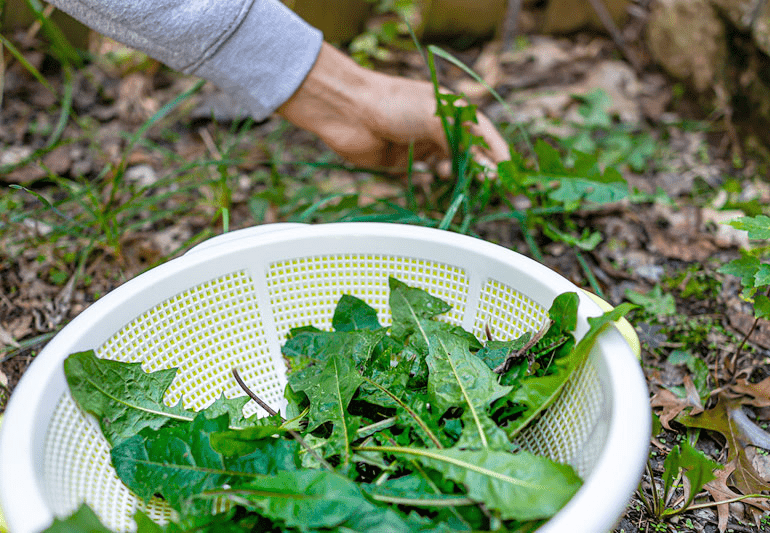
Credit: health.clevelandclinic.org
Common Edible Wild Plants
Foraging for edible wild plants is a fun way to find fresh food. Many plants grow naturally and are safe to eat.
Learning which plants are edible helps you enjoy nature and eat healthy meals outdoors.
Leafy Greens And Herbs
Leafy greens and herbs are common wild plants you can eat. They add flavor and nutrients to meals.
Some popular edible wild greens include dandelion, chickweed, and lamb’s quarters. Wild herbs like mint and wild garlic are easy to find.
- Dandelion:Leaves are bitter but rich in vitamins.
- Chickweed:Soft leaves, good in salads.
- Lamb’s Quarters:Similar to spinach, mild taste.
- Wild Mint:Fresh aroma, good for teas.
- Wild Garlic:Strong smell, used in cooking.
Fruits And Berries
Wild fruits and berries are sweet and full of vitamins. They are easy to spot during the growing season.
Common edible wild fruits include blackberries, raspberries, and wild strawberries. These fruits are tasty and safe if picked ripe.
- Blackberries:Dark, juicy, grow on thorny bushes.
- Raspberries:Red or black, soft and sweet.
- Wild Strawberries:Small, red, very sweet.
- Blueberries:Blue or purple, round, grow in clusters.
- Serviceberries:Small, sweet, grow on trees.
Roots And Tubers
Roots and tubers grow underground and store food for the plant. Many are edible and nutritious.
Examples of edible wild roots include wild carrots, cattail roots, and Jerusalem artichokes. You should clean and cook these well before eating.
- Wild Carrot:Also called Queen Anne’s lace, edible if young.
- Cattail Roots:Found near water, starchy and filling.
- Jerusalem Artichoke:Knobby tuber, nutty taste.
- Burdock Root:Long, brown, used in cooking.
- Wild Onions:Small bulbs, add flavor like garden onions.
Seasonal Foraging Calendar
Foraging for edible plants is a rewarding way to connect with nature. Different plants grow in different seasons.
Knowing when to forage helps you find the best foods. It also keeps you safe by avoiding toxic plants.
Spring Finds
Spring brings fresh greens and wildflowers. It is a great time to find early edible plants.
Look for young leaves, shoots, and tender herbs. These plants are full of nutrients after winter.
- Wild garlic and ramps
- Stinging nettle
- Fiddlehead ferns
- Dandelion greens
- Chickweed
Summer Harvest
Summer is the time for berries and fruits. Many plants produce edible flowers and seeds in summer.
You can find foods that are sweeter and easier to spot. Harvest before animals eat them all.
- Blackberries and raspberries
- Elderflowers
- Wild strawberries
- Chicory flowers
- Sunflower seeds
Fall Bounty
Fall offers nuts, mushrooms, and root vegetables. This season is perfect for gathering long-lasting foods.
Many plants store energy in roots and nuts. Collect these before frost arrives to preserve them well.
- Acorns and walnuts
- Chanterelle and porcini mushrooms
- Wild apples and pears
- Jerusalem artichokes
- Hazelnuts
Winter Survival Foods
Winter has fewer options but some plants stay edible. Look for hardy greens and stored roots.
Some bark and seeds can also provide nutrition. These foods help you survive cold months outdoors.
- Evergreen needles (for tea)
- Bark from certain trees (like pine)
- Stored nuts like acorns
- Root vegetables left from fall
- Wild garlic bulbs

Credit: www.baconismagic.ca
Preparing And Storing Wild Foods
Foraging for wild plants is a rewarding way to find fresh, natural foods. To enjoy these foods safely, you need to prepare and store them properly.
Cleaning, cooking, and preserving wild foods help keep them safe and tasty. Learn simple ways to do this well.
Cleaning And Cooking Techniques
Always clean wild plants carefully to remove dirt and bugs. Rinse them in cold water several times before cooking.
Cook wild plants by boiling, steaming, or sautéing. Cooking helps remove toxins and makes plants easier to digest.
- Use cold water to wash leaves and roots
- Boil tough plants for 10-15 minutes
- Steam delicate greens to keep nutrients
- Sauté with olive oil and garlic for flavor
Preservation Methods
Preserve wild foods to enjoy them longer. Drying, freezing, and pickling are common ways to store plants.
Dry herbs and leaves by hanging them in a dry, dark place. Freeze cooked plants in airtight containers.
- Dry plants completely before storing
- Use freezer bags to avoid freezer burn
- Pickle wild vegetables in vinegar and salt
- Label containers with dates for easy tracking
Incorporating Wild Foods Into Meals
Wild plants add unique flavors and nutrients to meals. Use them fresh or preserved in soups, salads, and stir-fries.
Try mixing wild greens with familiar vegetables. Add wild herbs to sauces or sprinkle dried plants on snacks.
- Add fresh wild greens to salads for a fresh taste
- Mix cooked wild plants into pasta or rice dishes
- Use wild herbs to season meats and vegetables
- Sprinkle dried plants on bread or crackers

Credit: www.amazon.ca
Frequently Asked Questions
What Are The Safest Edible Plants To Forage In The Wild?
Choose common plants like dandelions, chickweed, and wild garlic. They are easy to identify and safe to eat.
How Can I Identify Edible Plants Correctly?
Look for clear features like leaf shape, flower color, and smell. Use a good plant guidebook or app for help.
What Tools Do I Need For Foraging Edible Plants?
A small knife, gloves, a basket, and a plant guidebook are enough for beginners.
When Is The Best Time To Forage Edible Plants?
Spring and early summer are best. Plants are fresh, young, and more nutritious then.
How Do I Avoid Poisonous Plants While Foraging?
Learn to spot key differences and never eat plants you don’t recognize fully. Safety first!
Conclusion
Exploring nature for edible plants is a rewarding experience. It connects us with the environment. Discovering safe plants requires research and care. Always verify plant identity before eating. Foraging offers a chance to learn and enjoy nature’s bounty. It encourages a sustainable lifestyle.
Share your experiences with friends and family. They may join your foraging adventures. Enjoy the fresh air and exercise. Nature provides delicious and nutritious options. Respect the environment and leave no trace. Happy foraging!