

Last Updated on June 17, 2026
Imagine being out in the wild, away from stores and restaurants, and suddenly realizing you need to find food to survive. What would you do?
Knowing how to find food in the wild can make the difference between feeling lost and staying safe. This guide will show you simple, practical ways to spot edible plants, hunt, and gather what nature offers. By the time you finish reading, you’ll have the confidence to trust your instincts and keep yourself nourished, no matter where you are.
Ready to learn how to turn the wild into your pantry? Let’s dive in.
Credit: thenas.org.uk
Identifying Edible Plants
Finding food in the wild can keep you alive in tough situations. Knowing which plants are safe to eat is very important.
Some plants look alike but are very different. Learning how to tell edible plants from harmful ones helps you avoid danger.
Common Wild Edibles
Many wild plants can provide good nutrition. They often grow near water or in clearings. Look for familiar shapes and smells.
- Dandelion: Leaves, flowers, and roots are edible.
- Wild garlic: Has a strong garlic smell and hollow leaves.
- Blackberries: Grow on thorny bushes with sweet berries.
- Chickweed: Small green leaves and tiny white flowers.
- Stinging nettle: Leaves must be cooked to remove sting.
Toxic Lookalikes To Avoid
Some plants look like safe foods but can cause sickness. Always check carefully before eating. If unsure, do not eat.
- Poison hemlock looks like wild carrot but is deadly.
- Deadly nightshade has berries that look like blackberries.
- Water hemlock resembles wild parsnip and is very toxic.
- Green baneberry has white or red berries that are poisonous.
- Foxglove looks attractive but its leaves are poisonous.
Seasonal Plant Availability
Plants grow at different times of the year. Knowing when each plant appears helps you find food more easily.
- Spring: Wild garlic, dandelion leaves, and chickweed are common.
- Summer: Berries like blackberries and raspberries ripen.
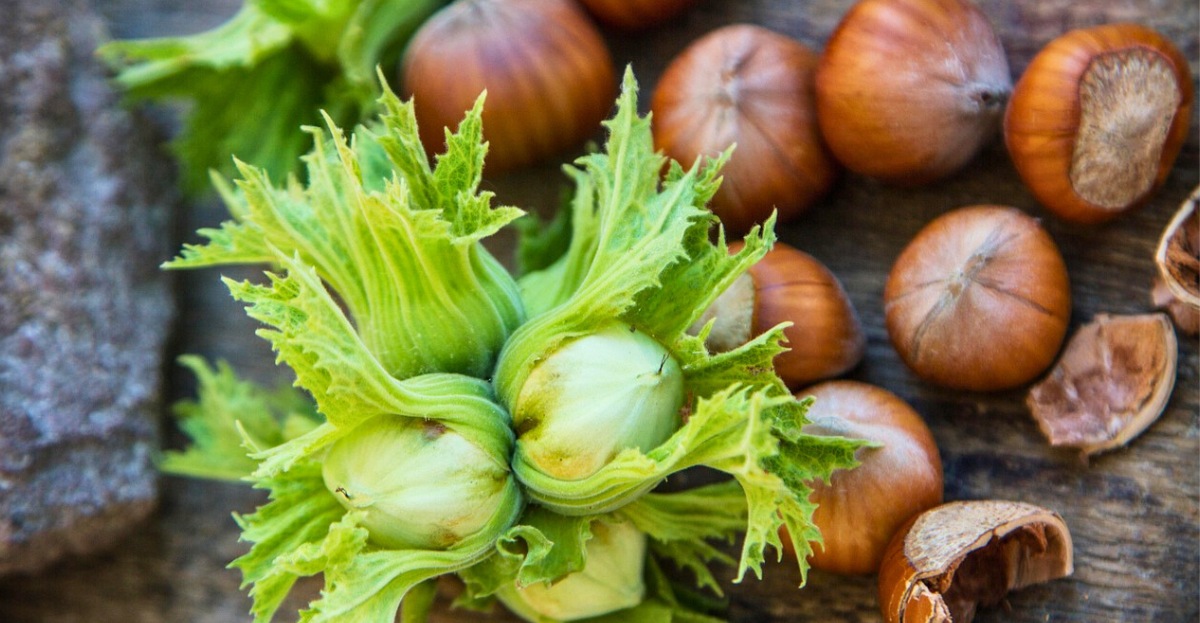
- Fall: Roots like wild carrots and some nuts are ready.
- Winter: Fewer plants are edible, but some roots remain.
Hunting And Trapping Basics
Finding food in the wild means learning how to hunt and trap animals. These skills help you catch small game for survival.
Understanding simple traps and tracking methods makes hunting easier. Using the right tools also improves your chances.
Simple Traps And Snares
Simple traps catch animals with little effort. Snares use a loop to hold the animal by the neck or leg.
Set traps near animal paths or feeding areas. Check traps often to avoid harm to the animals.
- Figure-four deadfall trap: uses a heavy object to trap animals
- Snare loop: a wire or cord loop that tightens around the animal
- Bait traps: use food to attract animals into the trap
Tracking Small Game
Look for signs like footprints, droppings, and broken branches. These clues show where animals move and feed.
Track animals by following these signs quietly. Use natural cover to stay hidden and get close.
- Footprints show direction and size of animals
- Droppings indicate recent animal activity
- Chewed plants or bark show feeding areas
- Broken twigs or disturbed leaves mark trails
Essential Tools For Hunting
Good tools make hunting easier and safer. Carry sharp knives, ropes, and sturdy traps.
Other useful items include a hunting bow, slingshot, and carrying bags for your catch.
- Knife: for cutting and preparing food
- Rope or cord: to make snares and traps
- Bow or slingshot: for silent hunting
- Camouflage clothing: to blend with the environment
- Bag or sack: to carry caught animals
Foraging Near Water Sources
Water sources like rivers, lakes, and streams are good places to find food in the wild. Many plants and animals live near water. These can provide fresh food if you know what to look for.
Foraging near water requires some care. Water may carry risks, but it also offers many food options. Learning how to find and gather food safely is important.
Finding Fish And Shellfish
Fish live in rivers, lakes, and ponds. You can catch them with simple tools like nets or traps. Look for calm water areas where fish gather. Shellfish hide under rocks or mud near the shore.
Fish and shellfish provide good protein. Be careful to follow local rules and avoid polluted water. Use small hooks, traps, or hand gathering to catch them.
- Look near rocks or fallen trees for fish hiding spots
- Check shallow water for clams, mussels, or crayfish
- Use simple fishing lines or traps made from natural materials
Gathering Aquatic Plants
Aquatic plants grow in or near water and can be eaten raw or cooked. Some common edible plants are watercress, cattails, and wild rice. Always check that the plants are safe to eat.
Collect plants from clean water areas. Avoid plants near pollution or strong chemicals. Rinse plants well before eating to remove dirt and insects.
- Pick tender leaves and shoots for better taste
- Harvest only what you need to protect the environment
- Learn to identify plants to avoid poisonous ones
Safe Water Collection Tips
Water near wild areas can carry germs and dirt. Collect water from flowing streams or springs. Avoid still or stagnant water that may contain harmful bacteria.
Boil water before drinking to kill germs. Use clean containers to store water. If boiling is not possible, use water purification tablets or filters.
- Find clear, flowing water sources
- Boil water for at least one minute before drinking
- Use cloth to filter out large particles
- Store water in clean, sealed containers

Credit: www.amazon.com
Food Safety In The Wild
Finding food in the wild is important for survival. Eating unsafe food can cause sickness. Knowing how to keep food safe helps you stay healthy.
This guide covers how to prepare food safely, avoid bad sources, and keep food without tools.
Proper Food Preparation
Always clean your hands and tools before handling food. Dirt and germs can make you sick. Cook wild food thoroughly to kill harmful bacteria.
Raw plants and meats may carry parasites or germs. Boil, roast, or grill food until it is hot inside. Avoid eating anything that looks spoiled or smells bad.
- Wash hands with clean water if possible
- Remove dirt and bugs from plants
- Cook meat until juices run clear
- Discard food with strange smells or colors
Avoiding Contaminated Sources
Look for clean water sources away from pollution. Avoid eating plants near roads or industrial areas. Some wild animals carry diseases, so avoid their droppings and nests.
Do not eat mushrooms or berries unless you are sure they are safe. Many wild plants look similar but some are poisonous. Use guides or local knowledge to identify food.
- Pick water from flowing streams, not stagnant ponds
- Stay away from areas with chemicals or waste
- Do not eat unknown mushrooms or berries
- Avoid food near animal droppings or nests
Preserving Food Without Equipment
In the wild, you may not have tools to store food. Drying food in the sun helps keep it longer. Avoid storing food in damp places where it can rot.
You can also bury food in cool soil or hang it from a tree to keep animals away. Eat preserved food quickly to reduce risk of spoilage.
- Dry meat and plants in direct sunlight
- Keep food off the ground to avoid bugs
- Bury food in cool, dry soil for short storage
- Eat stored food within a few days
:max_bytes(150000):strip_icc()/TAL-lead-forger-in-california-FORGINGTOUR0925-14542852ba454d8996bcac7c35f256e0.jpg)
Credit: www.travelandleisure.com
Frequently Asked Questions
What Are The Safest Wild Foods To Eat?
Berries, nuts, and certain plants like dandelions are generally safe. Always avoid unknown mushrooms.
How Can I Identify Edible Plants In The Wild?
Use a plant guidebook. Look for familiar plants. Avoid plants with white sap or bitter taste.
Where Can I Find Water In The Wilderness?
Look for streams, rivers, or lakes. Collect rainwater. Follow animal tracks to water sources.
How Do I Test If A Wild Plant Is Edible?
Perform an edibility test. Taste a small piece. Wait for any reactions before consuming more.
What Tools Can Help In Finding Food In The Wild?
A good knife, fishing gear, and a guidebook. Useful for hunting, fishing, and plant identification.
Conclusion
Finding food in the wild takes patience and care. Know which plants and animals are safe to eat. Always check your surroundings before you gather food. Use simple tools to help catch or prepare food. Remember, nature provides, but it also demands respect.
Stay calm and stay alert. Your survival depends on smart choices and quick thinking. Practice these skills often to feel more confident outdoors. Nature’s pantry is full, but only for those who prepare well.