

Last Updated on June 17, 2026 by Blake Turner
Imagine facing a wild animal up close — your heart races, your mind goes blank. What do you do next?
Knowing how to survive these intense moments can mean the difference between danger and safety. This guide will give you clear, easy steps to protect yourself during wild animal encounters. By the end, you’ll feel more confident and ready to handle whatever nature throws your way.
Keep reading to learn how to stay calm, act smart, and survive when wild animals cross your path.
Common Wild Animals To Watch
Wild animal encounters can be exciting but also dangerous. Knowing which animals to watch helps you stay safe.
Many wild animals live in forests, mountains, and plains. Some are predators, while others avoid humans.
Predators And Their Habitats
Predators hunt other animals for food. They live in areas with plenty of prey and cover.
Common predators include bears, wolves, mountain lions, and snakes. Each prefers different habitats.
- Bears live in forests and mountains. They like areas with berries and fish.
- Wolves roam forests and open plains. They hunt in packs.
- Mountain lions stay in rocky, forested areas. They are good climbers.
- Snakes hide in grass, rocks, and under logs. Some are venomous.
Behavior Patterns To Note
Understanding animal behavior helps avoid dangerous encounters. Watch how animals act around you.
Predators may show signs like growling, staring, or pacing. Some avoid humans if given space.
- Bears often stand on hind legs to look or smell better.
- Wolves howl to communicate with their pack.
- Mountain lions may freeze and stare before moving.
- Snakes flick their tongues to sense the environment.
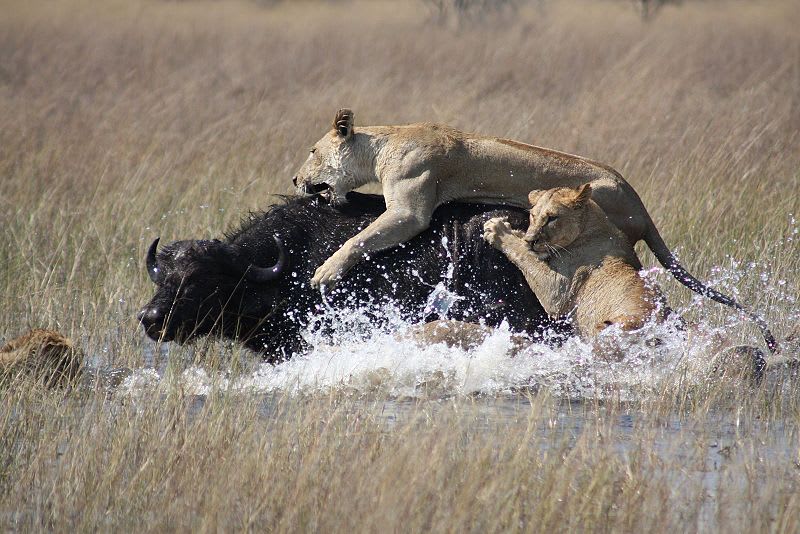
Credit: owlcation.com
Preventing Dangerous Encounters
Wild animal encounters can be risky for campers and hikers. Knowing how to avoid these dangers keeps you safe outdoors.
Preventing dangerous encounters means using smart habits and respecting wildlife space. Stay alert and prepared.
Safe Campsite Practices
Choose your campsite carefully to reduce the chance of meeting wild animals. Avoid spots near animal trails or water sources.
Keep your site clean and organized. Store food and trash away from your sleeping area to not attract animals.
- Set up tents away from dense bushes or tall grass
- Use bear-proof containers if available
- Keep a clean cooking area and clean up immediately
- Store food at least 100 yards from sleeping spots
- Make noise when moving around to alert animals
Avoiding Attractants
Animals are drawn by smells like food, trash, and toiletries. Avoid bringing strong-smelling items to your campsite.
Dispose of waste properly and never leave food scraps on the ground. Keep attractants sealed and out of reach.
- Store all food in sealed, odor-proof containers
- Use unscented soap and toiletries
- Pack out all garbage and leftover food
- Do not feed or approach wild animals
- Clean cooking gear thoroughly after use
Reacting To Animal Encounters
Wild animal encounters can be scary. Knowing how to react can keep you safe.
Stay calm and make smart choices to avoid harm during these moments.
Do’s And Don’ts During An Encounter
Do not run away from a wild animal. Running may make it chase you.
Do stay still or slowly back away without turning your back. Make yourself look bigger.
- Do keep eye contact without staring aggressively.
- Do speak softly to calm the animal if possible.
- Don’t scream or make loud noises that may scare the animal.
- Don’t try to feed or touch the animal.
- Don’t turn your back or run suddenly.
Using Defensive Tools
Carry defensive tools like bear spray or a whistle when in the wild. They help protect you.
Use tools only if the animal comes too close and shows aggression.
- Bear spray can stop an attacking animal from a safe distance.
- A whistle can alert others and scare animals away.
- Noise makers may help if the animal is curious but not aggressive.
- Do not use tools to hurt animals unless you are in danger.

Credit: www.youtube.com
Preparing For Emergencies
Wild animal encounters can be dangerous. Being ready helps you stay safe.
Know what to do before you face an emergency. This can save your life.
First Aid Essentials
Carry a first aid kit when you go into wild areas. It helps treat injuries fast.
Include items that treat bites, scratches, and stings. Learn how to use them.
- Bandages and gauze pads
- Antiseptic wipes and ointment
- Elastic bandage for sprains
- Tweezers for removing splinters or ticks
- Pain relievers like ibuprofen
- Allergy medication or an epinephrine injector
- Gloves to avoid infections
Communication And Rescue Tips
Tell someone your plans before entering wild areas. Share your route and return time.
Carry a whistle or signal mirror to attract help if you get lost or hurt.
- Use a whistle with three short blasts for help
- Carry a fully charged mobile phone or satellite device
- Stay calm and stay where you are if lost
- Make yourself visible by wearing bright clothes
- Use fire or bright lights at night to signal rescuers

Credit: www.youtube.com
Frequently Asked Questions
How To Stay Calm During A Wild Animal Encounter?
Stay calm. Avoid sudden movements. Slowly back away. Maintain eye contact. Breathe steadily to reduce panic.
What Should You Do If A Bear Approaches?
Stand still. Speak softly. Slowly wave your arms. Make yourself look bigger. Avoid direct eye contact.
How To Avoid Snake Bites In The Wild?
Watch your step. Stay on clear paths. Avoid tall grass. Wear boots. Use a stick to probe ahead.
What Is The Safest Way To Escape A Wild Animal?
Move slowly. Do not run. Back away while facing the animal. Look for safe cover.
How Can You Tell If An Animal Is Dangerous?
Look for aggressive behavior. Raised fur. Baring teeth. Loud noises. Sudden movements. Keep your distance.
Conclusion
Wild animal encounters can be dangerous but also teach us respect. Stay calm and know your surroundings well. Keep distance and avoid sudden moves to stay safe. Carry basic tools like whistles or sprays for protection. Always tell someone your plans before going into wild areas.
Learning simple survival tips can save your life. Stay alert, act wisely, and enjoy nature carefully. Safety comes first in every adventure outdoors.