

Last Updated on June 17, 2026
Imagine you’re deep in the wild, far from help, and suddenly things go wrong. You might feel scared or unsure of what to do next.
But what if you had the knowledge to stay calm and take the right steps to keep yourself safe? This guide on surviving a wilderness emergency is made just for you. It will show you simple but powerful tips to protect yourself when every second counts.
Keep reading, because the skills you learn here could make all the difference between danger and safety.
Credit: www.redcross.ca
Preparing For The Unexpected
Wilderness emergencies can happen to anyone. Being ready helps you stay safe and calm.
Preparation means having the right tools and skills. It improves your chance to survive.
Packing Essential Gear
Packing the right gear is key for any trip into the wild. Carry items that help with shelter, water, and fire.
Keep your pack light but include tools that can save your life in an emergency.
- Water bottle and purification tablets
- Fire starter kit or waterproof matches
- Knife or multi-tool
- First aid kit
- Emergency blanket or tarp
- Whistle for signaling
- Map and compass
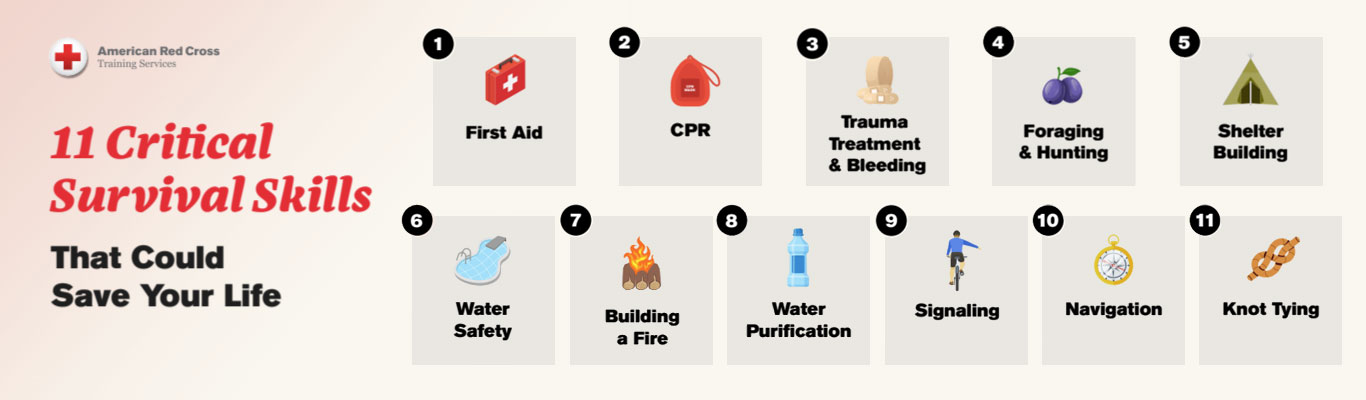
Learning Basic Survival Skills
Knowing survival skills helps you handle emergencies better. Practice simple tasks before your trip.
Skills like making fire, finding water, and building shelter keep you safe in the wild.
- How to start a fire using different methods
- Finding and purifying water
- Building a simple shelter
- Basic first aid knowledge
- Using a map and compass for navigation
Credit: www.redcross.org
Finding Shelter And Staying Warm
Surviving a wilderness emergency means finding shelter and staying warm. These are key to protecting your body from cold and weather.
Good shelter keeps you safe from wind, rain, and cold. It helps you save energy and stay alive longer.
Choosing The Right Location
Pick a shelter spot that is safe from dangers like falling branches and floods. Avoid low areas where water can collect.
Look for places that block wind and get sunlight. Trees and large rocks can protect you from cold winds.
- Stay away from animal paths and insect nests
- Avoid spots near cliffs or unstable ground
- Choose a flat area that drains water well
- Find a location with natural windbreaks
Building Effective Shelters
Use natural materials like branches, leaves, and bark to build your shelter. Make it tight to keep out wind and rain.
Build a shelter that fits your body size. Small shelters hold heat better and keep you warmer.
- Start with a strong frame using sturdy branches
- Cover the frame with leaves, pine needles, or bark
- Add extra insulation inside with dry grass or leaves
- Make a small entrance to keep heat inside
Securing Water And Food
In a wilderness emergency, finding clean water and enough food is critical. Staying hydrated and nourished helps keep your strength.
Knowing how to locate safe water and find edible plants or animals can save your life. Learn simple skills to survive outdoors.
Locating Safe Water Sources
Water is the most important resource in an emergency. Look for clear streams, rivers, and springs. Avoid stagnant water, which may contain germs.
Collect rainwater if possible. Use containers or leaves to catch it. Boil water before drinking to kill harmful bacteria.
- Check near animal trails for water sources
- Look for green plants; they often grow near water
- Use a cloth to filter dirt before boiling water
- Solar stills can help collect moisture from soil
Foraging And Hunting Basics
Finding food in the wild requires knowledge of edible plants and safe hunting practices. Only eat plants you can clearly identify as safe.
Look for berries, nuts, and roots that are not poisonous. Use simple traps or fishing techniques to catch small animals or fish.
- Learn to recognize common edible plants and avoid toxic ones
- Gather fruits and nuts that are fresh and clean
- Set traps using natural materials for small animals
- Use sharpened sticks or fishing lines to catch fish
Signaling For Rescue
In a wilderness emergency, signaling for rescue is very important. It helps rescuers find you faster. Knowing how to signal can save your life.
There are many ways to get attention. The two main types are visual and audible signals. Each works best in different situations.
Using Visual Signals
Visual signals use light, color, or movement to catch attention. You can use anything bright or shiny to stand out.
Some common visual signals include using mirrors, bright cloth, or fire. Make sure your signals are clear and easy to see.
- Use a mirror to reflect sunlight toward rescuers
- Wave bright clothing or fabric in open areas
- Create large ground symbols with rocks or logs
- Light a smoky fire during the day for visibility
- Light a bright fire at night to attract attention
Creating Audible Alerts
Audible alerts use sound to signal rescuers. Loud noises can be heard from far away, even if you cannot be seen.
You can use your voice, whistles, or other noise makers. Repeat signals in a pattern so they stand out.
- Shout for help in short bursts, then pause
- Use a whistle with three short blasts repeatedly
- Bang rocks or metal objects to make loud sounds
- Use any device that makes noise, like a horn or alarm

Credit: www.youtube.com
Frequently Asked Questions
What Are The First Steps In A Wilderness Emergency?
Stay calm. Assess your surroundings. Check for injuries. Find safe shelter. Conserve energy and resources.
How Can You Signal For Help In The Wild?
Use a whistle. Signal with a mirror. Create large ground symbols. Use bright clothing or a flashlight.
What Essential Items Should You Carry For Survival?
Pack a first-aid kit, water filter, multi-tool, fire starter, and a map. Always be prepared.
How Do You Find Clean Water In The Wilderness?
Look for streams, rivers, or lakes. Collect rainwater. Use purification tablets or boil water if possible.
What Is The Best Way To Build A Shelter?
Use branches, leaves, and natural materials. Choose a dry, flat area. Protect against wind and rain.
Conclusion
Surviving a wilderness emergency takes calm and quick action. Stay focused on shelter, water, and signaling for help. Keep your energy up and avoid risky moves. Remember, preparation helps you stay safe in tough situations. Trust your skills and stay positive.
Nature can be tough, but you can handle it. Stay alert, stay alive, and wait for rescue. Survival is about making smart choices every step.