

Last Updated on June 17, 2026
Imagine being caught in deep water and feeling panic rise. What if you had the skills to stay calm and keep yourself safe?
Survival swimming techniques are not just for swimmers—they are lifesaving skills anyone can learn. You will discover simple, effective ways to protect yourself in the water. By mastering these techniques, you can boost your confidence and be ready for any unexpected situation.
Keep reading to find out how you can turn fear into control and make sure your next swim is safer than ever.

Credit: faymca.org
Basic Survival Strokes
Survival swimming means staying safe in water during emergencies. Learning basic strokes helps you save energy and stay afloat.
These strokes focus on keeping your head above water and moving with little effort. You can survive longer by using simple techniques.
Floating And Treading Water
Floating helps you rest and breathe easily without sinking. Back float is the easiest way to stay calm in water.
Treading water keeps your body upright while you stay in one place. Use your hands and legs to push water down and keep your head up.
- Keep your body relaxed to save energy
- Use slow, steady movements
- Focus on keeping your face out of water
- Practice back float and eggbeater kick for treading
Efficient Breathing Techniques
Breathing right helps you stay calm and swim longer. Take slow, deep breaths through your mouth when your head is out of water.
Exhale gently into the water to avoid swallowing water. Timing your breaths with strokes keeps your rhythm steady.
- Lift your head just enough to breathe
- Inhale quickly through your mouth
- Exhale slowly underwater through your nose or mouth
- Practice breathing with each stroke to build comfort
Self-rescue Methods
Knowing how to save yourself in water can keep you safe. Self-rescue methods help you stay calm and float.
These skills are useful if you fall into water unexpectedly. Learning simple tricks can improve your chances of survival.
Using Clothing As A Flotation Aid
You can use your clothes to help you float in water. Remove heavy clothes like shoes or jackets that weigh you down.
Turn a shirt or pants into a float by trapping air inside. This gives you extra buoyancy and helps you stay above water.
- Take off a shirt or jacket carefully
- Trap air by puffing the garment
- Tie the ends tightly to keep air inside
- Hold or hug the makeshift float for support
Reaching And Throwing Assists
If someone is in trouble in water, use reaching or throwing aids to help. Stay safe by not going into deep water yourself.
Reach with a stick or pole to grab the person. Throw a rope, life ring, or floating object to pull them to safety.
- Look for a long stick or pole to extend your reach
- Throw a rope or life buoy to the person in water
- Pull them slowly toward the shore or boat
- Keep calm and talk to the person to encourage them
Dealing With Water Hazards
Water hazards can be dangerous during swimming. Knowing how to handle them can save your life.
Survival swimming techniques help you stay safe in rough water and avoid injury.
Handling Currents And Waves
Strong currents push swimmers away from shore. Waves can knock you off balance.
Swim parallel to the shore to escape a current. Do not swim against it.
- Stay calm and float if caught in a strong current.
- Use small, steady strokes to move out of the current.
- Face waves head-on to keep your balance.
- Keep your body relaxed to absorb the wave’s force.
Avoiding Panic And Conserving Energy
Panic makes swimming harder and wastes energy. Stay calm to survive longer.
Conserve your strength by floating on your back. Breathe slowly and deeply.
- Focus on controlled breathing to reduce panic.
- Float or tread water to keep your head above water.
- Use slow, steady movements to save energy.
- Signal for help only when you have enough energy.

Credit: www.youtube.com
Training And Practice Tips
Survival swimming requires skills beyond basic swimming. Regular training helps you stay calm and swim efficiently in tough situations.
Practice builds confidence and prepares you for unexpected water emergencies. Focus on techniques that improve endurance and simulate real-life challenges.
Building Endurance And Strength
Endurance helps you swim longer without getting tired. Strength improves your ability to move through water and stay afloat.
Include exercises that target your arms, legs, and core. Swim laps regularly and add resistance training to your routine.
- Swim continuous laps at a steady pace
- Use pull buoys to focus on arm strength
- Practice kicking drills for leg power
- Do core exercises like planks and leg raises
- Use resistance bands to build muscle
Simulating Real-life Scenarios
Practice swimming in conditions like waves, currents, or cold water. This helps you stay calm and think clearly during real emergencies.
Try training with clothes on and practice floating or treading water. These simulate situations where you cannot remove your gear.
- Swim in open water with waves or currents
- Wear light clothes to practice swimming with weight
- Practice floating on your back to conserve energy
- Simulate escaping from underwater obstacles
- Work on controlled breathing under stress
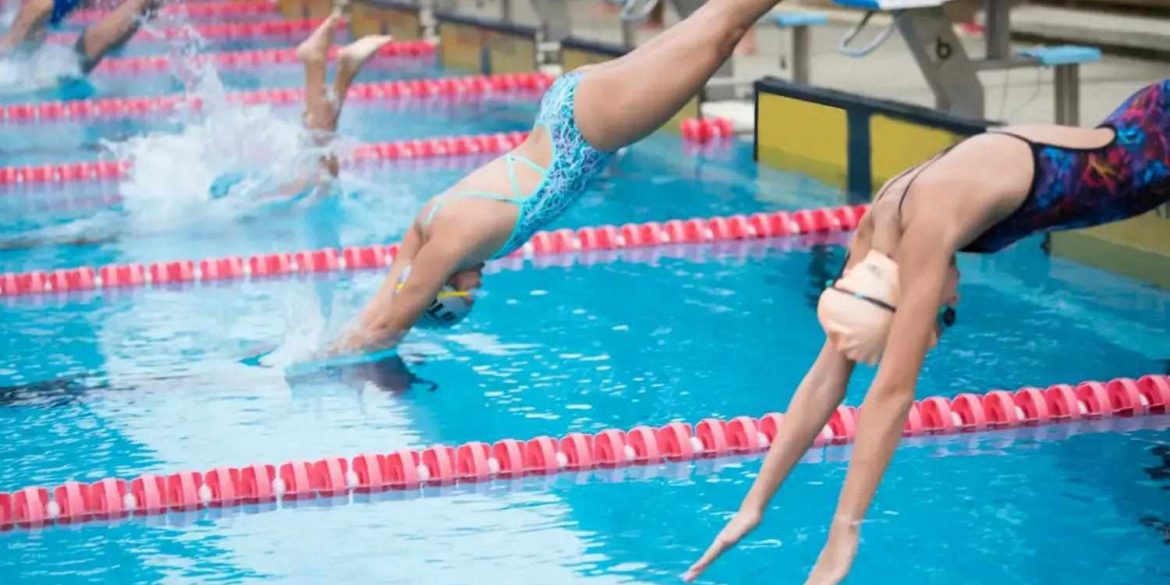
Credit: www.coachslava.com
Frequently Asked Questions
What Are Essential Survival Swimming Techniques?
Floating and treading water are crucial. Stay calm. Conserve energy. Practice these techniques regularly.
How Can I Improve My Swimming Stamina?
Swim regularly. Increase distance gradually. Focus on breathing techniques. Build endurance over time.
Why Is The Back Float Important For Survival?
It helps you rest. Conserve energy. Keep your face above water. Essential for survival.
What Should I Do If Caught In A Current?
Stay calm. Swim parallel to the shore. Don’t fight the current. Conserve energy.
How Can I Practice Survival Swimming Skills Safely?
Use a pool. Supervise children. Start in shallow water. Gradually move to deeper areas. Practice regularly.
Conclusion
Survival swimming skills can save lives in emergencies. Practice floating and controlled breathing often. Stay calm and use energy wisely in water. Knowing how to swim helps you stay safe. Regular practice builds confidence and strength. Always respect water and its power.
These simple techniques improve your chances greatly. Keep learning and stay prepared for any situation. Safety in water starts with you.