

Last Updated on June 17, 2026
When a tornado warning sounds, every second counts—and knowing the right survival techniques can make all the difference for you and your loved ones. Imagine the power of a storm swirling just outside, and how your quick actions could keep you safe.
You’ll discover simple, proven steps to protect yourself during a tornado. Don’t wait until it’s too late—read on to learn how to stay calm, act fast, and increase your chances of survival when the winds turn deadly. Your safety starts with what you know today.
Preparing Before A Tornado
Tornadoes can happen quickly and cause serious damage. Preparing before a tornado can save lives and reduce injuries.
Knowing what to do and having the right supplies ready helps keep you and your family safe during a storm.
Creating An Emergency Kit
An emergency kit has all the items you need to stay safe for several days. It is important to keep it ready and easy to find.
Your kit should include food, water, and tools to help during and after a tornado.
- Bottled water for at least three days
- Non-perishable food items
- Flashlight with extra batteries
- First aid kit
- Battery-powered or hand-crank radio
- Important documents in a waterproof bag
- Personal hygiene items
- Extra clothing and blankets
- Whistle to signal for help
Designing A Family Safety Plan
Talk with your family about what to do if a tornado happens. Make sure everyone knows the plan.
Practice the plan so each person feels confident and ready.
- Choose a safe meeting place after the storm
- Assign roles for each family member
- Know how to get weather alerts
- Plan how to communicate if phones do not work
- Teach children how to stay calm and follow instructions
Identifying Safe Shelter Areas
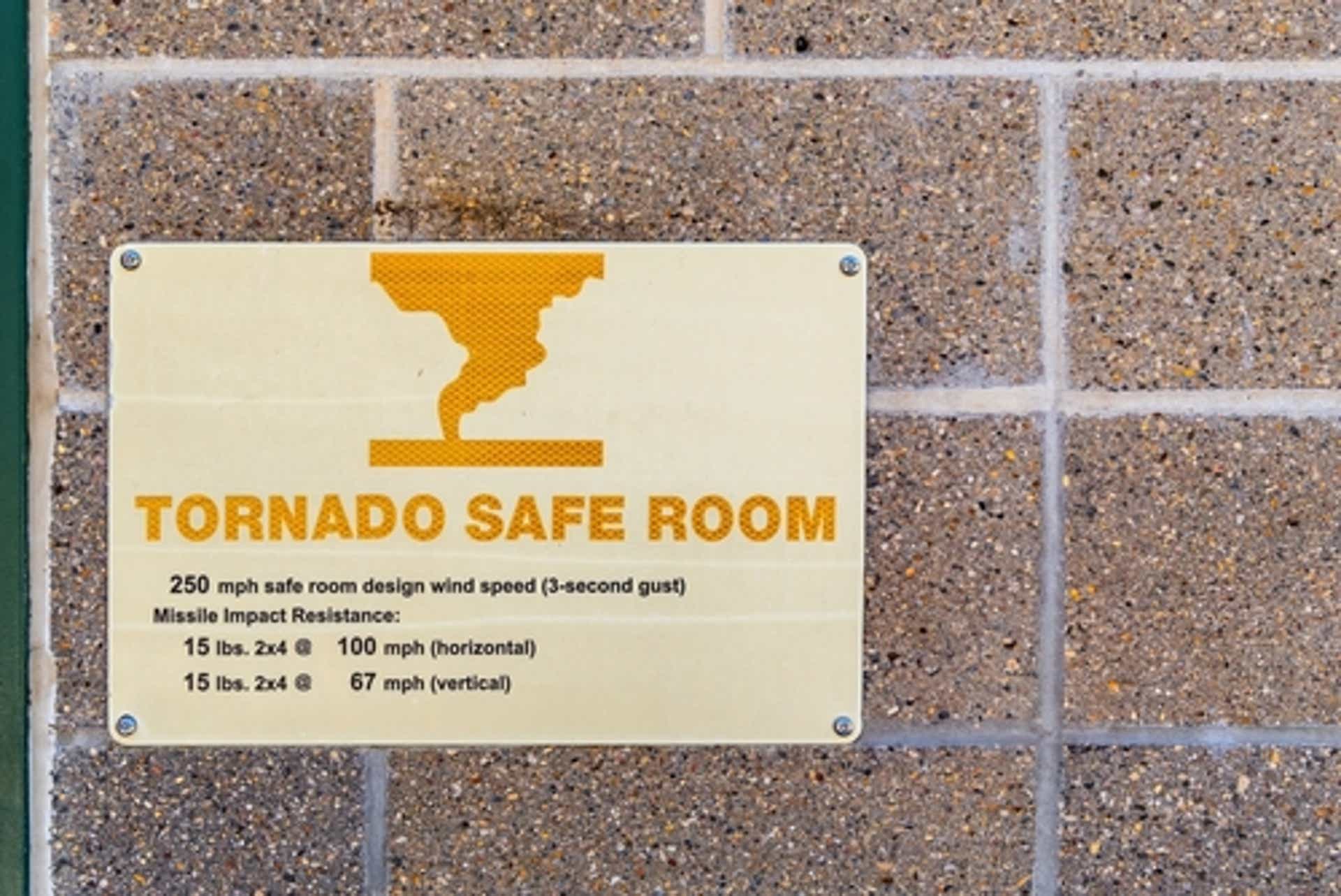
Find the safest place in your home or building to shelter during a tornado. This place should protect you from flying debris.
Basements or small interior rooms without windows are usually the safest spots.
- Basement or storm cellar if available
- Interior bathroom, closet, or hallway on the lowest floor
- Avoid windows, doors, and outside walls
- Cover yourself with a mattress or heavy blankets
- Have a helmet or sturdy head protection ready
Credit: www.carolynsrvlife.com
Recognizing Tornado Signs
Tornadoes can form quickly and cause serious damage. Knowing the signs helps you stay safe.
Watch for weather changes and listen carefully to warnings. These clues tell you a tornado may be near.
Weather Alerts To Watch For
Weather alerts warn you about possible tornadoes. They come from weather services and local authorities.
Pay attention to these alerts on your phone, TV, or radio. They tell you when to take cover immediately.
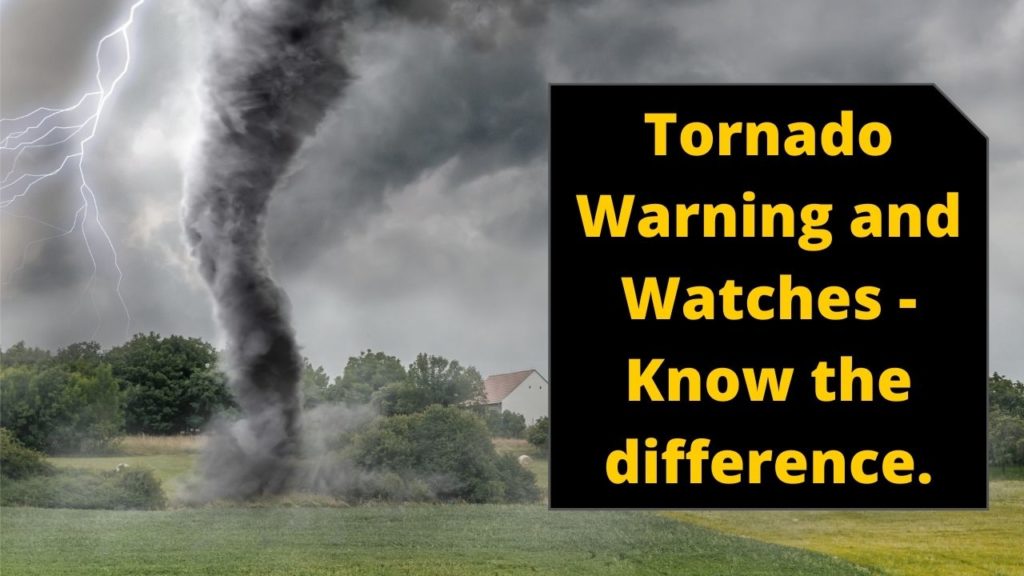
- Tornado Watch: Conditions may cause tornadoes soon.
- Tornado Warning: Tornado spotted or detected nearby.
- Severe Thunderstorm Warning: Storms that can produce tornadoes.
Visual And Auditory Indicators
Look for dark, greenish sky or large hail during storms. These signs often come before a tornado.
Listen for a loud roar, like a freight train. This noise means a tornado might be close.
- Dark, often greenish, sky
- Large, fast-moving clouds
- Wall cloud or funnel cloud forming
- Strong, sudden wind changes
- Loud, continuous roar or rumble
Taking Action During A Tornado
Tornados can happen quickly and cause great damage. Knowing what to do can save your life.
Stay calm and act fast to protect yourself and those around you during a tornado.
Finding Immediate Shelter
Look for a safe place as soon as you hear a tornado warning. The best shelter is a small, windowless room.
Basements or interior rooms on the lowest floor work well. Avoid large open areas or glass windows.
- Go to a basement if you have one
- Use an interior bathroom or closet
- Avoid rooms with windows
- Cover yourself with a mattress or heavy blankets
Protecting Yourself From Debris
Flying debris is the main cause of injuries during a tornado. Protect your head and body from objects.
Use anything sturdy to shield yourself. Wear a helmet if possible, or cover your head with your hands.
- Use a mattress, heavy blankets, or pillows
- Wear sturdy shoes to protect your feet
- Protect your head with your arms or a helmet
- Stay low to the ground and cover your body
Helping Others Stay Safe
Check on family members, neighbors, and friends. Help children, elderly, and disabled people find shelter.
Keep calm and give clear instructions. Stay together until the tornado passes and it is safe to leave.
- Assist those who need help moving quickly
- Share protective items like helmets or blankets
- Keep everyone calm and quiet
- Wait for official notice before leaving shelter
Credit: www.servpro.com
Recovering After A Tornado
After a tornado, recovery can feel hard and overwhelming. It is important to stay calm and take safe steps.
Knowing how to handle damage and dangers helps you and your family stay safe. This guide shows what to do next.
Assessing Damage Safely
Before checking your home, wait until officials say it is safe. Watch out for broken glass and sharp objects.
Wear thick gloves, sturdy shoes, and a mask. Look for hazards like downed power lines and gas leaks.
- Do not enter buildings with structural damage
- Check your surroundings for fallen trees or wires
- Use a flashlight if it is dark
- Keep children and pets away from dangerous areas
Accessing Emergency Services
Call emergency services if you or someone else is hurt. Use your phone only for urgent calls to keep lines open.
Tell responders your exact location and the type of help needed. Follow their instructions carefully for your safety.
- Dial 911 for medical help or fires
- Contact local shelters for housing and supplies
- Report gas leaks or electrical hazards
- Listen to news updates for emergency alerts
Preventing Further Risks
Keep clear of unstable structures and downed power lines. Do not light matches or use candles near gas smells.
Store food and water safely. Clean up debris carefully to avoid injury or illness.
- Turn off electricity and gas if you smell leaks
- Use bottled water until local supply is safe
- Wear protective clothing during cleanup
- Dispose of spoiled food and trash quickly

Credit: www.lonestarsaferooms.com
Frequently Asked Questions
What Are The First Steps During A Tornado Warning?
Seek shelter immediately. Go to a basement or a small, windowless room. Stay informed through radio or alerts.
How Can I Prepare My Home For A Tornado?
Secure heavy furniture and remove outdoor items. Install storm shutters on windows for added protection.
What Essentials Should Be In A Tornado Emergency Kit?
Include water, non-perishable food, flashlight, batteries, and a first-aid kit. Don’t forget important documents.
How Do I Stay Safe Outdoors During A Tornado?
Find low ground or a ditch. Protect your head and neck. Stay away from trees and cars.
What Should I Do After A Tornado Passes?
Check for injuries and damage. Avoid downed power lines and report hazards. Listen for official updates.
Conclusion
Tornadoes strike fast and without warning. Staying calm helps you act quickly. Know your safe spots at home or work. Keep emergency supplies ready and easy to reach. Listen to weather updates and alerts. Protect yourself by covering your head and neck.
Practice your tornado plan with family or friends. Being prepared saves lives and reduces fear. Remember, safety depends on quick and smart actions. Stay alert, stay safe, and always respect nature’s power.