

Last Updated on June 17, 2026 by Blake Turner
Imagine being stranded after a shipwreck, surrounded by endless water and uncertainty. What would you do to stay alive?
Knowing the right survival strategies can mean the difference between rescue and disaster. You’ll discover simple yet powerful steps to keep yourself safe, find help, and increase your chances of survival. Keep reading—your life might one day depend on what you learn here.
Preparing Before The Voyage
Preparing well before a sea trip can save lives in case of a shipwreck. Planning and safety checks reduce risks during emergencies.
Knowing what to bring and how to act helps you stay calm and safe if trouble happens on the water.
Essential Safety Gear
Safety gear keeps you protected in an emergency. Carrying the right items is very important before sailing.
Life jackets, flares, and first aid kits are examples of essential gear everyone should have on board.
- Life jackets for all passengers
- Flares or signal lights
- First aid kit with supplies
- Emergency food and water
- Whistle or air horn for signaling
- Fire extinguisher
Emergency Drills
Practicing emergency drills helps everyone know what to do if a shipwreck occurs. It reduces panic and confusion.
Drills should include how to put on life jackets, find safety equipment, and move to safe areas quickly.
- Put on life jackets properly
- Locate emergency exits
- Practice abandoning ship safely
- Use safety ropes and ladders
- Follow captain’s instructions
Communication Devices
Having good communication devices is key to calling for help. They connect you with rescue teams fast.
Carry radios, satellite phones, or emergency beacons. Check batteries and signal range before departure.
- Marine VHF radio for short-range communication
- Satellite phone for remote areas
- Personal locator beacon (PLB)
- Extra batteries and chargers
- Waterproof cases for devices
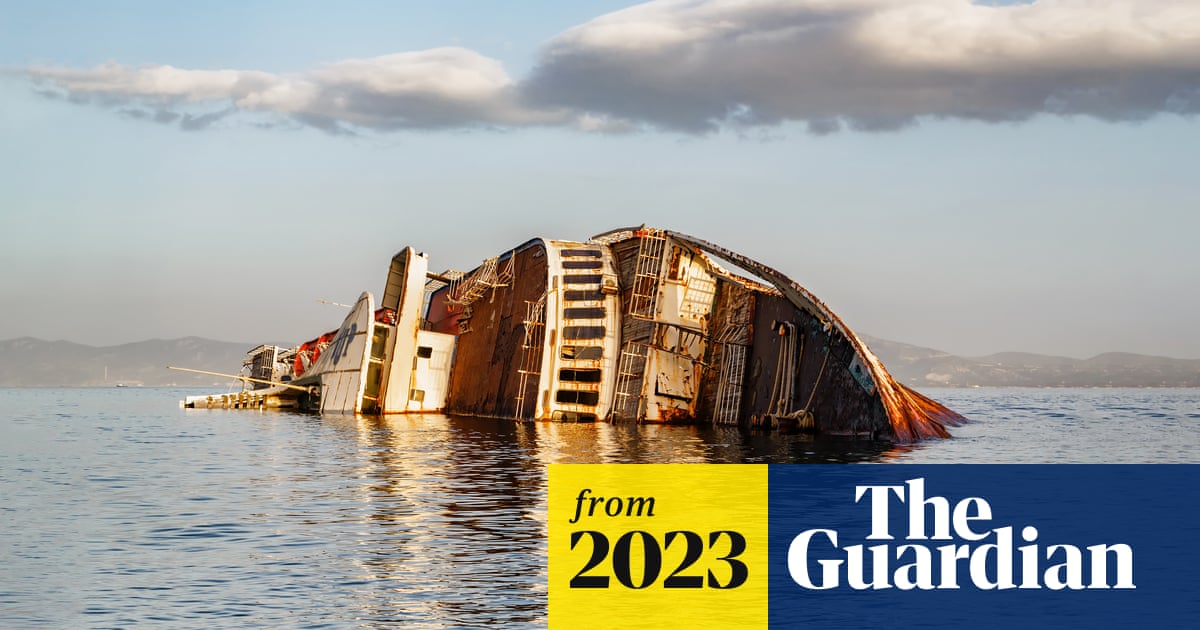
Credit: www.theguardian.com
Immediate Actions After A Shipwreck
Surviving a shipwreck depends on what you do right after it happens. Acting fast can save your life and the lives of others. Knowing the right steps helps you stay calm and safe.
This guide explains what to do immediately after a shipwreck. Focus on assessing the situation, finding life jackets and rafts, and signaling for help.
Assessing The Situation
Check your surroundings quickly to understand the dangers. Look for injured people and floating debris. Stay calm and think clearly to decide your next move.
Try to find a safe place away from strong waves and sharp objects. Count how many people are with you and check if anyone needs help.
Locating Life Jackets And Rafts
Find life jackets immediately and put them on. They keep you afloat and make it easier to survive in the water. If you see rafts or flotation devices, get to them quickly.
Keep calm while moving to the rafts. Help others who need assistance putting on life jackets or boarding rafts.
- Look near the ship’s deck or safety stations
- Grab life jackets for yourself and others
- Board rafts slowly to avoid tipping
- Stay close to the raft once in the water
Signaling For Help
Use anything bright or shiny to catch attention. Wave arms or use a whistle if you have one. If you find flares or signaling devices, use them carefully.
Try to make noise and stay visible to rescuers. Keep signaling until help arrives. Stay hopeful and keep your energy for survival.
- Wave brightly colored objects
- Use whistles or horns if available
- Light flares or use mirrors to reflect sunlight
- Call out loudly for help
Survival Techniques At Sea
Surviving at sea after a shipwreck is very hard. You must use smart techniques to stay alive.
Knowing how to find water, shelter, and keep warm can save your life in the ocean.
Finding Fresh Water
Fresh water is the most important need when lost at sea. Drinking salt water can harm your body.
Look for rainwater or collect moisture. Use any container to catch rain or dew.
- Collect rainwater using tarps or clothes
- Catch dew by wiping leaves or surfaces
- Use solar stills if you have plastic sheets
- Do not drink seawater, it causes dehydration
Shelter And Protection
A shelter protects you from sun, wind, and rain. It helps you stay safe and rest better.
Use parts of the shipwreck or debris to build a small shelter. Find shade to avoid sunburn.
- Use tarps, sails, or wood for shelter walls
- Create a roof to keep rain away
- Build shelter on high ground or dry areas
- Keep shelter open for ventilation but protected
Maintaining Body Temperature
Keeping your body warm is key to survival. Cold causes your energy to drop fast.
Stay dry and cover yourself with clothes or materials. Use body heat by staying close to others.
- Wear layers of clothing to trap heat
- Avoid getting wet from water or rain
- Use blankets or dry leaves for insulation
- Share warmth by huddling together if possible
Credit: ftp.spaceneedle.com
Mental Resilience And Teamwork
Shipwreck survival is not just about physical strength. Mental resilience helps you face fear and pain.
Teamwork brings survivors together. Working as a group improves chances of rescue and safety.
Staying Calm Under Pressure
Staying calm helps you think clearly. Panic can cause mistakes and waste energy.
Breathing slowly and focusing on small tasks reduces fear. Calm minds find solutions faster.
- Breathe deeply to slow your heart rate
- Focus on one task at a time
- Avoid negative thoughts
- Use positive self-talk
Cooperating With Survivors
Working together helps share the load. Each person can use their skills to help the group.
Good teamwork means listening and supporting each other. Cooperation builds trust and strength.
- Assign roles based on skills
- Share food and water fairly
- Help injured or weak members
- Keep communication open and clear
Keeping Hope Alive
Hope gives survivors a reason to keep going. It fuels energy and courage in hard times.
Talk about rescue plans and future goals. Celebrate small wins to boost morale.
- Set daily goals for the group
- Share stories and memories
- Encourage each other regularly
- Visualize rescue and safety

Credit: www.amazon.com
Frequently Asked Questions
What Are The First Steps To Take After A Shipwreck?
Stay calm, find floating debris, and signal for help immediately.
How Can You Find Fresh Water After A Shipwreck?
Collect rainwater or use condensation methods to get drinkable water.
What Are The Best Ways To Stay Warm At Sea?
Use clothing layers, find shelter, and minimize exposure to wind and water.
How Do You Signal Rescuers When Stranded At Sea?
Use mirrors, bright colors, or create large signs visible from the air.
What Foods Are Safe To Eat After A Shipwreck?
Eat fish, seaweed, or edible plants, avoiding unknown or toxic items.
Conclusion
Surviving a shipwreck takes quick thinking and calm actions. Always stay close to the wreck if safe. Use available resources wisely to stay warm and hydrated. Signal for help using any means possible. Remember, staying hopeful and alert can save your life.
Practice basic survival skills before any sea trip. These simple steps increase your chances of rescue and safety. Stay prepared and stay alive.