

Last Updated on June 17, 2026
Imagine facing the unexpected—a plane crash. It’s a terrifying thought, but knowing what to do can make all the difference between life and death.
You might think it won’t happen to you, but preparing yourself with the right knowledge can save your life and those around you. You’ll discover simple, practical steps to increase your chances of survival if the worst ever occurs. Keep reading, because your safety might depend on what you learn here.

Credit: www.youtube.com
Before The Flight
Flying is usually safe, but accidents can happen. Preparing before your flight can help you survive a crash.
Knowing what to do and what to bring can increase your chances of staying safe and calm during an emergency.
Choosing The Right Seat
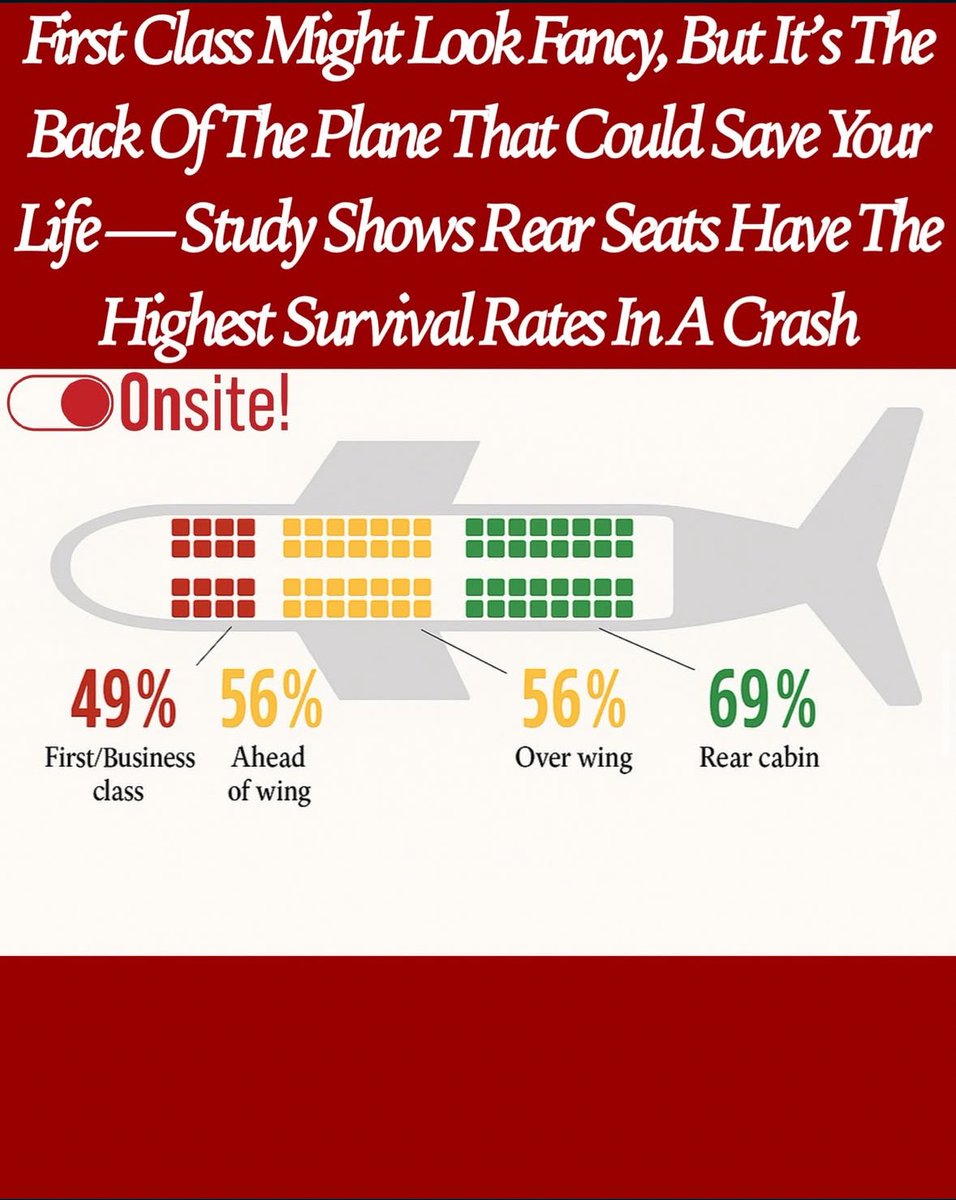
Some seats offer better chances of survival in a crash. Choose a seat near the emergency exits or at the back of the plane.
Seats near the wings also provide extra safety because the plane structure is stronger there.
- Aisle seats allow quick access to exits.
- Rear seats often have higher survival rates.
- Avoid seats near the front if possible.
Packing Survival Gear
Carry small survival items in your carry-on bag. These tools can help you after a crash or during evacuation.
Include items that are light and easy to use in emergencies.
- Flashlight with extra batteries
- Whistle to signal for help
- Water purification tablets
- Compact first aid kit
- Multi-tool knife
Knowing Emergency Exits
Learn the location of all emergency exits on the plane. This knowledge speeds up evacuation in a crash.
Count the rows between your seat and the nearest exit. This helps you find the exit even if visibility is low.
- Look for exit signs when you board
- Read the safety card carefully
- Listen to the safety briefing from the crew
- Remember two exits in case one is blocked
During The Crash
Surviving a plane crash starts the moment the plane begins to fall. Your actions during this time can save your life. It is important to know what to do and how to protect yourself.
Stay focused and follow safety rules. Preparing your body and mind helps reduce injuries and improve chances of survival.
Brace Positions
Brace positions protect your head, neck, and body from impact. They reduce the chance of serious injuries during a crash. Listen to the flight crew for instructions on how to brace.
Common brace positions include bending forward and placing your head on your knees or against the seat in front of you. Keep your hands over your head or on your lap to protect your face and head.
- Lean forward with your head down
- Place your hands on your head or neck
- Keep your feet flat on the floor
- Secure your seatbelt tightly
Protecting Yourself
Use all safety equipment available. Keep your seatbelt fastened and tight. Protect your head and chest from flying objects or debris.
Cover your mouth and nose with a cloth if there is smoke. Stay away from windows to avoid glass injuries. Brace yourself for sudden movements.
- Wear your seatbelt at all times
- Use your arms to shield your head
- Cover your mouth and nose if needed
- Avoid looking at windows directly
Staying Calm
Keeping calm helps you think clearly and act quickly. Panic can cause mistakes and slow your reaction. Take deep breaths and focus on what you need to do.
Listen to crew instructions and stay aware of your surroundings. Calmness can help you protect yourself and others during the crash.
- Take slow, deep breaths
- Focus on following safety rules
- Ignore distractions and noise
- Help others if you can safely do so
After Impact
After a plane crash, your actions can save your life. Staying calm helps you think clearly. The moments after impact are critical for survival.
Focus on leaving the aircraft safely and checking yourself and others for injuries. Avoid dangers around you to stay safe.
Exiting The Aircraft
Get out of the plane as soon as you can. Stay low if there is smoke. Look for the nearest exit that is safe and clear.
Move quickly but carefully. Help others if you can without putting yourself at risk.
- Stay calm and avoid panic
- Use emergency exits or windows if needed
- Cover your nose and mouth if there is smoke
- Assist children or injured passengers
- Leave all belongings behind
Assessing Injuries
Check yourself for pain or bleeding. Look at others nearby to see if they need help. Do not move seriously injured people unless there is danger.
Stop any heavy bleeding with pressure. Keep injured people still and calm until help arrives.
- Look for cuts, broken bones, and bleeding
- Apply pressure to stop bleeding
- Keep injured people warm and still
- Do not move anyone with neck or back pain
- Call for help if possible
Avoiding Hazards
Be aware of fire, smoke, and fuel leaks. Stay away from damaged parts of the plane. Watch for sharp objects and unstable debris.
Find a safe place away from danger. Use your surroundings to protect yourself from weather and wildlife.
- Move away from fire or smoke
- Avoid fuel spills and sparks
- Watch for broken glass and metal
- Stay clear of unstable structures
- Find shelter from bad weather
Credit: x.com
Survival Strategies
Surviving a plane crash needs quick thinking and calm actions. You must use smart strategies to stay alive until help arrives.
Knowing what to do about shelter, food, water, and signaling can save your life in the wild.
Finding Shelter
After a crash, find a safe place to protect yourself from weather. Shelter keeps you warm and dry and stops injuries.
Look for natural shelters like caves, large trees, or rock overhangs. If you cannot find one, build a simple shelter from branches and leaves.
- Use parts of the plane wreckage if safe and sturdy
- Build walls to block wind and rain
- Keep your shelter small to conserve heat
- Place your shelter near water but not too close
Locating Water And Food
Water is essential to survive longer. Find clean water sources like streams, rivers, or rainwater.
If you cannot find clean water, collect rain or dew. Avoid drinking salty or dirty water to prevent sickness.
- Look for water flowing downhill or in valleys
- Use clothing to collect dew in the morning
- Eat edible plants and fruits if you know them
- Avoid eating unknown plants or insects
Signaling For Help
Signaling helps rescuers find you faster. Use tools or natural materials to make signals visible from far away.
Make noise or light fires during the day or night to attract attention. Keep signals clear and in open areas.
- Use mirrors or shiny objects to reflect sunlight
- Arrange rocks or logs in large SOS patterns
- Light smoky fires with green leaves to create thick smoke
- Use a whistle or shout in regular intervals
)
Credit: www.pulse.ng
Frequently Asked Questions
What Are The Safest Seats On A Plane?
Seats near the back are generally safer. Statistics suggest they have higher survival rates.
How Should I Brace For Impact During A Crash?
Lean forward with your head down. Place your arms over your head. Keep feet flat.
Can Wearing Certain Clothes Increase Survival Chances?
Yes. Wear long sleeves and pants. Choose natural fibers. They are less flammable.
What Should I Do Immediately After A Crash?
Stay calm. Follow crew instructions. Exit quickly. Avoid carrying belongings.
Are Plane Crashes Survivable?
Yes. Many people survive. Quick response and safety procedures increase chances.
Conclusion
Surviving a plane crash takes calm and quick action. Knowing safety tips can save your life. Stay alert and follow crew instructions carefully. Carry essential items like a flashlight and water. Practice breathing slowly to reduce panic. Remember, your mindset matters a lot.
Stay hopeful and focused on staying safe. Preparation and knowledge increase your chance to survive. Stay strong and trust your instincts. Safety always comes first in any emergency.