

Last Updated on June 17, 2026
Imagine facing a sudden emergency without any plan—how would you keep yourself and your loved ones safe? Emergency preparedness isn’t just about having supplies; it’s about taking control when every second counts.
By understanding its importance, you can reduce fear, avoid chaos, and protect what matters most. Keep reading to discover simple steps you can take right now to be ready for the unexpected. Your safety depends on it.
Risks And Threats
Emergency preparedness helps people stay safe during unexpected events. Knowing the risks and threats is very important.
Different emergencies can cause harm to people and property. Being ready can reduce damage and save lives.
Natural Disasters
Natural disasters include events like earthquakes, floods, hurricanes, and wildfires. They can happen without warning.
These disasters can destroy homes, block roads, and cut off power. They often force people to leave their homes quickly.
- Earthquakes shake buildings and cause damage
- Floods can drown areas and ruin property
- Hurricanes bring strong winds and heavy rain
- Wildfires spread fast and burn large areas
Human-made Emergencies
Human-made emergencies happen because of people. These include accidents, fires, and acts of violence.
These emergencies can cause injuries and disrupt daily life. They may happen in homes, workplaces, or public places.
- Fires can spread quickly and cause burns
- Chemical spills can poison air and water
- Power outages stop essential services
- Violence threatens personal safety
Health Crises
Health crises include outbreaks of diseases and pandemics. They can make many people sick at once.
These crises can overwhelm hospitals and slow down communities. Preparing helps control the spread and protect health.
- Flu outbreaks spread quickly in groups
- Pandemics affect many countries worldwide
- Lack of clean water causes illness
- Food contamination leads to poisoning
Credit: vermont211.org
Creating A Safety Plan
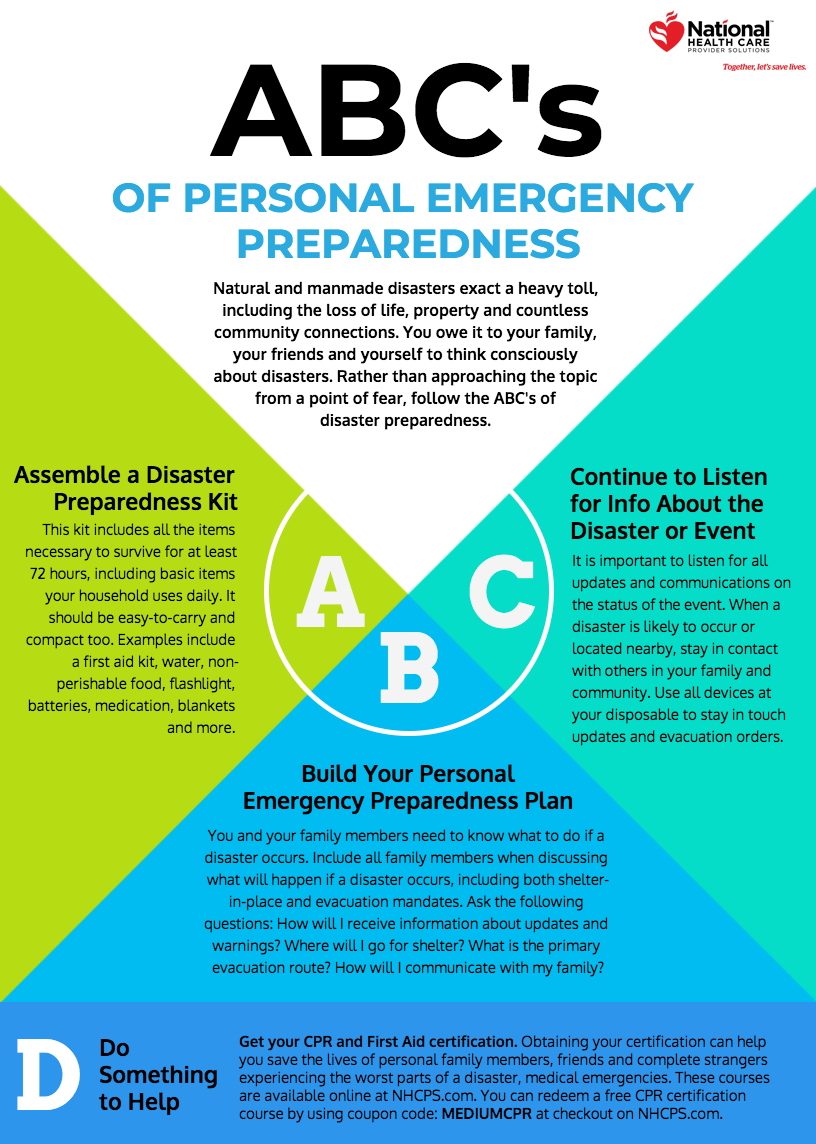
Preparing for emergencies is very important. A safety plan helps keep everyone safe during a crisis.
This plan should be clear and easy to follow for all family members.
Family Communication
Good communication is key in an emergency. Your family should know how to reach each other quickly.
Decide on a meeting place and a way to share information during a crisis.
- Choose a safe meeting spot outside your home
- Agree on a phone or messaging app to stay in touch
- Practice your communication plan regularly
Evacuation Routes
Know the best ways to leave your home quickly. Plan more than one route in case one is blocked.
Make sure everyone in your family understands these routes well.
- Identify main and backup exit paths from your home
- Practice walking or driving these routes
- Keep important items ready to take during evacuation
Emergency Contacts
Keep a list of important phone numbers. This helps you get help fast when needed.
Include local emergency services and family members outside your area.
- Police, fire department, and medical emergency numbers
- Neighbors or nearby friends you trust
- Relatives who live far away
Essential Emergency Supplies
Being ready for an emergency can save lives. Having the right supplies helps you stay safe and comfortable.
Gathering essential items before a disaster strikes is very important. It allows quick response and reduces stress.
Food And Water
Food and water are the most basic needs in an emergency. You need enough to last for several days.
Choose non-perishable foods that do not need refrigeration. Water should be clean and stored safely.
- Pack canned goods, dry snacks, and energy bars
- Store at least one gallon of water per person daily
- Keep water purification tablets or filters handy
First Aid Kits
First aid kits help treat minor injuries quickly. They reduce the risk of infection and complications.
A good kit contains bandages, antiseptics, and basic medicines. Check and replace expired items often.
- Include adhesive bandages, gauze pads, and tape
- Add antiseptic wipes, antibiotic ointment, and pain relievers
- Keep scissors, tweezers, and disposable gloves
Tools And Equipment
Tools and equipment help you manage emergencies and repair damage. They make tasks easier and safer.
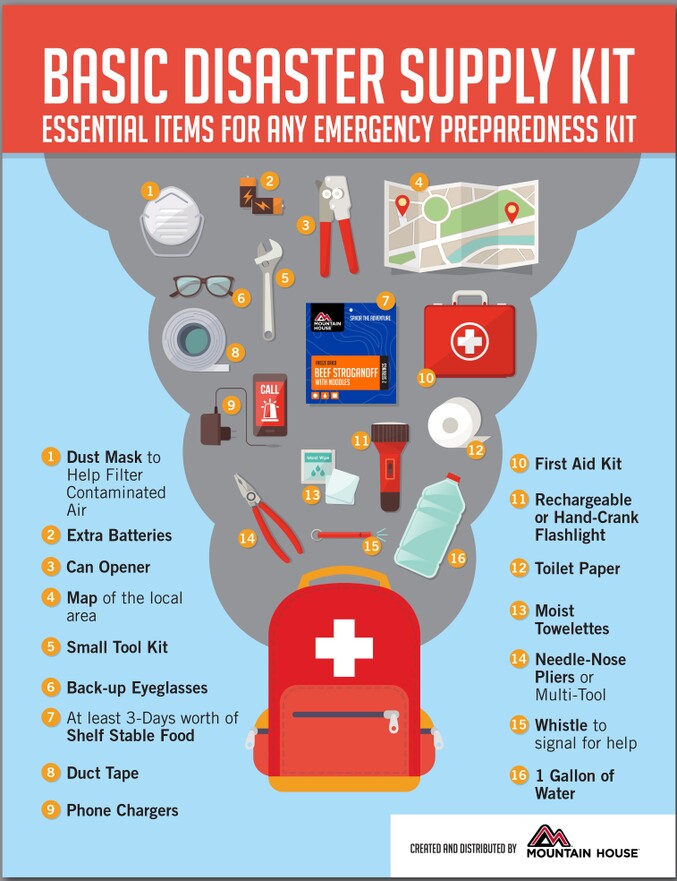
Keep items like flashlights and batteries ready. Choose multi-use tools to save space.
- Flashlights and extra batteries for light
- Multi-tool or pocket knife for various tasks
- Manual can opener for canned food
- Whistle to signal for help
- Battery-powered or hand-crank radio for updates
Credit: medium.com
Training And Practice
Emergency preparedness saves lives. Training helps people know what to do. Practice builds confidence and skills.
Regular practice makes responses faster and safer. It lowers panic and confusion during real emergencies.
First Aid Skills
Knowing first aid can help injured people before help arrives. It can reduce injury severity and save lives.
Training includes CPR, wound care, and treating burns. Practice keeps these skills fresh and ready to use.
- CPR for heart emergencies
- Stopping bleeding
- Handling fractures
- Helping choking victims
Drills And Simulations
Drills help people practice their emergency plans. Simulations create realistic scenarios for training.
These activities show what works and what needs improvement. They prepare people to act calmly and correctly.
- Fire evacuation drills
- Earthquake safety exercises
- Active shooter response practice
- Medical emergency simulations
Community Resources
Communities offer training and support for emergencies. Knowing available resources helps people prepare better.
Local groups may provide classes, equipment, and help during disasters. Joining these groups improves readiness.
- Red Cross first aid courses
- Community emergency response teams
- Local fire and police training sessions
- Disaster supply centers

Credit: www.tunstallhealthcare.com.au
Frequently Asked Questions
Why Is Emergency Preparedness Important?
It saves lives. Being prepared helps reduce panic and confusion. Quick action during emergencies can prevent injuries.
What Are The Basics Of Emergency Preparedness?
Have a plan. Store water, food, and first aid. Know local emergency contacts and escape routes.
How Does Emergency Preparedness Benefit Families?
It ensures safety. Helps families stay together and communicate. Minimizes stress during crises.
What Should Be In An Emergency Kit?
Include water, food, flashlight, batteries, and first aid supplies. Don’t forget important documents and medications.
How Often Should Emergency Plans Be Updated?
Review yearly. Update after major life changes or local disasters. Practice drills regularly for better readiness.
Conclusion
Emergency preparedness saves lives and reduces risks. It helps families stay safe during disasters. Planning ahead means knowing what to do quickly. Supplies like water, food, and first aid are essential. Practice your plan often to stay ready. Communities grow stronger when everyone prepares together.
Small steps today can prevent big problems tomorrow. Stay aware, stay ready, and protect those you love. Emergency preparedness is not a choice; it is a smart habit.