

Last Updated on June 17, 2026
Imagine finding yourself in the wild, miles away from help, with only your wits and the skills you’ve mastered. Would you know how to catch food or set traps to survive?
Hunting and trapping survival skills are more than just outdoor hobbies—they can be the difference between life and death. You’ll discover practical tips and techniques that anyone can learn, no matter your experience level. Ready to build your confidence and prepare yourself for the unexpected?
Keep reading, because what you learn here might just save your life one day.

Credit: www.youtube.com
Essential Hunting Techniques
Learning to hunt requires patience and skill. These techniques help you become a better hunter.
Understanding the basics of hunting ensures better results in the wild. Practice makes perfect.
Tracking Wildlife
Tracking animals is a key skill for hunters. Learn to read animal signs.
Look for footprints, broken branches, and droppings. These signs show where animals have been.
- Footprints indicate the size and type of animal
- Broken branches show recent animal movement
- Droppings help identify animal diet
Choosing The Right Weapons
Using the right weapon is important for successful hunting. Consider your target and environment.
Bows, rifles, and traps each have their uses. Choose based on your skills and prey type.
- Bows are silent and good for close range
- Rifles are effective for distant targets
- Traps work well for smaller game
Setting Effective Traps
Trapping is a useful technique for catching animals. It requires careful planning and setup.
Set traps on known animal paths. Use bait to attract your target.
| Trap Type | Best For |
| Snare | Rabbits, foxes |
| Deadfall | Squirrels, mice |
| Box Trap | Small mammals |

Credit: www.youtube.com
Trapping Methods For Survival
Trapping is a key skill for survival in the wild. It helps you catch food when other options are limited. Learning different trapping methods increases your chances of success.
Survival traps are simple tools made from natural or found materials. They require little maintenance but need smart placement and care. Knowing how to use them can keep you fed and safe.
Types Of Survival Traps
There are many types of traps you can build in the wild. Each trap works best for certain animals and situations. Choose traps that fit your environment and skills.
- Snare traps use wire or cord to catch animals by the neck or leg.
- Deadfall traps drop a heavy object to kill or trap animals.
- Figure-four traps use sticks arranged to hold a trigger mechanism.
- Pit traps are holes dug in the ground to catch animals when they fall in.
- Spring traps use tension to snap shut on the animal.
Trap Placement Tips
Where you place your trap affects how well it works. Look for signs of animal activity like tracks, droppings, or paths. Place traps near water or food sources.
Avoid placing traps in open areas where animals can see them. Set traps along natural travel routes and near dense cover. Make sure the trap is stable and hidden.
- Check for fresh animal tracks or scents.
- Use natural cover like bushes or rocks to hide traps.
- Place traps where animals naturally move or feed.
- Keep traps out of sight from other animals to prevent warning.
Maintaining Traps In The Wild
Regularly check your traps to ensure they work well. Reset traps that have been triggered or disturbed by animals. Remove debris or dirt that might block the mechanism.
Keep your traps clean and dry to prevent them from breaking. Replace any worn or broken parts using materials from your surroundings. Frequent checks improve your chances of catching food.
- Inspect traps daily or as often as possible.
- Reset and bait traps after each catch or false trigger.
- Clear away leaves, dirt, or snow from trap parts.
- Repair or replace broken cords, sticks, or wires.
Field Dressing And Processing Game
Field dressing and processing game are key skills for survival hunters. They help keep meat fresh and safe to eat.
Knowing how to handle the animal quickly prevents spoilage. It also prepares the meat for cooking or storage.
Safe Field Dressing Practices
Always use clean tools and wash your hands before starting. This reduces the risk of bacteria spreading to the meat.
Cut carefully to avoid puncturing the intestines. This keeps the meat from getting contaminated.
- Wear gloves if possible to stay clean
- Work quickly but carefully to cool the meat
- Remove all internal organs promptly
- Keep the carcass off the ground
- Use a sharp knife to make clean cuts
Preserving Meat In The Wilderness
Keeping meat fresh is vital. Heat and dirt cause fast spoilage in the wild.
Cool the meat quickly by hanging it in the shade or using cold water. Drying and smoking also help preserve it.
- Hang meat in a cool, shaded spot
- Use clean water to rinse the meat
- Dry meat with clean cloth or air dry
- Smoke meat over a fire to add flavor and preservation
- Freeze meat if you have access to ice or cold
Using Game For Food And Tools
Besides meat, animals provide valuable tools. Bones and hides can be used to make useful items.
Use bones for needles, hooks, or tools. Hides make clothing, shelter, or rope when processed properly.
- Clean and dry bones for crafting tools
- Treat hides by scraping and tanning
- Use sinew from tendons for strong thread
- Save antlers for knives or handles
- Recycle all parts to avoid waste
Safety And Ethical Considerations
Hunting and trapping require careful attention to safety and ethics. These skills help protect people and animals.
Following safety rules and ethical guidelines makes hunting fair and responsible. Respect for wildlife and the environment is key.
Wildlife Conservation Principles
Conservation means protecting wildlife and their habitats. Hunters and trappers should support healthy animal populations.
Taking only what you need helps keep ecosystems balanced. It also ensures animals can reproduce and survive.
- Follow limits on animal numbers and sizes
- Hunt in seasons set to protect breeding times
- Use methods that cause the least harm
- Protect habitats from damage
Avoiding Common Hunting Hazards
Hunting can be dangerous without proper care. Knowing common hazards helps prevent accidents and injuries.
Always check your gear and environment before hunting. Stay alert to avoid falls, weapon accidents, and weather risks.
- Wear bright clothing to be seen
- Keep firearms pointed in safe directions
- Check for safe shooting zones
- Carry a first aid kit
- Tell someone your hunting plans
Respecting Local Regulations
Hunting laws protect wildlife and people. Following these rules is a must for every hunter and trapper.
Regulations vary by area. Learn local rules about seasons, permits, and allowed equipment before you hunt.
- Obtain proper licenses and tags
- Hunt only in allowed areas
- Follow rules on trap types and placement
- Report your harvest if required
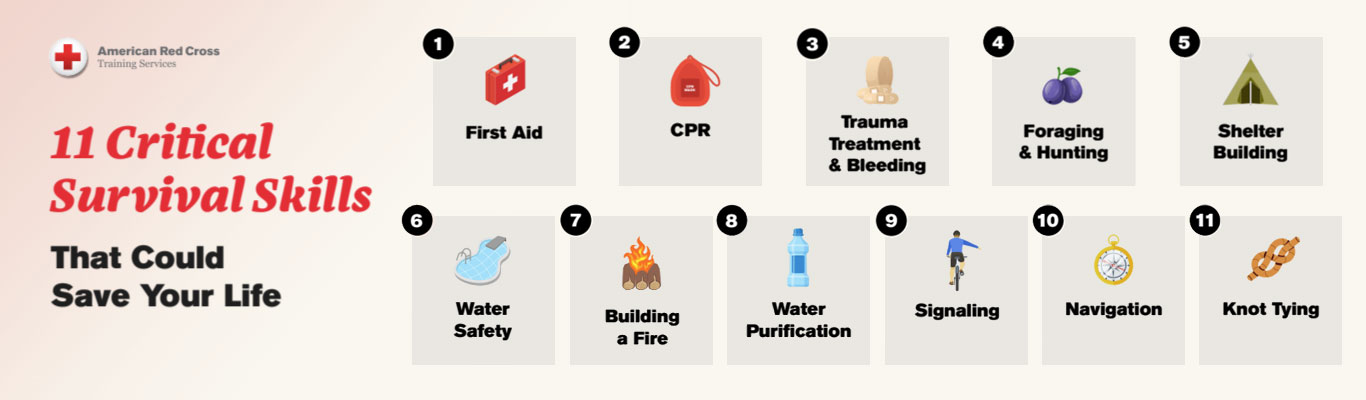
Credit: www.redcross.org
Frequently Asked Questions
What Are Essential Hunting Survival Skills To Learn?
Knowing how to track, aim, and handle weapons safely is key for hunting survival.
How Can Trapping Help In A Survival Situation?
Trapping provides food when hunting is not possible, using simple tools and patience.
What Basic Tools Are Needed For Hunting And Trapping?
A knife, rope, and traps are basic tools needed for effective hunting and trapping.
How Do You Choose A Good Spot For Setting Traps?
Look for animal signs like tracks, droppings, and trails to place traps.
What Safety Tips Should Be Followed While Hunting And Trapping?
Always tell someone your plan, carry first aid, and know local laws.
Conclusion
Hunting and trapping skills help you stay safe in the wild. Practice these skills often to build confidence and success. Always respect nature and follow local laws. These skills can provide food and shelter when needed. Staying calm and patient makes a big difference.
Keep learning and improving with each experience. Remember, survival depends on knowledge and preparation. Stay ready, stay safe, and trust your abilities.