

Last Updated on June 17, 2026 by Blake Turner
Imagine being ready for anything life throws your way—storms, power outages, or unexpected adventures. Having a survival kit can make all the difference when you need it most.
But how do you create one that truly works for you? You’ll discover simple, practical steps to build a survival kit tailored to your needs. Keep reading, and you’ll feel confident knowing you’re prepared to handle emergencies with ease and calm.
Your safety starts here.
Credit: www.nbcnews.com
Choosing The Right Container
A survival kit needs a strong container. The container protects your items in tough conditions.
Pick a container that fits your needs and is easy to carry. This helps you stay prepared.
Durability And Portability
Your container must be tough to resist damage. It should handle drops and rough use.
At the same time, it should be light and easy to carry. You want to take it anywhere.
- Look for hard plastic or metal containers
- Choose a size that fits your pack or pocket
- Test if the container is easy to open and close
Waterproof And Airtight Options
Water can ruin your survival items fast. A waterproof container keeps everything dry.
Airtight containers stop air and moisture from entering. This keeps food and matches safe.
- Look for containers with rubber seals or gaskets
- Test if the lid fits tightly without gaps
- Consider containers designed for outdoor or marine use
Essential Survival Items
Building a survival kit means preparing for emergencies. You need items that help you stay safe and healthy.
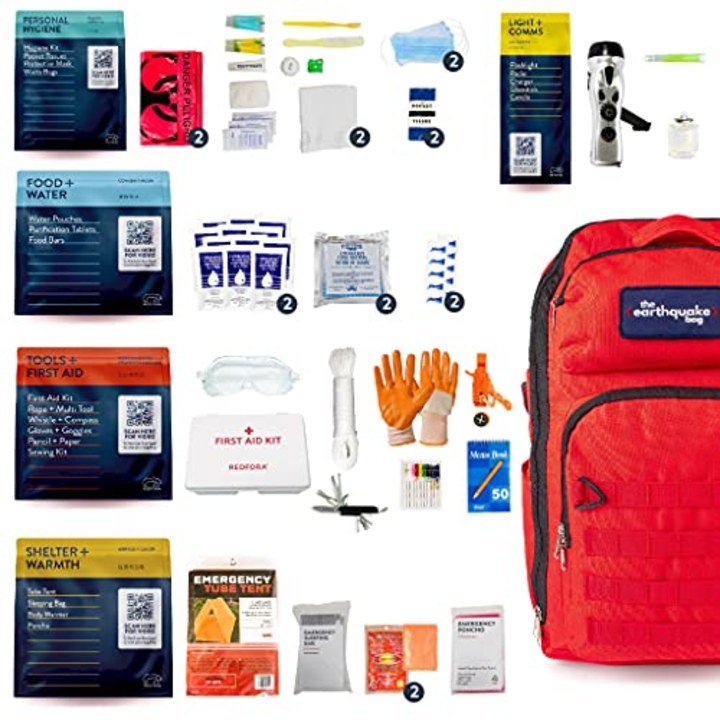
This guide covers the most important things to include in your kit. Focus on food and water, shelter, and first aid.
Food And Water Supplies
Food and water are the top priorities in any survival situation. You need enough to last several days.
Choose non-perishable foods and clean water sources that are easy to store and carry.
- Bottled water or water purification tablets
- High-energy snacks like nuts and dried fruit
- Canned goods with pull-tab lids
- Energy bars and freeze-dried meals
Shelter And Warmth Tools
Keeping warm and dry prevents illness in tough conditions. A good shelter protects you from the elements.
Pack lightweight tools that help you build shelter and stay warm.
- Compact tent or emergency bivvy sack
- Thermal blanket or sleeping bag
- Waterproof tarp and rope
- Fire starters like waterproof matches or lighters
- Extra warm clothing like gloves and hats
First Aid And Hygiene
First aid items help treat injuries and avoid infections. Hygiene tools keep you clean and healthy.
Include basic medical supplies and personal care products in your kit.
- Bandages, antiseptic wipes, and adhesive tape
- Pain relievers and allergy medicine
- Scissors and tweezers
- Hand sanitizer and soap
- Feminine hygiene products
- Toothbrush and toothpaste
Tools And Equipment
A survival kit needs the right tools and equipment. These help you stay safe and solve problems.
Picking the right items can make a big difference in an emergency. Focus on useful and reliable gear.
Navigation And Communication
Knowing where you are and how to call for help is very important. Include tools that help you find your way.
Communication devices let you contact others if you get lost or need help fast.
- Compass for direction
- Maps of the area
- Whistle to signal for help
- Two-way radios for talking
- Fully charged mobile phone
Fire Starting Gear
Fire keeps you warm and cooks food. It also signals rescuers if you are lost.
Choose items that work well in wet and dry conditions. Always carry backups.
- Waterproof matches
- Lighter with extra fuel
- Firestarter sticks or tinder
- Magnesium fire starter
Multi-purpose Tools
Multi-purpose tools save space and weight in your kit. They help with many tasks.
Pick tools that are strong and easy to use. These tools help with repairs, food, and protection.
- Swiss Army knife or multi-tool
- Strong fixed blade knife
- Small folding saw
- Wire cutters
- Carabiner clips

Credit: www.honeycomboasis.com
Maintenance And Customization
A survival kit needs care to stay useful. Regular checks keep items ready to use.
Customizing your kit fits your needs and environment. Change it to stay prepared.
Regular Inspection And Replacement
Check your survival kit often. Look for expired or broken items that need replacing.
Replace batteries, food, and medicines before they expire. Keep everything working well.
- Test flashlights and radios for power
- Swap out old food and water supplies
- Check first aid items for usability
- Ensure tools are not damaged or rusty
Tailoring To Specific Environments
Adjust your survival kit to fit your location. Different places need different items.
Include gear for weather, terrain, and possible dangers. Customize to improve safety.
- Cold climates: add warm clothing and hand warmers
- Hot climates: include sunscreen and extra water
- Forest areas: pack insect repellent and a machete
- Urban settings: carry maps and portable phone chargers

Credit: www.youtube.com
Frequently Asked Questions
What Are The Essential Items In A Survival Kit?
A survival kit should include water, food, first-aid supplies, a flashlight, and a multi-tool for basic needs.
How Long Should A Basic Survival Kit Last?
A basic survival kit should support you for at least 72 hours during emergencies.
Where Is The Best Place To Keep A Survival Kit?
Store your survival kit in an easy-to-reach, dry, and secure place at home or in your car.
How Often Should I Check And Update My Survival Kit?
Check your kit every six months to replace expired food, batteries, and update supplies.
Can I Make A Survival Kit On A Small Budget?
Yes, focus on essential, low-cost items like water, canned food, and basic first-aid materials.
Conclusion
Building a survival kit takes time and care. Choose items that meet your basic needs. Keep food, water, tools, and first aid ready. Regularly check and update your kit. A well-packed kit can help you stay safe. Being prepared gives peace of mind.
Small steps today can protect you tomorrow. Start gathering your supplies and stay ready.