

Last Updated on June 17, 2026
Imagine being in a situation where your safety depends on a simple knot. Knowing the right knots can make all the difference when you need to secure gear, build shelter, or save yourself in an emergency.
You might think knots are tricky, but learning a few basic ones is easier than you expect—and could be a lifesaver. You’ll discover the essential survival knots everyone should know. By the end, you’ll feel confident and ready to handle many outdoor challenges with just a piece of rope.
Keep reading to equip yourself with skills that could protect you when it matters most.
Essential Survival Knots
Survival knots are vital for outdoor adventures. They help in emergencies and various tasks. Knowing a few basic knots can make a big difference.
These knots are easy to learn and remember. Practice them to be ready for your next outdoor trip.
Bowline Knot
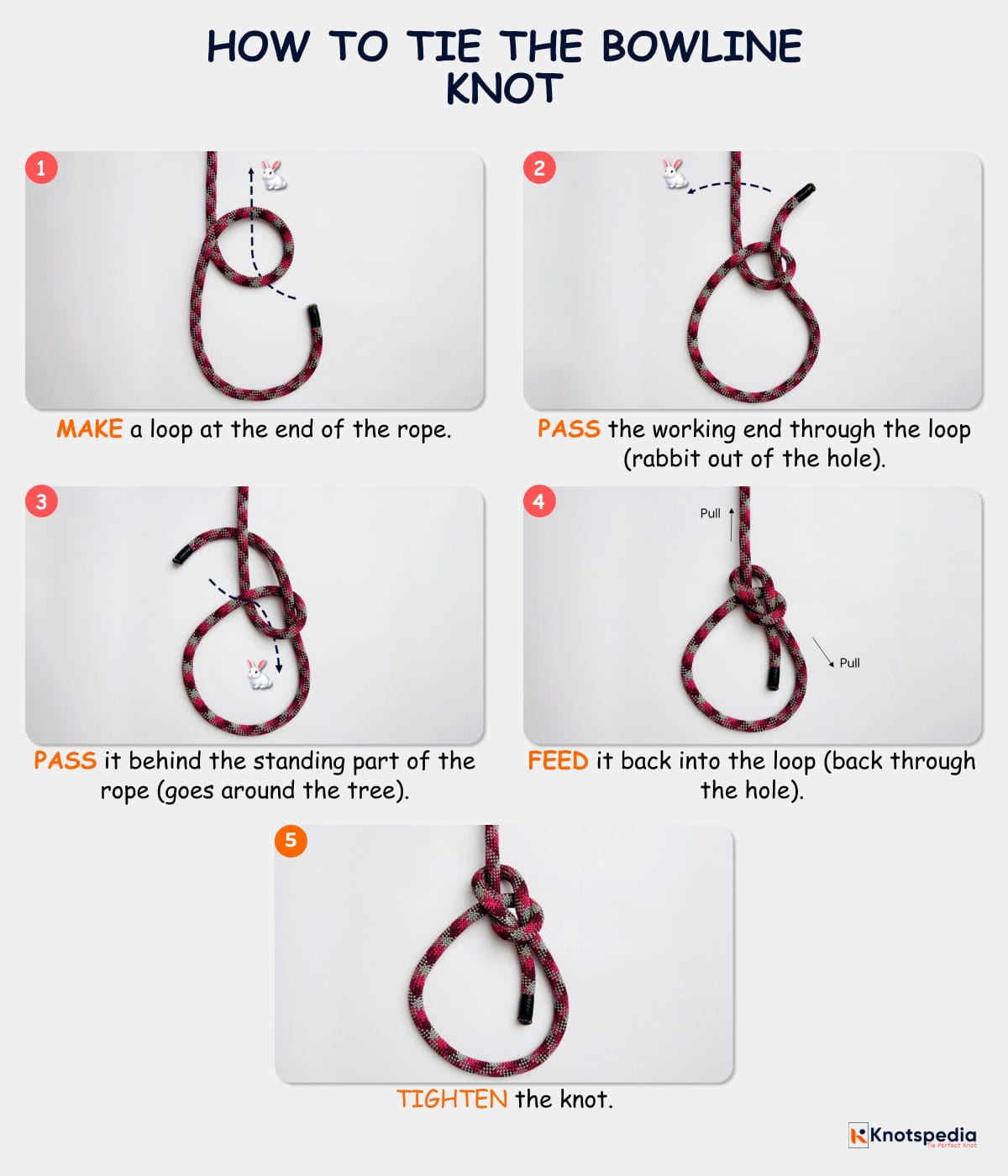
The bowline knot creates a fixed loop at the end of a rope. It is strong and easy to untie.
This knot is useful for rescue situations and securing objects. It holds well under tension.
- Begin by making a small loop in the rope.
- Pass the rope end through the loop from underneath.
- Bring the end around the standing part.
- Return the end back through the loop.
Clove Hitch
The clove hitch is perfect for securing a rope to a post. It is quick to tie and adjust.
Use this knot when you need a temporary hold. It is also useful for building shelters.
- Wrap the rope around the post.
- Cross the rope over itself.
- Wrap the rope again around the post.
- Tuck the end under the last wrap.
Square Knot
The square knot, or reef knot, joins two ropes together. It is simple and effective for light loads.
This knot is helpful for binding items or tying bandages. Ensure it is not used for heavy loads.
- Cross the ends of two ropes.
- Tie a simple knot with the ends.
- Cross the ends again.
- Complete with another simple knot.
Sheet Bend
The sheet bend is ideal for joining two ropes of different thicknesses. It is reliable and holds well.
This knot is essential in sailing and rescue operations. It is easy to tie and untie.
- Form a bight in the thicker rope.
- Pass the thinner rope through the bight.
- Wrap the end around the bight.
- Tuck it under itself.
Taut-line Hitch
The taut-line hitch is adjustable and maintains tension. It is useful for securing tents and tarps.
This knot slides easily but holds firm when pulled. It is ideal for camping and outdoor activities.
- Wrap the rope around an anchor point.
- Make a loop around the standing line.
- Repeat the loop once more.
- Finish with a loop on the outside.

Credit: m.youtube.com
How To Tie Basic Knots
Knowing how to tie basic knots can help you in many situations. These knots are useful for camping, fishing, and everyday tasks.
We will explain four important knots and how to tie them step by step. Practice these knots to use them with confidence.
Square Knot
The square knot joins two ropes of the same size. It is good for tying bundles or packages.
To tie a square knot, cross the right end over the left and tie a simple knot. Then cross the left end over the right and tie another simple knot.
- Start with two rope ends side by side
- Cross right end over left and tuck under
- Cross left end over right and tuck under
- Pull both ends tight to secure the knot
Bowline Knot
The bowline knot makes a fixed loop at the end of a rope. It is strong and easy to untie.
Make a small loop near the rope’s end. Pass the rope end through the loop, around the standing line, and back through the loop.
- Create a small loop in the rope
- Pass the rope end through the loop from below
- Wrap the end around the standing part
- Bring the end back down through the loop
- Pull tight to form the loop
Clove Hitch
The clove hitch fastens a rope to a post or pole. It is easy to adjust and untie.
Wrap the rope around the post. Cross the rope over itself and wrap it around again. Tuck the end under the last wrap and pull tight.
- Wrap rope around the post once
- Cross rope over itself and wrap again
- Slip the end under the last wrap
- Pull both ends to tighten the knot
Sheet Bend
The sheet bend joins two ropes, especially ropes of different thickness. It holds well under tension.
Make a loop in the thicker rope. Pass the thinner rope through the loop, around the back, and under its own part. Pull tight to secure.
- Form a loop in the thicker rope
- Pass thinner rope through the loop
- Wrap thinner rope around loop’s back
- Pass thinner rope under itself
- Pull both ropes to tighten the knot
When To Use Each Knot
Knowing basic survival knots helps you handle many outdoor tasks. Each knot has a special use depending on the situation.
Choosing the right knot makes your work easier and safer. Below are examples of knots for different survival needs.
Securing Gear
Use strong knots to tie your gear tightly. This keeps your supplies safe during travel or storms.
Knots like the bowline and trucker’s hitch hold well and are easy to untie after use.
- Bowline: Makes a fixed loop to attach gear to ropes.
- Trucker’s Hitch: Tightens loads securely on backpacks or vehicles.
- Square Knot: Joins two ropes of the same size for simple ties.
Building Shelter
Knots help you fasten branches and tarps for shelter. Choose knots that hold firm under weight and wind.
The taut-line hitch and clove hitch are great for making adjustable and stable connections.
- Taut-line Hitch: Creates a loop that slides to tighten or loosen tension.
- Clove Hitch: Secures ropes to poles or trees quickly.
- Sheet Bend: Joins ropes of different thickness when needed.
First Aid Applications
Use knots to make slings or bandages in emergencies. They should be easy to tie and remove.
The square knot and bowline work well for these tasks because they stay secure and do not slip.
- Square Knot: Ties bandages or wraps firmly without slipping.
- Bowline: Creates a fixed loop for arm slings or supports.
- Half Hitch: Helps secure smaller ties quickly.
Fishing And Trapping
Knots help you fasten fishing lines and traps to catch food. Choose knots that hold under water pressure.
The improved clinch knot and snell knot are strong choices for tying hooks and lines securely.
- Improved Clinch Knot: Attaches fishing line to hooks or lures firmly.
- Snell Knot: Binds hook and line in a straight pull for strength.
- Slip Knot: Useful for setting traps that need to tighten when triggered.
Credit: knotspedia.com
Tips For Knot Safety
Knowing how to tie survival knots is important for safety. Using knots correctly helps keep you secure in many situations.
Always check your knots and practice often. Avoid mistakes that can cause knots to fail.
Checking Knot Strength
Before using a knot, test its strength. Pull it tight to make sure it will hold under pressure.
Look for any signs of slipping or loosening. Replace knots that do not hold well.
- Use a firm pull to test the knot
- Check rope condition before tying
- Retie knots if they slip or loosen
Practicing Regularly
Practice tying knots often to improve your skill. Regular practice makes knot tying faster and safer.
Try different knots to know which one works best for each task. Practice with real ropes to gain confidence.
- Practice knots during free time
- Use different ropes and sizes
- Test knots in safe conditions
Avoiding Common Mistakes
Avoid tying knots too loosely or too tightly. Both can cause the knot to fail.
Do not use damaged ropes or wrong knots for the task. Learn which knots fit each situation.
- Do not skip checking your knots
- Replace worn or frayed ropes
- Choose knots suited for the load
Credit: www.youtube.com
Frequently Asked Questions
What Are The Essential Survival Knots To Learn First?
Start with the bowline, square knot, clove hitch, taut-line hitch, and figure-eight knot.
How Do Survival Knots Help In Emergency Situations?
They secure gear, build shelters, and create safety lines quickly and reliably.
Can Beginners Tie Survival Knots Easily?
Yes, with practice, even beginners can learn these knots quickly and use them safely.
Which Knot Is Best For Tying Two Ropes Together?
The square knot is commonly used for joining two ropes of similar thickness.
How Can I Practice Tying Survival Knots Effectively?
Use rope daily, follow step-by-step guides, and practice until knots hold firm without slipping.
Conclusion
Knowing these basic survival knots can help you in many situations. They are easy to learn and useful. Practice tying them often to build your confidence. Strong knots can save time and keep you safe. Carry a rope or cord when you go outdoors.
Remember, simple skills make a big difference. Keep these knots in mind for your next adventure. Stay prepared and stay safe.