

Last Updated on June 17, 2026
Imagine you’re deep in the wilderness, far from help, and suddenly an injury happens. What will you do?
Knowing basic first aid for outdoor survival can make all the difference between a minor setback and a serious emergency. This knowledge gives you confidence and control when every second counts. You’ll discover simple, practical first aid skills that anyone can learn and use in the wild.
By the end, you’ll be ready to protect yourself and those around you, no matter what nature throws your way. Keep reading—your safety depends on it.

Credit: www.amazon.com
Essential First Aid Kit Items
Having a first aid kit is important for outdoor survival. It helps you treat injuries quickly.
Your kit should have items to clean wounds, stop bleeding, and ease pain.
Must-have Supplies
Start with basics like bandages and antiseptic wipes. These keep cuts clean and covered.
- Adhesive bandages in various sizes
- Sterile gauze pads and adhesive tape
- Antiseptic wipes or solution
- Elastic bandage for sprains
- Disposable gloves to prevent infection
- Tweezers to remove splinters
- Scissors for cutting tape and clothing
- Pain relievers like ibuprofen or acetaminophen
- Burn cream or ointment
- Instant cold packs
- CPR face shield or mask
Adding a small flashlight and extra batteries helps during low light. Include a whistle to signal for help.
Packing Tips For Outdoor Trips
Keep your kit lightweight and compact. Use a waterproof container to protect items from moisture.
Organize supplies in clear bags or compartments. This makes it easy to find what you need fast.
- Check your kit before each trip
- Replace expired or used items promptly
- Pack extra supplies for longer trips
- Keep instructions or first aid guide included
- Store the kit in an easy-to-reach spot
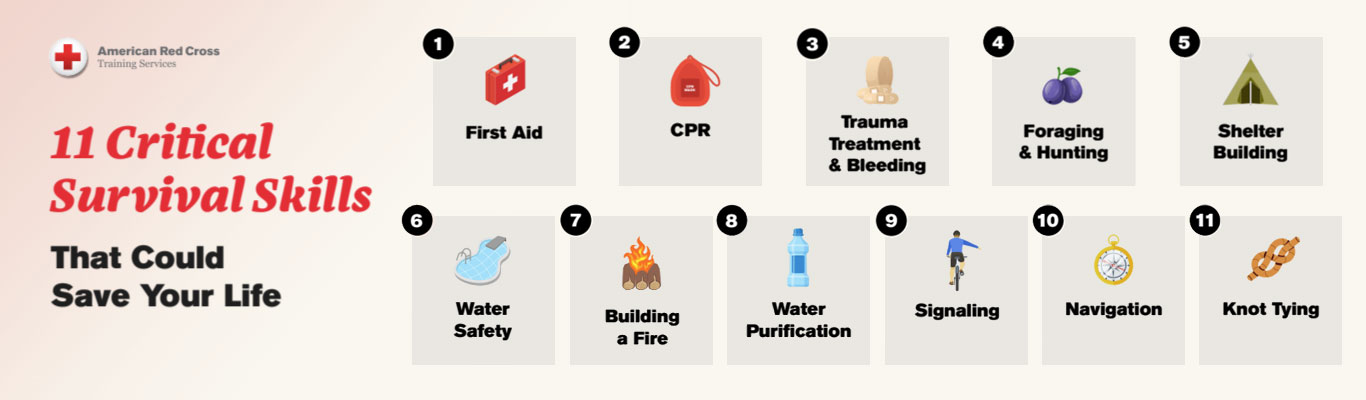
Credit: www.redcross.org
Managing Common Outdoor Injuries
Outdoor activities can lead to injuries like cuts, sprains, and burns. Knowing basic first aid helps you handle these problems safely.
Quick and proper care reduces pain and prevents infections. Here are ways to treat common outdoor injuries.
Treating Cuts And Scrapes
Clean cuts and scrapes right away to stop infections. Use clean water to wash away dirt and debris from the wound.
After cleaning, cover the injury with a sterile bandage to keep it protected and dry.
- Wash hands before touching the wound
- Use clean water or saline to rinse the injury
- Apply an antibiotic ointment if available
- Cover with a sterile dressing or bandage
- Change the dressing daily or if it gets wet
Handling Sprains And Fractures
Sprains happen when ligaments stretch or tear. Fractures are broken bones. Both need careful care to avoid more damage.
Keep the injured area still and use cold packs to reduce swelling. Seek help if pain is strong or the limb looks deformed.
- Rest the injured part and avoid using it
- Apply ice wrapped in cloth for 15–20 minutes
- Use a splint to support fractures or severe sprains
- Elevate the injury above heart level if possible
- Get professional medical help quickly
Dealing With Burns And Blisters
Burns and blisters cause pain and can get infected. Cool the burn area with clean, cool water for several minutes.
Do not pop blisters. Cover them with a clean, loose bandage to protect the skin underneath.
- Cool burns with running water for 10–20 minutes
- Keep the burn clean and avoid using ice directly
- Cover blisters with sterile gauze or bandage
- Do not break blisters to prevent infection
- Seek medical help for large or deep burns
Responding To Medical Emergencies
Outdoor survival means being ready for medical emergencies. Quick action can save lives. Knowing basic first aid helps you stay calm and effective.
In emergencies, assess the situation fast. Keep yourself safe before helping others. Use simple first aid steps to treat injuries and illnesses outdoors.
Recognizing Shock And Hypothermia
Shock happens when the body does not get enough blood flow. It can follow injuries, burns, or severe bleeding. Hypothermia occurs when body temperature drops too low.
Signs of shock include pale skin, weak pulse, and dizziness. Hypothermia signs are shivering, slow breathing, and confusion. Both conditions need fast treatment.
- Keep the person lying down and warm
- Raise their legs slightly to improve blood flow
- Cover with blankets or clothing to stop heat loss
- Do not give food or drink if unconscious
- Call for emergency help as soon as possible
Performing Cpr And Rescue Breathing
CPR helps when someone stops breathing or their heart stops. It keeps blood and oxygen moving until help arrives. Rescue breathing gives air to someone who cannot breathe.
Check if the person is responsive and breathing. If not, start CPR with chest compressions and rescue breaths. Keep the rhythm steady and firm.
- Place the person on their back on a firm surface
- Push hard and fast in the center of the chest
- Give 30 chest compressions followed by 2 rescue breaths
- Repeat cycles until the person breathes or help arrives
- Call emergency services if possible before starting CPR
Handling Allergic Reactions
Allergic reactions can happen outdoors from insect bites or plants. Severe reactions cause swelling, trouble breathing, and rash. They need fast action to prevent danger.
Look for signs like hives, swelling of face or throat, and difficulty breathing. Help the person use an epinephrine injector if they have one. Call emergency help immediately.
- Remove the allergen if possible
- Help the person sit or lie down comfortably
- Use an epinephrine pen if available and trained to do so
- Keep the person calm and monitor their breathing
- Seek medical help quickly even if symptoms improve
Preventing Health Issues Outdoors
Spending time outdoors can be fun and healthy. It is important to stay safe and avoid health problems. Basic first aid helps you prevent issues before they start.
Knowing how to care for your body and avoid dangers makes your outdoor time better. This guide shows simple ways to protect your health.
Staying Hydrated And Nourished
Drink water often to keep your body working well. Thirst means you are already a bit dehydrated. Carry enough water and drink small amounts regularly.
Eat foods that give energy and nutrients. Choose snacks like nuts, fruits, and energy bars. Avoid heavy meals that slow you down.
- Drink at least 8 cups of water daily
- Eat small, frequent meals
- Carry portable, healthy snacks
- Avoid sugary and salty foods
Avoiding Insect Bites And Stings
Insects can carry diseases and cause pain. Wear long sleeves and pants to cover your skin. Use insect repellent on exposed areas.
Check your body often for ticks or bites. Avoid standing water where mosquitoes breed. Stay in open, breezy areas if possible.
- Wear light-colored clothing
- Use insect repellent with DEET or picaridin
- Inspect skin and clothes for ticks
- Keep campsites clean and dry
Protecting Against Sun Exposure
The sun can cause sunburn and heat problems. Wear a wide-brimmed hat and sunglasses. Apply sunscreen with at least SPF 30 before going outside.
Reapply sunscreen every two hours or after swimming. Stay in the shade during the hottest part of the day. Drink water to help your skin stay cool.
- Use broad-spectrum sunscreen
- Wear protective clothing
- Limit sun exposure from 10 a.m. to 4 p.m.
- Drink plenty of water to avoid heat stroke

Credit: www.amazon.com
Frequently Asked Questions
What Are The Essentials In A First Aid Kit?
A basic kit needs band-aids, antiseptic wipes, gauze, and tweezers. Include pain relievers and adhesive tape.
How Do You Treat A Sprained Ankle Outdoors?
Elevate the ankle and apply a cold compress. Wrap it with a bandage for support.
What Should You Do For Insect Bites?
Wash the bite area with soap and water. Apply a cold pack to reduce swelling.
How Can You Stop Bleeding From A Wound?
Press a clean cloth on the wound firmly. Keep pressure until bleeding stops.
How Do You Treat Sunburn In The Wilderness?
Cover with cool, wet cloths. Drink water to stay hydrated. Apply aloe vera if available.
Conclusion
Knowing basic first aid can save lives outdoors. Stay calm and act quickly during emergencies. Carry a first aid kit on every trip. Practice simple skills like cleaning wounds and stopping bleeding. Keep learning and refreshing your knowledge often. Being prepared helps you feel confident and safe.
Remember, quick care can prevent serious problems. Trust your instincts and stay alert in nature. Safety starts with you.