

Last Updated on June 17, 2026 by Blake Turner
Have you ever wondered how you would handle yourself if you found yourself lost in the wild? Imagine having the skills and confidence to survive any outdoor challenge, no matter where you are.
Outdoor survival training courses are designed to give you exactly that—practical knowledge and hands-on experience that could one day save your life. You’ll discover what these courses offer, why they matter, and how they can transform your approach to the great outdoors.
Keep reading, and get ready to take control of your safety and adventure like never before.
Credit: 112survival.com
Essential Skills Taught
Outdoor survival training courses teach important skills to help you stay safe in nature. These skills prepare you for emergencies and make your outdoor experience better.
Learning these basics builds your confidence. You will know how to find shelter, start a fire, get clean water, and handle injuries.
Shelter Building
Building a shelter protects you from weather and animals. The course shows how to use natural materials around you.
You learn to make different types of shelters for various environments. This helps keep you warm and dry.
- Choosing a safe location
- Using branches, leaves, and vines
- Making a frame and covering it
- Insulating from cold ground
Fire Starting Techniques
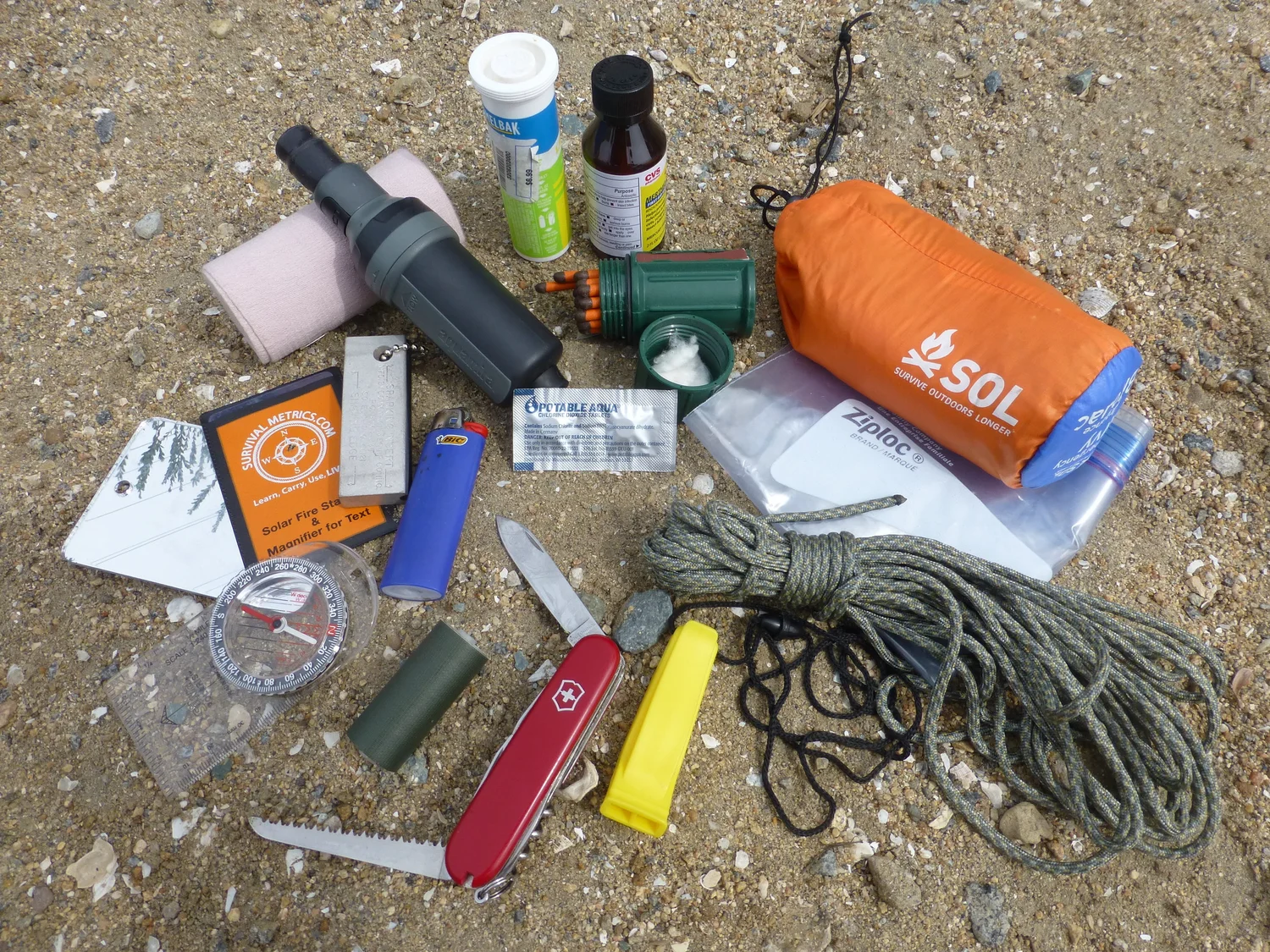
Fire keeps you warm, cooks food, and signals for help. The course teaches how to start a fire without matches.
You practice using tools and natural materials to create sparks and flames safely.
- Using a fire steel or flint
- Gathering dry tinder and kindling
- Building different fire structures
- Safe fire management and extinguishing
Water Sourcing And Purification
Finding clean water is key to survival. The course shows how to locate water in the wild.
You also learn ways to make water safe to drink by removing germs and dirt.
- Identifying water sources like streams and rain
- Using filters and cloth to remove particles
- Boiling water to kill germs
- Using purification tablets or drops
Basic First Aid
Basic first aid skills help you treat injuries in the outdoors. You learn how to handle cuts, burns, and insect bites.
The course covers how to keep wounds clean and when to seek help. You also practice bandaging and CPR basics.
- Cleaning and dressing wounds
- Managing sprains and fractures
- Recognizing signs of shock
- Performing CPR and rescue breathing
Credit: bushsurvivaltraining.com
Course Formats
Outdoor survival training courses come in different formats. Each format fits different learning styles and schedules.
Understanding these formats helps you pick the best course for your needs and goals.
Weekend Workshops
Weekend workshops are short and focused. They usually last one or two days and cover basic survival skills.
These workshops fit busy people who want hands-on experience fast.
- Basic shelter building
- Fire starting techniques
- Navigation with a map and compass
- First aid basics
Extended Immersion Programs
Extended immersion programs last several days or weeks. They offer deep training in survival skills and mindset.
Students live outdoors during the course to practice real survival scenarios and build confidence.
- Advanced shelter construction
- Water sourcing and purification
- Food foraging and trapping
- Emergency signaling
- Team survival exercises
Online Vs. In-person Training
Online training lets you learn survival theory at home. It is flexible and fits any schedule.
In-person training offers hands-on practice and direct feedback from instructors. It helps build practical skills faster.
| Aspect | Online Training | In-Person Training |
|---|---|---|
| Flexibility | High | Low |
| Hands-on Experience | Limited | Extensive |
| Instructor Interaction | Moderate | Direct |
| Cost | Usually Lower | Usually Higher |
| Equipment Use | Self-provided | Provided |
Choosing The Right Course
Outdoor survival training courses teach skills to stay safe in nature. Picking the right course is important for a good learning experience.
Choose a course that fits your needs, skill level, and goals. This guide helps you decide what to look for.
Skill Level Considerations
Different courses suit different skill levels. Beginners need basic survival skills. Advanced learners want more challenges.
Check course descriptions to find the right level. Avoid courses too hard or too easy for you.
- Beginner courses cover shelter building and fire starting
- Intermediate courses teach navigation and first aid
- Advanced courses include long-term survival and rescue skills
Instructor Qualifications
Good instructors have experience and proper training. They know how to teach survival skills safely.
Look for instructors with certifications or real-world experience. They should explain skills clearly and answer questions.
- Check if instructors have wilderness first aid certification
- Find out if they have military or professional survival experience
- Read reviews or ask for references about their teaching style
Location And Environment
The course location affects the skills you learn. Choose an environment similar to where you plan to use the skills.
Some courses take place in forests, deserts, or mountains. Think about the weather and terrain before you sign up.
- Forest courses teach woodcraft and shelter building
- Desert courses focus on water finding and heat safety
- Mountain courses cover cold weather survival and navigation

Credit: www.albertacentrefortrappingandbushcraft.com
Benefits Beyond Survival
Outdoor survival training teaches skills to stay safe in nature. It also offers many benefits beyond just survival.
These courses build personal strength, improve thinking, and help people work well with others.
Building Confidence
Survival training pushes you to face challenges outside your comfort zone. This helps you trust your own abilities.
As you learn new skills, your confidence grows. This confidence can help in daily life and other challenges.
Enhancing Problem-solving
Outdoor survival requires quick thinking and smart decisions. You must find solutions with limited tools and resources.
This training sharpens your problem-solving skills. It teaches you to stay calm and think clearly under pressure.
Fostering Teamwork And Leadership
Survival courses often involve group activities. Working with others builds trust and cooperation.
These experiences help develop leadership skills. You learn how to guide a team and make group decisions.
Frequently Asked Questions
What Is Outdoor Survival Training?
Outdoor survival training teaches essential skills for survival in nature. This includes fire-making, shelter building, and navigation.
Why Take An Outdoor Survival Course?
It prepares you for emergencies in the wild. You learn practical skills that increase your safety and confidence outdoors.
How Long Do Survival Courses Last?
Courses vary in length. They can be as short as a day or last a week, depending on the curriculum.
What Skills Are Taught In Survival Training?
Courses cover shelter building, fire-starting, water purification, navigation, and first aid. Basic skills for survival in the wild.
Is Outdoor Survival Training Safe?
Yes, it is generally safe. Courses are led by experienced instructors who prioritize safety and teach risk management.
Conclusion
Outdoor survival training courses build confidence and skills for any situation. They teach you how to stay safe and find resources in nature. Practice makes these skills stronger and easier to use. Being prepared helps you handle emergencies calmly. These courses offer hands-on learning in real environments.
Everyone can benefit from knowing how to survive outdoors. Start small, keep learning, and enjoy the adventure. Your safety and peace of mind improve with every lesson. Survival skills are useful beyond the wilderness too. Take the chance to grow and be ready for anything.