

Last Updated on June 17, 2026 by Blake Turner
When you find yourself in a survival situation, clean water isn’t just important—it’s life-saving. You might think any water will do, but without proper purification, it can make you seriously sick.
Knowing the right water purification techniques can protect your health and keep you strong when it matters most. You’ll discover simple, effective ways to make sure your water is safe to drink, no matter where you are. Keep reading, because your survival could depend on the knowledge you gain here.
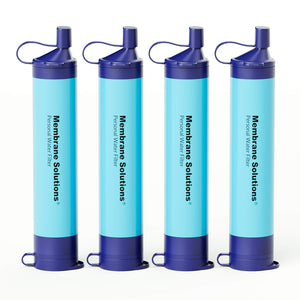
Credit: www.simpurelife.com
Common Water Contaminants
In survival situations, clean water is crucial for health. Understanding contaminants helps in choosing the right purification method.
Contaminants in water can cause illness. They come from natural and human-made sources. Knowing them helps in making water safe to drink.
Biological Pollutants
Biological pollutants include bacteria, viruses, and parasites. They can cause diseases like cholera and dysentery.
These pollutants are often found in water sources near animal waste or sewage. Boiling water can kill most biological pollutants.
- Bacteria: E. coli, Salmonella
- Viruses: Norovirus, Hepatitis A
- Parasites: Giardia, Cryptosporidium
Chemical Impurities
Chemical impurities come from industrial waste and agricultural runoff. They include heavy metals and pesticides.
These chemicals can be harmful if consumed. Filtration systems can remove many chemical impurities.
- Heavy metals: Lead, Mercury
- Pesticides: Atrazine, Glyphosate
- Industrial chemicals: PCBs, Dioxins
Physical Debris
Physical debris includes dirt, sand, and leaves. These can make water look dirty but are not usually harmful.
Debris can clog filters and make purification harder. Simple cloth filtering can remove large particles.
- Dirt and mud
- Leaves and twigs
- Sand and silt

Credit: lunolife.com
Basic Purification Methods
Clean water is vital for survival in the wild. Water from natural sources can contain harmful germs. You must purify water before drinking to stay safe.
There are simple ways to make water safe. These methods do not need fancy tools and work well in most situations.
Boiling Water
Boiling water kills most bacteria, viruses, and parasites. It is one of the safest ways to purify water.
To boil water, bring it to a rolling boil for at least one minute. At higher altitudes, boil for three minutes to be safe.
Using Water Filters
Water filters remove dirt, bacteria, and some parasites from water. They work by pushing water through tiny holes that trap harmful particles.
Portable filters are lightweight and easy to carry. They do not remove viruses, so combining with other methods may be needed.
- Choose filters with small pore size (0.1 to 0.3 microns)
- Replace filters regularly for best results
- Use filters designed for outdoor use
Chemical Treatment
Chemical treatments kill germs in water using tablets or drops. Common chemicals include chlorine and iodine.
Follow instructions carefully for proper dose and wait time. Some chemicals may leave a taste or smell in water.
- Use chlorine tablets for fast disinfection
- Iodine works well but avoid if pregnant
- Always check expiration dates on chemicals
Advanced Purification Techniques
Water purification is key for survival. Advanced techniques remove harmful germs and chemicals.
These methods help you get clean water in tough conditions. They use science to make water safe.
Ultraviolet Purification
Ultraviolet (UV) purification uses light to kill bacteria and viruses. It stops germs from growing.
Portable UV devices are easy to use. You shine UV light on water for a few seconds to clean it.
- Does not change water taste
- Works fast, usually under one minute
- Needs batteries or power source
- Does not remove chemicals or dirt
Distillation Process
Distillation boils water and collects steam. The steam cools back to pure water, leaving dirt and germs behind.
This process removes salt, heavy metals, and most germs. It is good for salty or dirty water.
- Boil water to create steam
- Capture steam in a clean container
- Let steam cool to liquid form
- Collect the clean distilled water
Solar Water Disinfection
Solar water disinfection uses sunlight to kill germs. Clear bottles fill with water and sit in the sun for hours.
UV rays from the sun kill bacteria. Heat also helps clean the water. This method is simple and low-cost.
- Fill clear plastic bottles with water
- Place bottles on a flat surface in sunlight
- Leave for six hours on sunny days
- Use water immediately after treatment
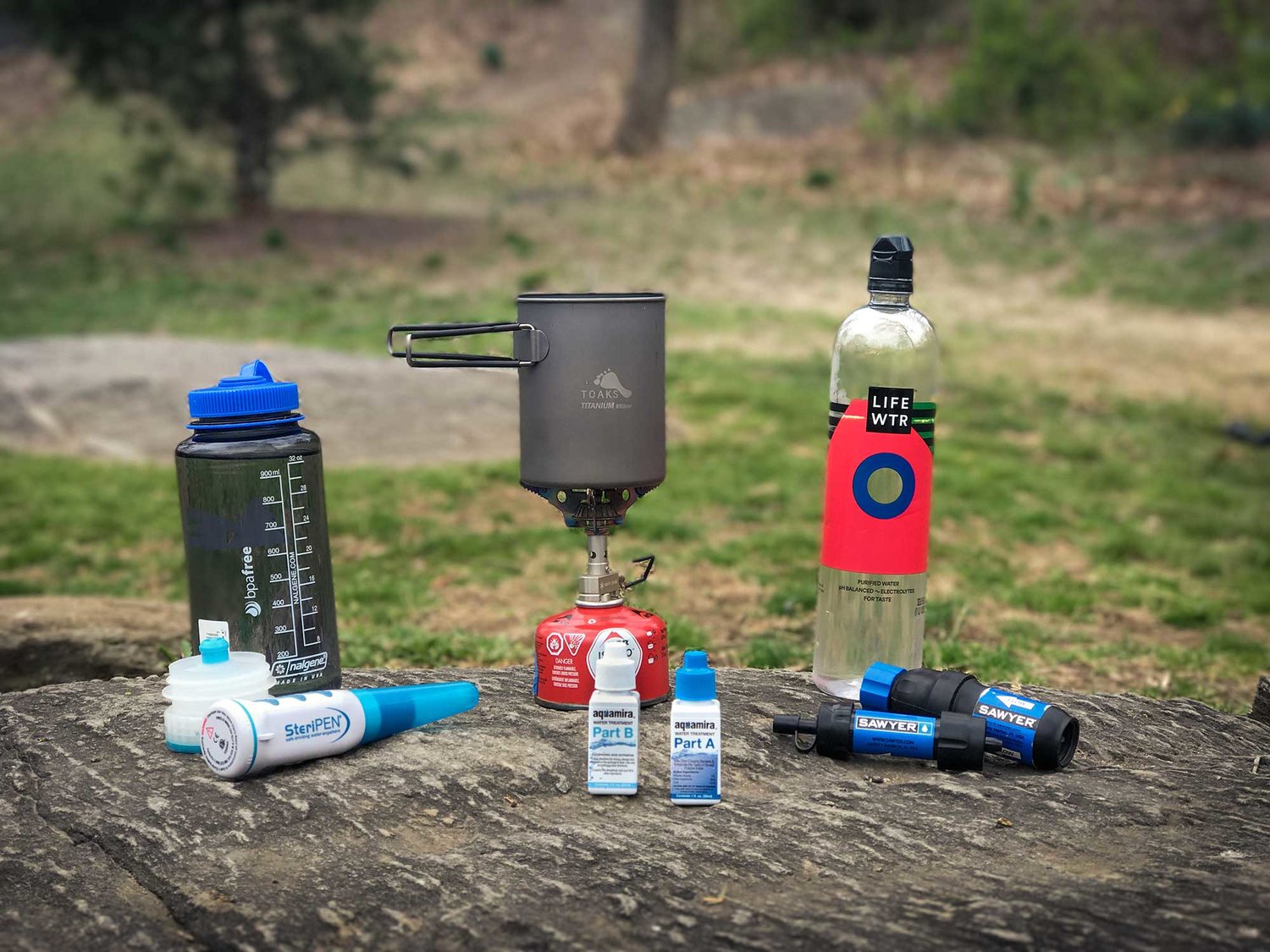
Credit: hackyourpack.com
Practical Tips For Survival
Clean water is essential for survival in the wild. Knowing how to purify water can keep you healthy and safe.
This guide covers simple water purification techniques. Learn how to pick the best way, improvise, and store your water.
Choosing The Right Method
Pick a water purification method that fits your situation. Consider what tools you have and the water source.
Boiling, filtering, and chemical treatments are common options. Each method works best in certain conditions.
- Boiling:Kills bacteria and viruses. Use if you can start a fire.
- Filtering:Removes dirt and some germs. Use a portable filter or cloth.
- Chemical treatment:Use tablets or drops to kill germs. Good for quick use.
Improvising In The Wild
You may not always have tools for water purification. Use natural resources and simple tricks to clean water.
Collect clear water and let it settle to remove dirt. Use sunlight to help kill germs with solar disinfection.
- Use a cloth to filter out large particles.
- Solar disinfection: fill clear bottles and leave in sun for 6 hours.
- Boil water over a campfire or stove if you have one.
Storing Purified Water
Keep your purified water safe to avoid contamination. Use clean containers with tight lids.
Store water in a cool, shaded place. Label containers to know which water is clean.
- Use plastic or metal bottles that seal well.
- Clean containers before storing water.
- Do not reuse containers that held chemicals.
Frequently Asked Questions
What Are The Most Common Water Purification Methods For Survival?
Boiling, filtration, chemical treatment, and UV light are common ways to purify water for survival.
How Long Should I Boil Water To Make It Safe?
Boil water for at least one minute to kill most harmful germs and bacteria.
Can Chemical Tablets Make Water Safe To Drink?
Yes, chemical tablets like iodine or chlorine can kill germs in water quickly.
Is Filtering Water Enough To Remove All Dangers?
Filters remove dirt and some germs but may not remove viruses or chemicals fully.
How Does Uv Light Purify Water In Survival Situations?
UV light kills bacteria and viruses by damaging their DNA, making water safer to drink.
Conclusion
Clean water saves lives. Knowing how to purify water keeps you safe in survival. Boiling, filtering, and chemical treatments work well. Each method has its own strengths and limits. Practice these techniques before an emergency strikes. Stay prepared, stay healthy, and protect yourself.
Water purification is simple but very important. Use what you learn wisely and often. Your safety depends on clean drinking water. Keep these tips in mind for survival situations.