

Last Updated on June 17, 2026 by Blake Turner
Imagine you’re out in the wild, surrounded by nature’s beauty, but your water supply is uncertain. What if the water you find isn’t safe to drink?
Knowing how to purify water in the wild can be the difference between staying healthy and facing serious illness. You need simple, reliable methods that you can trust when it matters most. You’ll discover easy steps to make sure your water is clean and safe, so you can focus on enjoying your adventure without worry.
Keep reading, because your survival depends on what you do next.
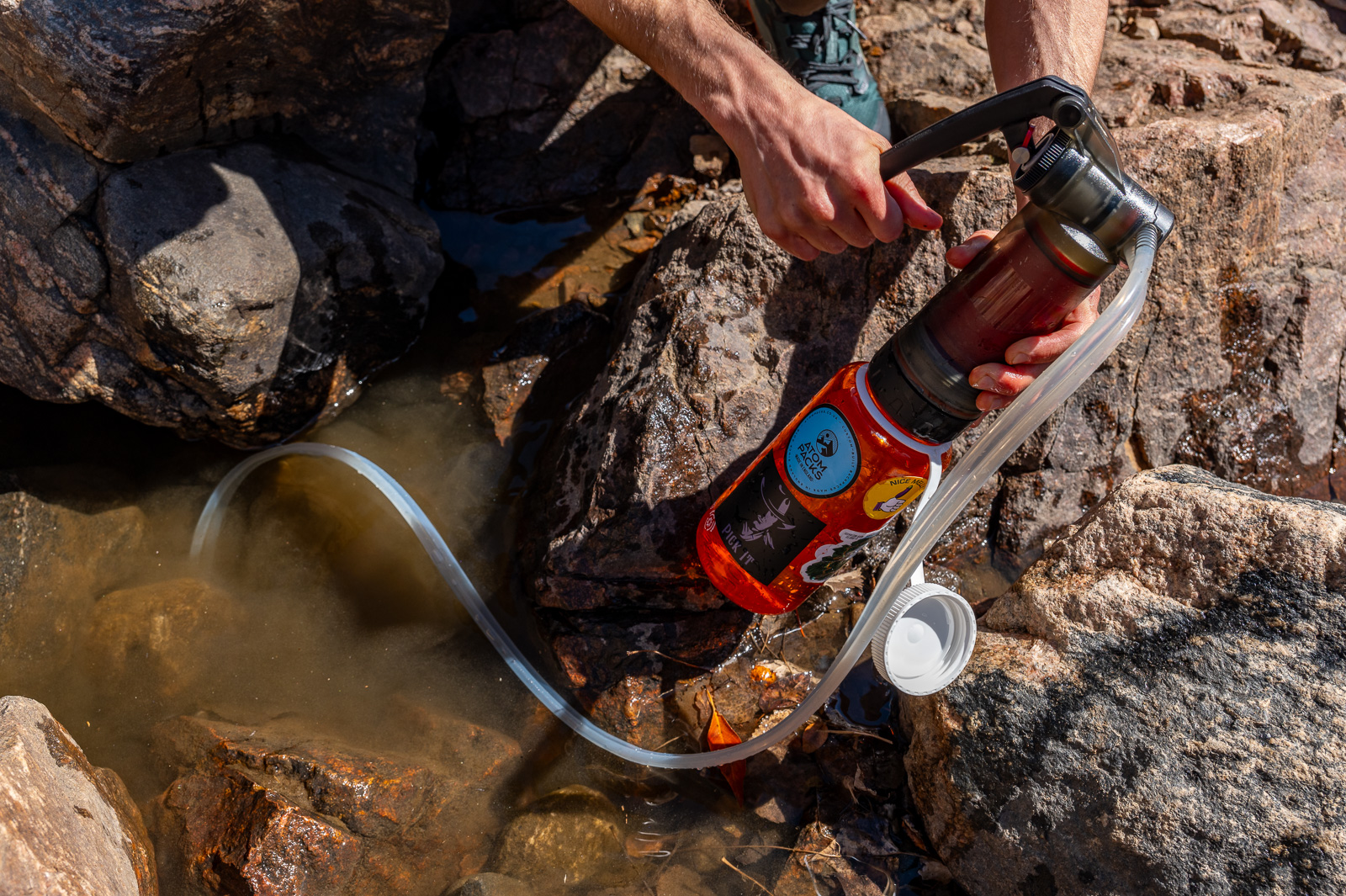
Credit: www.cleverhiker.com
Sources Of Wild Water
Finding water in the wild is vital for survival. Natural water sources include rivers, lakes, and streams. Rainwater and springs also provide fresh water.
Knowing where to find clean water helps prevent sickness. You must learn to spot safe water sources and avoid dirty ones.
Identifying Safe Water Locations
Look for clear, flowing water like streams or rivers. Moving water is less likely to carry germs. Springs and rain catchments are usually clean sources.
Choose water away from animal trails and human activity. Clear water with no bad smell or color is safer to use. Avoid stagnant water found in ponds or puddles.
- Clear streams or rivers
- Natural springs
- Rainwater collection
- Areas far from animals and people
Avoiding Contaminated Water
Do not drink water near farms or factories. These areas may have chemicals or waste. Avoid water with strange colors, bad smells, or visible trash.
Stagnant water can hold bacteria and parasites. Avoid water where dead animals or plants float. Always purify water before drinking it.
- Stay away from water near farms and factories
- Do not use water with odd colors or smells
- Avoid stagnant ponds and puddles
- Keep clear of water with floating debris or dead animals
Basic Water Filtration Methods
Finding clean water in the wild is very important. Water from rivers or lakes may have dirt and germs.
Simple filtration can help remove dirt and make water safer to drink. You can use natural materials found nearby.
Using Cloth And Sand Filters
Cloth and sand can filter large dirt and particles from water. First, fold a clean cloth and place it over a container.
Pour the water slowly through the cloth. Then, layer sand and small stones in another container. Pour the water through these layers.
- Cloth blocks leaves, insects, and big dirt
- Sand traps smaller particles and dirt
- Small stones help keep the sand in place
- Use clean materials to avoid adding germs
Improvised Charcoal Filtration
Charcoal can absorb bad tastes and some harmful chemicals. Use charcoal from a fire, not from treated wood.
Crush the charcoal into small pieces. Layer it between sand and cloth in a container. Pour water through this filter slowly.
- Charcoal removes odors and some impurities
- Sand and cloth help catch dirt particles
- Use fresh charcoal for better filtering
- Boil water after filtering to kill germs
Purification Techniques
When you are in the wild, clean water is very important. Water from streams or lakes can have germs. You need to purify it before drinking.
There are different ways to make water safe. This guide explains three easy techniques to purify water outdoors.
Boiling Water Effectively
Boiling water kills most germs and bacteria. It is one of the safest ways to purify water in the wild.
Bring water to a rolling boil. Keep it boiling for at least one minute. At higher altitudes, boil for three minutes to ensure safety.
- Use a clean pot or container
- Boil water fully, not just warm it
- Let it cool before drinking
Using Chemical Purifiers
Chemical purifiers kill germs quickly. Common types are iodine tablets and chlorine drops.
Follow the instructions on the package. Usually, you add the chemical to water and wait 30 minutes before drinking.
- Use the right amount of chemical
- Stir water well after adding tablets or drops
- Wait the full time to kill germs
- Not for long-term use; taste may change
Solar Disinfection
Solar disinfection uses sunlight to kill germs. It works best on clear, sunny days.
Fill clear plastic bottles with water. Place them in direct sunlight for six hours. The sun’s rays destroy harmful microbes.
- Use only clear plastic bottles
- Remove labels so sunlight reaches water
- Place bottles on a flat surface in sunlight
- Use longer time if sky is cloudy
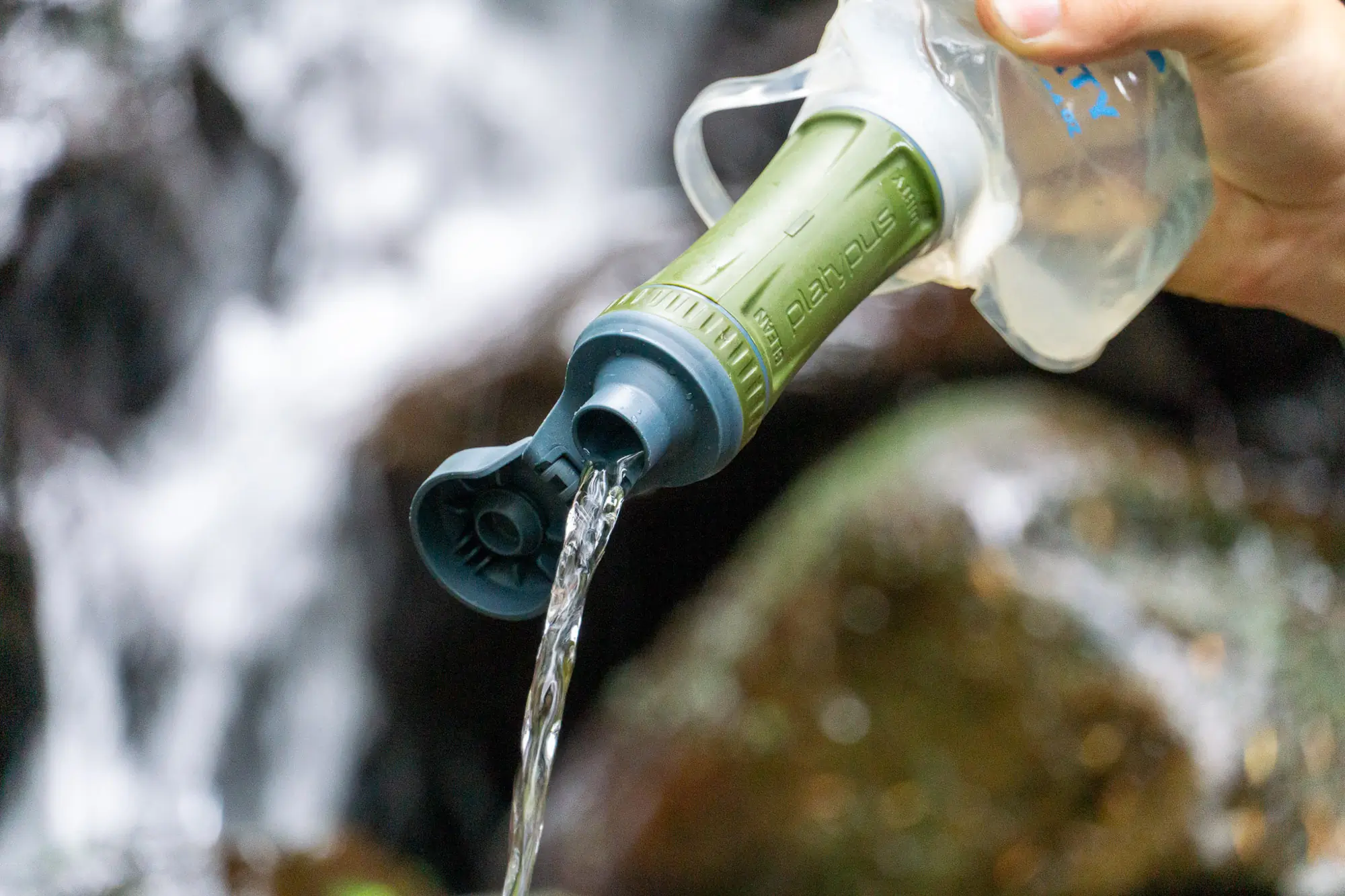
Credit: gearjunkie.com
Advanced Survival Tips
Finding clean water in the wild is a big challenge. You must purify water to stay safe.
This guide shares advanced ways to purify water and keep it safe for drinking.
Improvised Distillation
Distillation removes many impurities by turning water into steam and then back to liquid.
You can make a simple distiller using materials found in nature or your gear.
- Dig a small hole in the ground and place a container in the center.
- Fill the hole around the container with wet plants or dirty water.
- Cover the hole with plastic or a tarp, sealing the edges with dirt.
- Place a small stone in the center of the plastic above the container.
- Sun heat will cause water to evaporate, then condense on the plastic.
- Condensed water drips on the stone and falls into the container.
Storage And Handling Of Purified Water
After purifying, store water in clean, sealed containers to avoid new contamination.
Keep water away from direct sunlight and heat to prevent bacteria growth.
- Use bottles or containers with tight lids.
- Label containers with the date of purification.
- Do not touch the inside of the lid or container opening.
- Keep water containers off the ground if possible.
- Replace stored water every few days if possible.

Credit: www.reddit.com
Frequently Asked Questions
How Can I Purify River Water In The Wild?
Boil the water for at least one minute. It kills harmful bacteria.
What Is The Best Natural Water Filter?
Sand and gravel filter can remove debris. It’s simple and effective.
Is Boiling Water Enough For Purification?
Yes, boiling kills most pathogens. It’s a reliable purification method.
Can I Use Plants To Filter Water?
Yes, some plants like cattails can filter water. But it’s not foolproof.
How Effective Are Portable Water Filters?
Portable filters are great for removing bacteria. Easy to carry and use.
Conclusion
Purifying water in the wild keeps you safe and healthy. Always choose clear water sources when possible. Boiling, filtering, or using purification tablets work well. Each method removes harmful germs and dirt. Carry the right tools before your trip. Practice these steps to avoid sickness outdoors.
Clean water means better energy and focus. Stay prepared, stay hydrated, and enjoy nature fully. Water safety is key to a great adventure.