

Last Updated on June 17, 2026
Are you ready to face unexpected situations with confidence? Having the right survival gear can make all the difference when things don’t go as planned.
Whether you’re new to outdoor adventures or just want to be prepared for emergencies, knowing what essential tools to pack is key to staying safe and calm. You’ll discover simple, must-have items that fit perfectly into your survival kit. Keep reading, because being prepared starts with the right gear—and your safety depends on it.
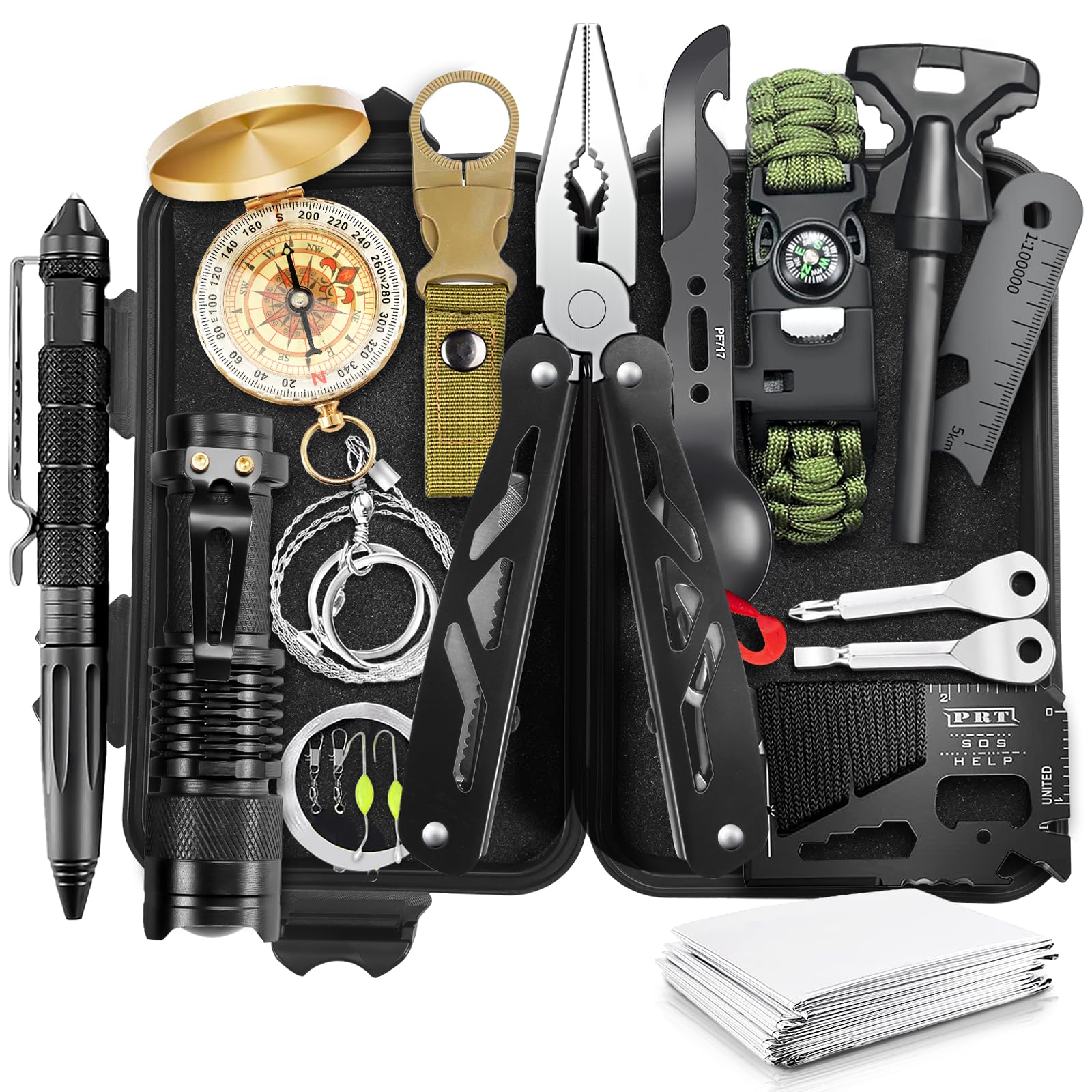
Credit: www.amazon.ca
Basic Safety Tools
When starting with survival gear, safety is the top priority. Basic safety tools help you handle emergencies.
These tools keep you safe and prepared for many situations outdoors or at home.
First Aid Kit
A first aid kit treats minor injuries quickly. It stops bleeding and prevents infection.
Include bandages, antiseptic wipes, and pain relievers. Keep the kit easy to carry and check it often.
- Adhesive bandages in different sizes
- Antiseptic wipes and ointments
- Sterile gauze pads and tape
- Pain relief medicine like ibuprofen
- Tweezers and scissors
- Disposable gloves
Multi-tool And Knife
A multi-tool and a knife are useful for many tasks. They help you cut, open, and fix things.
Choose a durable knife with a sharp blade. A multi-tool should have pliers, screwdrivers, and a blade.
- Sharp folding knife
- Multi-tool with pliers and screwdrivers
- Sturdy handle for a good grip
- Compact and easy to carry
Fire Starters
Fire starters are essential for warmth and cooking. They help you start a fire quickly in tough conditions.
Carry waterproof matches, a lighter, or a fire steel. Practice using them to be ready when needed.
- Waterproof matches or matchbook
- Windproof lighter
- Fire steel or ferrocerium rod
- Small pieces of dry tinder

Credit: trueprepper.com
Shelter And Warmth
Having the right shelter and warmth gear is key for any beginner survivalist. These items protect you from weather and help keep your body temperature steady.
Without proper shelter and warmth, you risk getting sick or injured. It is important to know the basics before heading outdoors.
Tents And Tarps
Tents provide a strong shelter from rain, wind, and bugs. They come in many sizes and designs to fit your needs.
Tarps are lightweight and easy to carry. You can use them to build simple shelters or add extra protection over tents.
- Tents protect well against weather and insects
- Tarps offer flexible shelter options
- Choose waterproof and durable materials
- Practice setting up before your trip
Sleeping Bags
Sleeping bags keep you warm by trapping your body heat inside. They come with different temperature ratings for various climates.
Pick a sleeping bag that matches the coldest weather you expect. A good sleeping bag also feels comfortable and fits your size.
- Look for temperature ratings on sleeping bags
- Mummy bags hold heat better than rectangular ones
- Choose lightweight bags for easy carrying
- Use sleeping pads for extra insulation
Thermal Blankets
Thermal blankets are compact and reflect body heat back to you. They help in emergencies or when your sleeping bag is not enough.
These blankets are light and easy to carry. Keep one in your survival kit for extra warmth or signaling help.
- Also called space blankets or emergency blankets
- Reflect up to 90% of body heat
- Can be used as ground cover or rain shelter
- Keep one in your pack for emergencies
Food And Water Supplies
Having enough food and water is key for survival. Beginners should plan carefully to stay safe.
Choosing the right supplies helps you stay healthy and strong during emergencies.
Water Filters And Purifiers
Clean water is essential to prevent sickness. Water filters remove dirt and bacteria.
Purifiers kill viruses and germs that filters might miss. Carry both for safety.
- Portable water filters are light and easy to use
- Water purification tablets kill viruses
- Boiling water is a good backup method
- Choose products tested for harmful germs
Non-perishable Food
Non-perishable foods last long without refrigeration. They provide energy and nutrients.
Store foods that are easy to prepare and eat in emergencies.
- Canned beans and vegetables
- Dry rice and pasta
- Nut butters and honey
- Protein bars and dried fruits
- Powdered milk or drink mixes
Portable Cooking Gear
Portable cooking gear helps you prepare food safely outdoors. It saves fuel and time.
Look for lightweight and easy-to-use stoves or cook sets for survival kits.
- Small camping stoves with fuel canisters
- Compact pots and pans
- Lightweight utensils and plates
- Windshields for efficient cooking
- Fire starters or waterproof matches
Navigation And Communication
Good navigation and communication tools are key for survival. They help you find your way and call for help.
Beginners should choose simple, reliable gear to stay safe outdoors.
Maps And Compasses
Maps show the area you are in and important landmarks. A compass helps you know which way to go.
Learn to read maps and use a compass before going out. They do not need batteries and work anywhere.
- Use topographic maps for detailed land features
- Keep the compass level to get accurate directions
- Practice orienting the map with the compass
Gps Devices
GPS devices use satellites to show your exact location. They can guide you on trails and paths.
Carry extra batteries or a power bank. GPS works best with a clear view of the sky.
- Simple GPS units are easy to use
- Some GPS devices have built-in emergency signals
- Download maps to use offline
Emergency Whistles
An emergency whistle helps you call for help when you are lost or hurt. It can be heard far away.
Whistles are small and light. Carry one attached to your backpack or clothes.
- Use three short blasts as a distress signal
- Blow loudly and repeat if needed
- Keep the whistle clean and easy to reach

Credit: www.youtube.com
Frequently Asked Questions
What Is The Most Essential Survival Gear For Beginners?
A reliable knife is crucial. It’s versatile. Useful for cutting, preparing food, and protection.
Why Should Beginners Carry A Water Filter?
Clean water is vital. Filters remove harmful bacteria. Safe drinking water prevents illness and dehydration.
How Important Is A First Aid Kit In Survival Gear?
Very important. It treats injuries quickly. Prevents infections. Essential for any outdoor adventure.
What Type Of Shelter Is Best For Beginners?
A simple tent. Easy to set up. Provides protection from weather. Keeps you dry and warm.
Should Beginners Invest In A Fire Starter?
Yes, absolutely. Fire starters ignite easily. Essential for warmth, cooking, and signaling for help.
Conclusion
Survival gear helps you stay safe in tough situations. Start with basic tools like a knife, water, and fire starter. Practice using your gear often to feel ready. Choose items that are easy to carry and use. Always check your gear before any trip or hike.
Being prepared can make a big difference. Keep learning and improving your skills. Remember, simple gear and smart choices keep you safe. Stay calm and ready for anything. Survival is about being smart and careful every day.