

Last Updated on June 17, 2026
Imagine facing an emergency without a plan. Scary, right?
Whether it’s a sudden storm, power outage, or any unexpected event, being prepared can make all the difference. This guide on Emergency Preparedness for Beginners is designed just for you. It will show you simple, clear steps to keep yourself and your loved ones safe.
You don’t need special skills or a lot of time—just the right knowledge. Keep reading, and you’ll discover how easy it is to be ready for whatever comes your way. Your peace of mind starts here.
Basic Emergency Supplies
Being ready for an emergency helps keep you safe. Basic supplies make it easier to handle problems.
Start with simple items you can use in many situations. This guide covers the most important supplies.
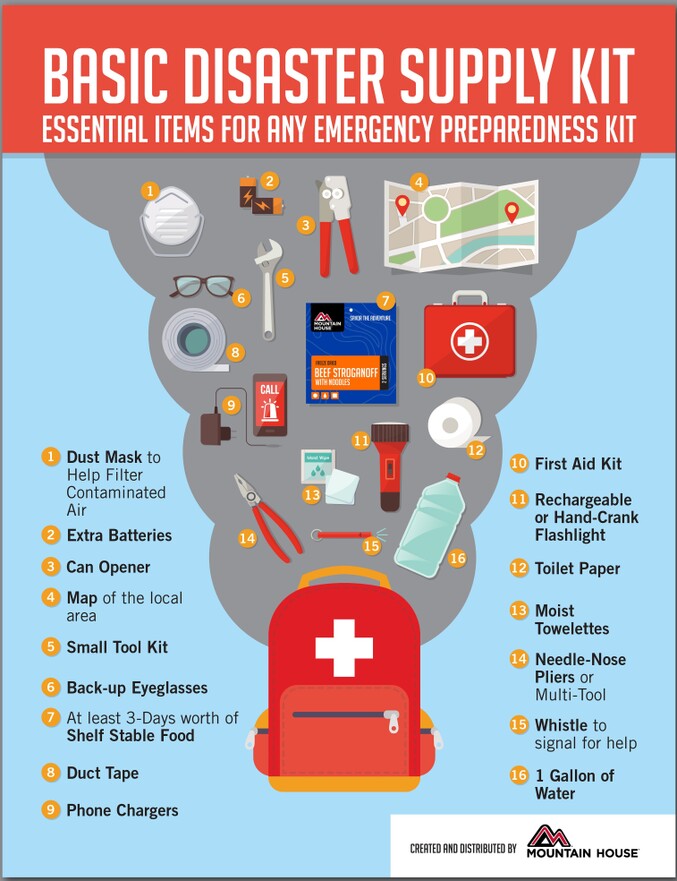
Essential Items For Your Kit
Your emergency kit should have items for survival and comfort. Choose things that last and work well.
- Flashlight with extra batteries
- Multi-tool or pocket knife
- Whistle to signal for help
- Battery-powered or hand-crank radio
- Matches or lighter in a waterproof container
- Blanket or sleeping bag
- Extra clothes and sturdy shoes
Food And Water Storage
Store enough food and water for at least three days. Pick foods that do not spoil quickly.
Water is the most important supply. Keep clean water in sealed containers.
- Water: One gallon per person per day
- Non-perishable foods: canned goods, dried fruits, nuts
- Manual can opener for canned foods
- Energy bars and ready-to-eat meals
- Keep food in a cool, dry place
First Aid Essentials
A first aid kit helps you treat injuries fast. Include supplies for cleaning and dressing wounds.
Check your kit regularly. Replace used or expired items to keep it ready.
- Adhesive bandages of different sizes
- Antiseptic wipes and ointments
- Gauze pads and adhesive tape
- Scissors and tweezers
- Pain relievers like ibuprofen or acetaminophen
- Disposable gloves
- CPR face shield or mask

Credit: www.manuelfally.com
Creating A Family Plan
Having a family plan helps everyone stay safe during emergencies. It gives clear steps for all family members to follow.
Planning ahead reduces confusion and fear. Every family should prepare for different types of emergencies.
Communication Strategies
Decide how your family will communicate if you are apart. Choose reliable ways to stay in touch.
Use simple signals and backup methods. Phones might not always work, so plan alternatives.
- Pick a main contact person outside your area
- Use text messages to save battery and signal
- Agree on simple codes for quick messages
- Keep a list of important phone numbers
- Practice communication during drills
Meeting Points And Routes
Choose safe places for your family to meet after an emergency. Have more than one meeting point.
Plan routes to these places from different locations. Know the safest ways to get there.
- Pick a spot near your home
- Choose a place outside your neighborhood
- Find a location near your child’s school
- Plan routes avoiding dangerous areas
- Practice going to meeting points regularly
Roles And Responsibilities
Assign clear roles to each family member. This helps everyone know what to do during an emergency.
Keep roles simple and age-appropriate. Make sure each person understands their tasks well.
- Who calls emergency services
- Who gathers emergency supplies
- Who checks on neighbors or pets
- Who helps younger children or elders
- Who keeps the family calm and informed
Home Safety Measures
Preparing your home for emergencies can protect you and your family. Simple safety steps can reduce risks.
Focus on securing your space, preventing fires, and planning emergency exits. These basics help keep everyone safe.
Securing Your Space
Lock doors and windows to stop unwanted entry. Use strong locks and check them often.
Keep valuable items out of sight. Clear clutter near doors and windows for quick escape if needed.
- Install deadbolt locks on all outside doors
- Use window locks or security bars
- Trim bushes near windows for better visibility
- Use motion-sensor lights outside your home
Fire And Carbon Monoxide Prevention
Install smoke detectors on every floor and near bedrooms. Test them monthly and change batteries yearly.
Use carbon monoxide detectors to find this invisible, deadly gas. Keep heaters and stoves clean and maintained.
- Check smoke detector batteries regularly
- Never leave cooking unattended
- Keep flammable materials away from heat sources
- Have chimneys and vents inspected yearly
Emergency Exits And Access
Know all exit points in your home. Make sure exits are easy to open and not blocked.
Create a clear path from rooms to outside. Teach family members where to meet after leaving the house.
- Check doors and windows open smoothly
- Keep keys accessible but safe
- Plan a meeting spot outside your home
- Practice emergency drills regularly
Credit: www.vermont211.org
Staying Informed
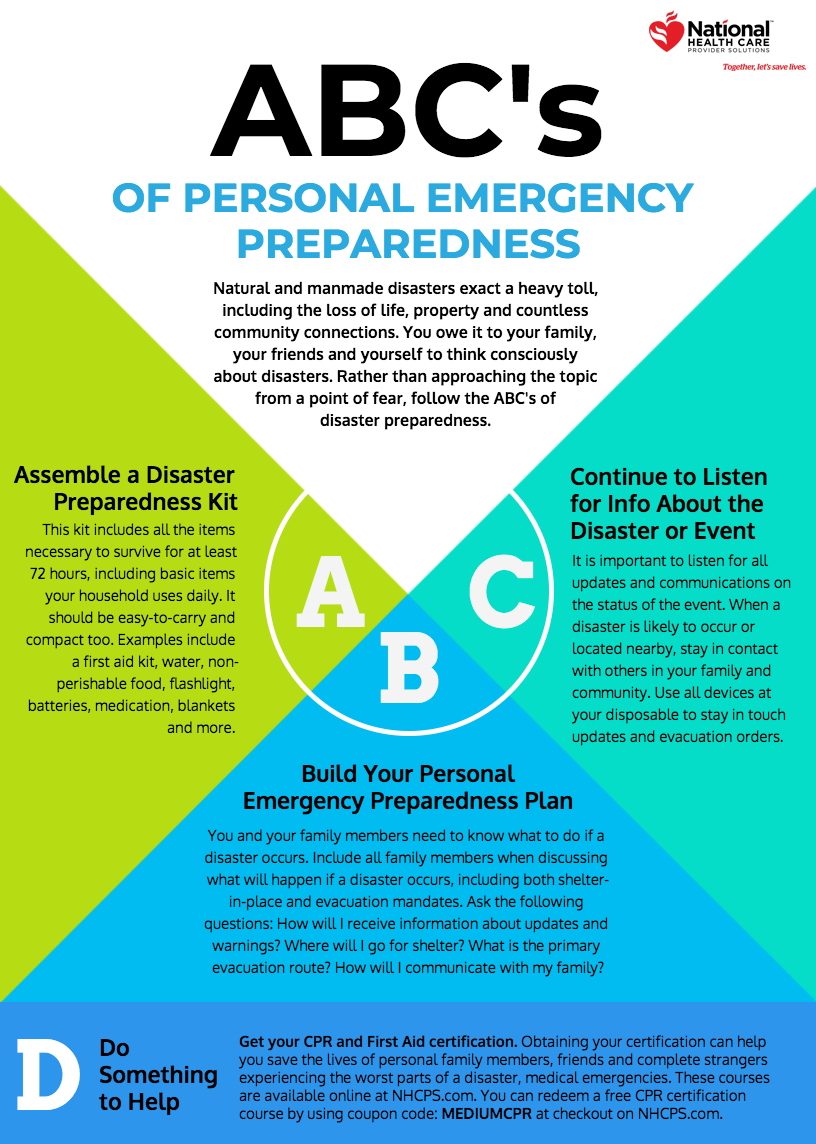
Being prepared for emergencies starts with staying informed. Knowing what is happening helps you make smart decisions. It can keep you and your family safe during a crisis.
There are many ways to get updates about weather, safety alerts, and community news. Use trusted sources and tools to stay aware at all times.
Weather Alerts And Warnings
Weather alerts tell you about dangerous weather like storms or floods. Warnings help you act fast to avoid harm. Pay attention to local weather reports and alerts from official agencies.
Use devices that can receive emergency alerts, such as smartphones or weather radios. Set up alerts to get notified immediately about severe weather near you.
- Watch for storm warnings and watches
- Learn the difference between alerts and warnings
- Use apps or weather radios for real-time updates
- Follow instructions from officials during alerts
Reliable Information Sources
Use trustworthy sources for emergency news. Official websites and government agencies provide accurate updates. Avoid rumors or unverified information during emergencies.
Check sources such as the National Weather Service, FEMA, or local emergency management offices. These sites offer clear and updated information you can trust.
- National Weather Service (NWS)
- Federal Emergency Management Agency (FEMA)
- Local government emergency pages
- Trusted news outlets with emergency coverage
Community Resources
Your community has resources to help during emergencies. Local shelters, fire departments, and health centers provide support. Know where to find them before a crisis happens.
Community groups often share alerts and safety tips. Join neighborhood watch programs or emergency response teams to stay connected and informed.
- Emergency shelters and their locations
- Local fire and police department contacts
- Community centers offering emergency aid
- Neighborhood programs for sharing alerts
Credit: medium.com
Frequently Asked Questions
What Is Emergency Preparedness?
Emergency preparedness means planning for unexpected situations. It involves gathering supplies and making a plan. Stay ready.
Why Is Emergency Preparedness Important?
It helps you stay safe during unexpected events. Being prepared reduces panic and confusion. Saves lives.
What Should Be In An Emergency Kit?
Include water, food, flashlight, and first aid supplies. Don’t forget batteries. Be ready.
How Often Should You Update Your Emergency Plan?
Review your plan every six months. Update contact information and supplies. Stay current.
What Are Basic Steps To Start Emergency Preparedness?
Identify risks, create a plan, and gather supplies. Practice your plan. Be proactive.
Conclusion
Being ready for emergencies helps protect you and your family. Start small with basic supplies and simple plans. Practice your plan often to feel confident and calm. Stay informed about risks in your area. Emergency preparedness is a step-by-step process anyone can follow.
Taking action today makes a big difference tomorrow. Safety begins with you. Keep learning and improving your readiness. Peace of mind is worth the effort. Stay safe, stay prepared.