

Last Updated on June 17, 2026
Imagine facing an unexpected emergency right in the middle of your city. Do you know what to do?
Your safety could depend on quick thinking and smart moves. This article gives you simple survival hacks designed specifically for urban environments. By learning these tips, you’ll be ready to protect yourself and your loved ones when it matters most.
Keep reading to discover practical skills that could make all the difference in a crisis. Your safety starts here.
Urban Safety Basics
Living in a city means facing unique safety challenges. Knowing how to protect yourself is important.
This guide covers basic tips to stay safe in urban areas. You will learn how to spot danger and prepare yourself.
Identifying High-risk Areas
Some parts of a city have higher crime rates than others. Avoiding these places can reduce your risk.
Look for signs like poor lighting, broken streetlights, and abandoned buildings. Trust your instincts if a place feels unsafe.
- Poorly lit streets and alleys
- Areas with frequent police activity
- Vacant or rundown buildings
- Places known for drug use or dealing
- Isolated parks or subway stations at night
Personal Safety Gear
Carrying the right safety gear can help protect you. Choose items that are easy to carry and use.
Common safety gear includes personal alarms, flashlights, and pepper spray. Make sure you know how to use each item properly.
- Personal alarm to draw attention
- Small flashlight for dark areas
- Pepper spray for self-defense
- Phone with emergency contacts saved
- Reflective clothing for night visibility
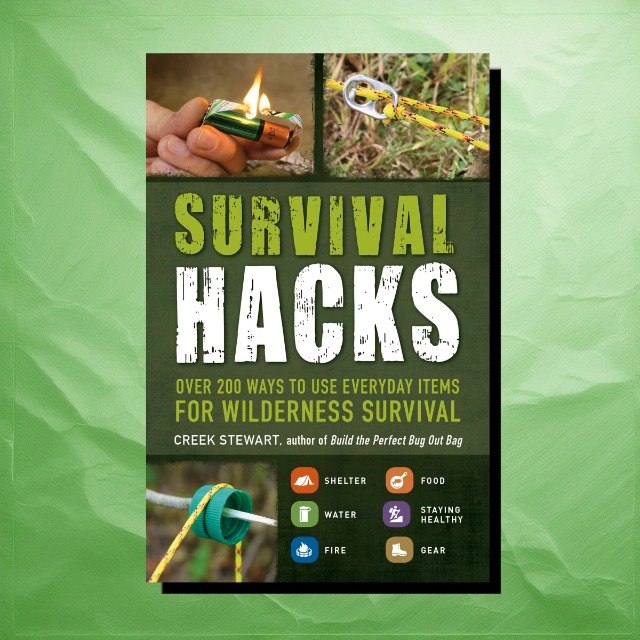
Credit: www.amazon.com
Emergency Preparedness
Living in a city means facing unique challenges during emergencies. Preparing ahead can help you stay safe and calm.
Emergency preparedness means having plans and supplies ready for unexpected events. It reduces stress and improves your chances of staying safe.
Creating A Go-bag
A go-bag is a small, portable kit with essential items you need to survive. Keep it ready for quick evacuation or emergencies.
Pack your go-bag with basic supplies that cover food, water, and safety. Change items regularly to keep them fresh.
- Water: At least one liter per person for 24 hours
- Non-perishable food like energy bars or canned goods
- First aid kit with bandages, antiseptics, and medications
- Flashlight with extra batteries
- Copies of important documents and cash
- Basic tools such as a multi-tool and whistle
- Extra clothes and sturdy shoes
- Personal hygiene items
- Face masks and hand sanitizer
Communication Plans
Having a communication plan helps you stay connected with family and friends during emergencies. It avoids confusion and worry.
Decide on safe meeting places and ways to contact each other if phone networks fail. Share your plan with everyone in your group.
- Choose a primary and backup contact person outside your city
- Agree on a common meeting location near your home and outside your neighborhood
- Use text messages or social media to save phone lines for emergencies
- Keep a list of important phone numbers in your go-bag
- Practice your communication plan regularly with family or roommates
Self-defense Techniques
Self-defense is important for staying safe in cities. Knowing simple moves can help protect you from harm.
Using everyday items around you can also give you an advantage in dangerous situations. Practice these skills often.
Basic Physical Moves
Start with simple moves like blocking and striking. These can stop an attacker quickly.
Focus on moves that use your body weight and strength to your advantage. Aim for sensitive areas to stop threats fast.
- Use your palms to push the attacker’s face or chest
- Strike the nose or throat with your fingers or fist
- Kick the shins or knees to disrupt balance
- Learn to break free from wrist grabs by twisting your arm
- Keep your stance balanced and ready to move
Using Everyday Objects
Many objects can act as tools for defense. Carry items that can protect you without drawing attention.
Use things like keys, pens, or bags to create distance or distract an attacker.
- Hold keys between your fingers to increase punching power
- Use a pen to jab at sensitive areas like eyes or throat
- Swing a bag or backpack to hit or block
- Use a rolled-up magazine to strike or push away
- Throw small objects to create a distraction and escape

Credit: www.youtube.com
Resource Management
Managing resources is key to surviving in a city. Knowing how to save and use water and food helps keep you safe.
Urban areas have many resources. Learning how to find and use them wisely improves your chances in tough situations.
Water And Food Storage
Store water in clean, sealed containers. Keep enough for at least three days per person.
Food should be non-perishable and easy to prepare. Canned goods, dried fruits, and nuts are good choices.
- Use airtight containers to keep food fresh
- Label storage dates to avoid spoilage
- Rotate your stock regularly
- Store water in cool, dark places
- Keep some water purification tablets handy
Navigating Urban Resources
Look for public water sources like fountains or taps. Check for places that offer free food or supplies.
Use maps and signs to find stores, shelters, and help centers. Stay alert to changes in the environment.
- Learn locations of water sources nearby
- Identify safe food distribution points
- Use public transportation routes carefully
- Keep a list of emergency contacts
- Watch for community aid programs

Credit: premierbodyarmor.com
Frequently Asked Questions
What Are Essential Items For Urban Survival?
Carry a flashlight, multi-tool, first aid kit, and water bottle. These are vital in emergencies.
How To Find Safe Shelter In The City?
Look for public buildings or community centers. They offer safety and resources during crises.
How To Purify Water In Urban Areas?
Use portable water filters or purification tablets. They’re effective for cleaning unsafe water.
How To Stay Informed During A City Emergency?
Listen to local radio or use emergency apps. They provide real-time updates and alerts.
What Is The Best Way To Signal For Help?
Use a whistle or flashlight to attract attention. They’re effective for signaling in crowded areas.
Conclusion
Urban survival needs smart thinking and quick action. Keep essential tools close and know your city well. Stay calm and observe your surroundings carefully. Practice these simple hacks daily to build confidence. Challenges will come, but you can handle them.
Being ready makes all the difference. Stay safe and stay aware in your urban world.