

Last Updated on June 17, 2026
Imagine facing an emergency right where you live—in the busy streets and crowded buildings of your city. Are you ready to protect yourself and your loved ones?
Urban areas come with unique challenges during emergencies, but with the right preparation, you can stay safe and calm no matter what happens. This article will give you simple, practical tips to build your own emergency plan quickly and effectively.
Keep reading to discover how small steps today can make a big difference when every second counts. Your safety starts here.
Risk Factors In Cities
Urban areas have many risks that can cause emergencies. High population and dense buildings increase danger.
Knowing these risks helps people prepare better. Emergency plans must consider city-specific problems.
Common Urban Emergencies
Cities face many emergencies like fires, floods, and power outages. Traffic accidents and crime also happen often.
Natural disasters such as earthquakes or storms can damage many buildings and disrupt services.
- Building fires
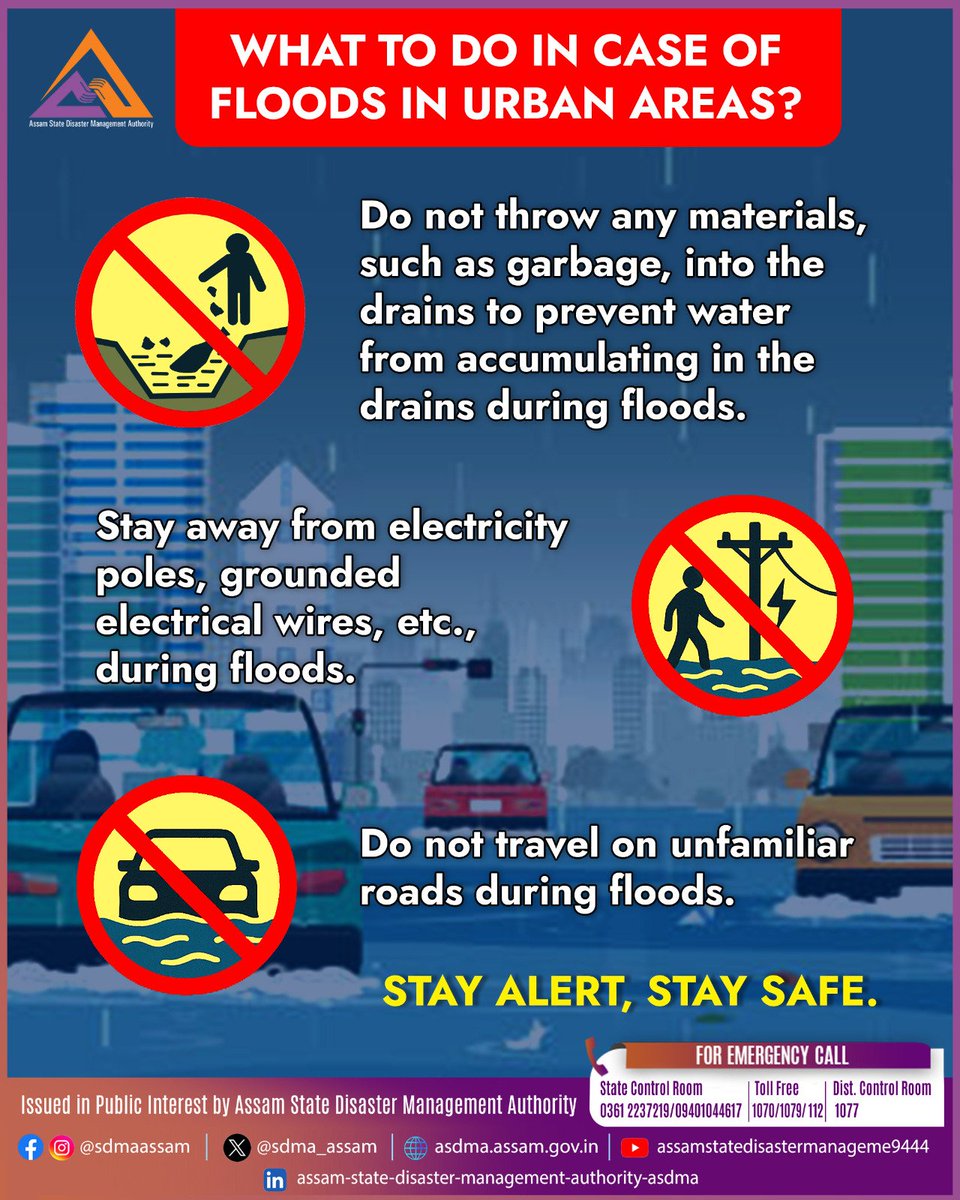
- Flooding from storms or broken pipes
- Power failures
- Traffic accidents
- Crime and violence
- Earthquakes
- Public health emergencies
Unique Challenges Of Urban Settings
Urban areas have narrow roads and crowded spaces. This makes evacuation and rescue harder.
High-rise buildings and underground tunnels add complexity. Utilities like water and electricity can fail in large areas.
- Traffic congestion slows emergency vehicles
- Many people in small areas increase risks
- Complex building layouts confuse responders
- Limited open spaces for shelters
- Dependence on public transport
- Communication can be disrupted by damage

Credit: delillefield.com
Creating An Emergency Plan
Living in a city means you must be ready for emergencies. A good plan helps keep your family safe.
Start by thinking about what could happen and how you will respond. This plan guides your actions during a crisis.
Family Communication Strategies
Talking with your family about emergencies is important. Make sure everyone knows how to reach each other.
Choose a way to communicate that works even if phones don’t work well. Write down phone numbers and addresses.
- Pick one family member as a main contact outside the city
- Use text messages or social media if calls fail
- Practice your plan so everyone remembers it
Evacuation Routes And Meeting Points
Know the safest ways to leave your home and city. Plan several routes in case one is blocked.
Pick places where your family can meet after leaving. Make sure these spots are easy to find and safe.
- Find two or three routes from your home to safe areas
- Choose a nearby meeting spot outside your building or neighborhood
- Pick a second meeting place far from home in case you cannot return
- Share these locations with all family members
Essential Emergency Supplies
Being ready for emergencies is very important in cities. Having the right supplies can keep you safe and calm.
Good emergency supplies help you manage during power outages, storms, or other urgent events.
Building A Go-bag
A go-bag is a small kit with items you need if you must leave quickly. It should be easy to carry.
Pack things that help you stay safe and healthy for at least 72 hours.
- Bottled water (1 gallon per person per day)
- Non-perishable snacks like energy bars
- Flashlight with extra batteries
- First aid kit with medicines
- Copies of important documents
- Portable phone charger
- Whistle to signal for help
- Change of clothes and sturdy shoes
- Face mask and hand sanitizer
Stocking Your Home Kit
Your home kit should have enough supplies for all family members to last several days. Keep it in one place.
Check your supplies regularly and replace expired items to stay prepared.
- Water (one gallon per person per day for three days)
- Non-perishable food for at least three days
- Battery-powered or hand-crank radio
- Extra batteries for all devices
- First aid kit with bandages and medicines
- Multi-purpose tool or knife
- Blankets or sleeping bags
- Personal hygiene items
- Cash in small bills
- Local maps
Credit: x.com
Community Resources And Support
Living in a city means being close to many people and services. In emergencies, these resources help keep everyone safe.
Knowing what support is nearby can make a big difference. Communities work together to prepare for and handle emergencies.
Local Emergency Services
Local emergency services include police, fire departments, and medical teams. They respond quickly to accidents, fires, and health crises.
These services offer training and information to help residents prepare. You can learn first aid or fire safety from them.
- Police: Keep order and help during crimes or threats
- Fire Department: Fight fires and rescue people
- EMS (Emergency Medical Services): Provide urgent medical care
- Disaster Response Teams: Manage natural or man-made disasters
Neighborhood Preparedness Groups
Neighborhood groups bring residents together to prepare for emergencies. They share information and support each other.
These groups often organize drills and supply sharing. Joining one helps you know your neighbors and stay ready.
- Plan safe meeting spots for emergencies
- Share emergency kits and tools
- Teach basic first aid and safety skills
- Communicate updates during disasters

Credit: survivalcommonsense.com
Frequently Asked Questions
What Are Basic Emergency Supplies For Urban Areas?
Basic supplies include water, food, flashlight, batteries, first aid kit, and important documents.
How Can I Create An Emergency Plan For My Family?
Identify safe spots, establish meeting points, and discuss communication methods. Practice the plan regularly.
Why Is It Important To Stay Informed During Emergencies?
Staying informed helps you make quick, safe decisions. Follow local news and alerts for updates.
How Can I Ensure Communication During An Emergency?
Keep extra phone batteries. Use text messages or apps to communicate with family and friends.
What Are Common Urban Emergency Scenarios?
Power outages, floods, fires, and transportation disruptions are common urban emergencies. Be prepared for these situations.
Conclusion
Staying safe in cities needs smart planning and quick action. Keep emergency supplies ready and know your escape routes. Stay informed about local risks and alerts every day. Practice your plan with family and neighbors often. Small steps build strong safety habits over time.
Being prepared helps reduce fear and confusion during crises. Urban life can be busy, but safety must come first. Make emergency readiness a part of your daily routine. Your quick response can protect lives and property. Stay calm, stay ready, and stay safe always.