

Last Updated on June 17, 2026 by Blake Turner
When you find yourself deep in the wilderness, having the right shelter can make all the difference between comfort and struggle. Knowing which survival shelter type suits your situation can keep you safe from harsh weather, insects, and wild animals.
Whether you’re a seasoned adventurer or just starting out, understanding these shelters empowers you to protect yourself and stay calm in any emergency. Ready to discover the best ways to build your own safe haven in the wild? Keep reading—your survival could depend on it.
Natural Shelters
Natural shelters use the environment to protect you from weather. They are important in the wild when you need quick cover.
These shelters can save energy and keep you safe from cold, wind, or rain.
Caves And Rock Overhangs
Caves and rock overhangs offer solid shelter from rain and wind. They are often dry and shield you from cold.
Use caution with caves. Check for animals and unstable rocks before entering. A good cave can be a safe resting spot.
- Look for dry ground inside the cave
- Check for signs of animals
- Stay away from loose rocks
- Avoid deep caves without proper gear
Fallen Trees And Dense Foliage
Fallen trees can create natural walls and roofs. Their branches block wind and rain effectively.
Dense foliage, like thick bushes, can hide you and provide insulation. Use leaves and branches to build a cozy shelter.
- Place leaves or pine needles on the ground for comfort
- Use branches to build a frame
- Cover the frame with leaves or bark for rain protection
- Pick spots with thick bushes to block wind

Credit: www.youtube.com
Man-made Shelters
Man-made shelters are built by people to protect themselves in the wild. They use natural materials found nearby.
These shelters keep you safe from wind, rain, and cold. They also help conserve body heat.
Lean-tos And Debris Huts
Lean-tos are simple shelters made by leaning branches against a support. They form a slanted roof.
Debris huts use leaves, grass, and branches to cover a frame. This layer keeps you warm and dry.
- Lean-tos need a strong support like a tree or fallen log
- Debris huts require thick layers of insulation
- Both shelters should face away from the wind
- Use dry materials to avoid moisture inside
Snow Caves And Igloos
Snow caves are made by digging into deep snow. They create a warm space inside the cold snow.
Igloos are built by stacking blocks of hard snow in a dome shape. They trap body heat well.
- Snow caves protect from wind and cold air
- Igloos must be carefully shaped to avoid collapse
- Both need ventilation holes for fresh air
- Use snow that is firm but easy to cut
Improvised Shelters
Improvised shelters are made from materials found in nature or carried items. They help protect from wind, rain, and cold.
These shelters do not need special tools. You can build them quickly using simple materials around you.
Tarp And Plastic Sheet Shelters
Tarp or plastic sheets are light and easy to carry. They create a simple shelter from rain and wind.
You can tie a tarp between trees or use sticks to hold it up. Angle it to let water run off.
- Use strong rope or cords to tie the tarp
- Make sure the shelter is tight to stop water leaks
- Build on dry, flat ground to stay comfortable
- Add leaves or branches under the tarp for extra insulation
Using Branches And Leaves
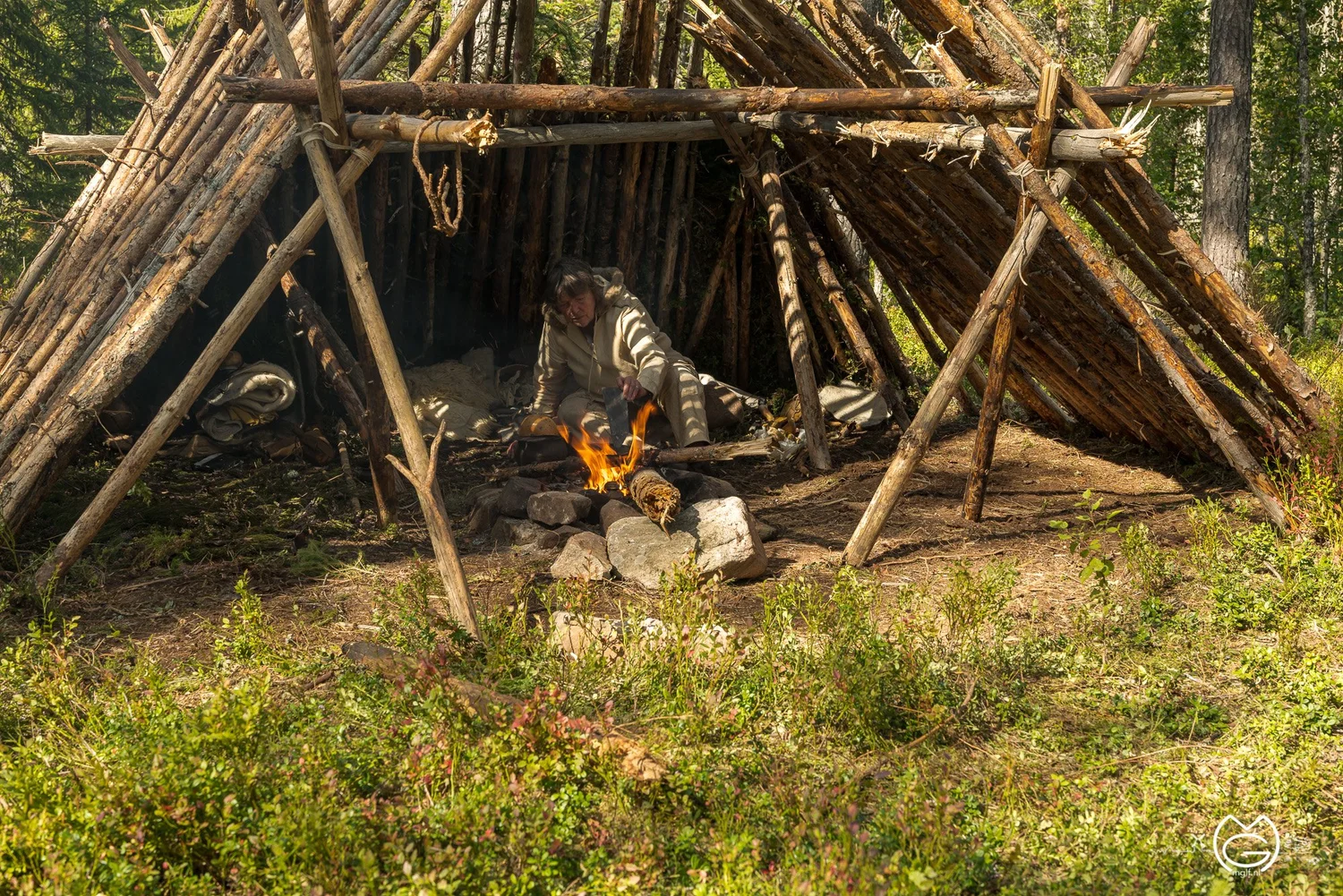
Branches and leaves are common natural materials for shelter. They can block wind and keep you dry.
Start by making a frame with strong branches. Then cover it with layers of leaves or smaller branches.
- Choose long, sturdy branches for the frame
- Cover the frame thickly with leaves to stop rain
- Use dry leaves to keep warmth inside
- Build the shelter near natural windbreaks like rocks or bushes
Credit: www.mercattoria.com.br
Shelter Location Tips
Finding the right place to build a shelter is very important in the wilderness. The location affects your safety and comfort.
Good shelter location helps protect you from weather and animals. It also keeps you dry and warm.
Choosing Safe Ground
Select flat ground that is not too low or too high. Avoid places where water collects after rain.
Check the area for loose rocks or dead branches that might fall. Clear sharp objects before setting up.
- Pick dry, level spots away from rivers or streams
- Avoid areas below cliffs or unstable slopes
- Look for natural windbreaks like bushes or trees
- Remove sticks, rocks, and debris from the site
Protection From Elements
Use natural features to block wind and rain. Trees, rocks, and hills can shield your shelter.
Build your shelter entrance away from the wind direction. This keeps cold air and rain out.
- Face the shelter entrance away from strong winds
- Use leaves or branches to add insulation and cover
- Choose spots with good sunlight for warmth
- Keep shelter off wet ground using logs or stones

Credit: trueprepper.com
Frequently Asked Questions
What Is The Best Wilderness Survival Shelter?
The lean-to is a great choice. It’s simple. Uses few materials. Provides good protection.
How Do You Build A Debris Hut?
Collect sticks and leaves. Pile them to form a small tent. Insulate with leaves.
Why Choose A Snow Cave Shelter?
Snow caves insulate well. Maintain warmth. Protect against wind. Safe if built correctly.
Can A Tarp Shelter Protect Me?
Yes, it can. Tarps are lightweight. Easy to set up. Provide rain protection.
What Materials Are Needed For A Natural Shelter?
Use branches, leaves, and dirt. Sturdy sticks form the structure. Leaves and dirt insulate.
Conclusion
Choosing the right shelter can save your life in the wild. Each type fits different weather and locations. Simple designs can offer great protection and warmth. Practice building shelters before you need one. Stay safe and respect nature around you.
Remember, preparation is key for any outdoor adventure. Keep learning and improving your survival skills daily. Your safety depends on your knowledge and actions.