

Last Updated on June 17, 2026 by Blake Turner
Imagine your child facing an unexpected situation outdoors. Would they know what to do?
Teaching survival skills to kids isn’t just about adventure—it’s about giving your child confidence, safety, and independence. You’ll discover simple, practical skills that your child can learn easily. These skills might one day make a big difference. Ready to empower your child with knowledge that lasts a lifetime?
Keep reading.
Basic Safety Rules
Teaching kids survival skills is important. Basic safety rules help them stay safe in different situations. These skills can protect them at home and outdoors.
Understanding danger, being aware of strangers, and knowing safe zones are crucial. Let’s explore these topics to ensure kids can handle themselves safely.
Recognizing Danger
Kids should learn to spot danger signs. This helps them avoid risky situations. Teach them to trust their instincts if something feels wrong.
Explain different situations where danger might be present. For example, they should be cautious around busy roads and unknown animals.
- Look for warning signs like “Danger” or “Caution”
- Stay away from broken equipment or structures
- Be alert in unfamiliar places
Stranger Awareness
Stranger awareness is key for kids’ safety. They need to know who they can trust. Teach them to be careful around people they don’t know.
Discuss the importance of not sharing personal information. Kids should also know how to seek help from trusted adults.
- Never accept gifts from strangers
- Do not go anywhere with someone you don’t know
- Always tell an adult if a stranger approaches
Safe Zones At Home And Outdoors
Safe zones are places where kids can feel secure. At home, these might include their room or a designated meeting spot. Outdoors, safe zones could be a friend’s house or a school.
Help kids identify these areas and understand why they are safe. This knowledge can give them confidence when they are alone.
| Safe Zones at Home | Safe Zones Outdoors |
| Bedroom | School |
| Living Room | Friend’s House |
| Kitchen | Community Center |
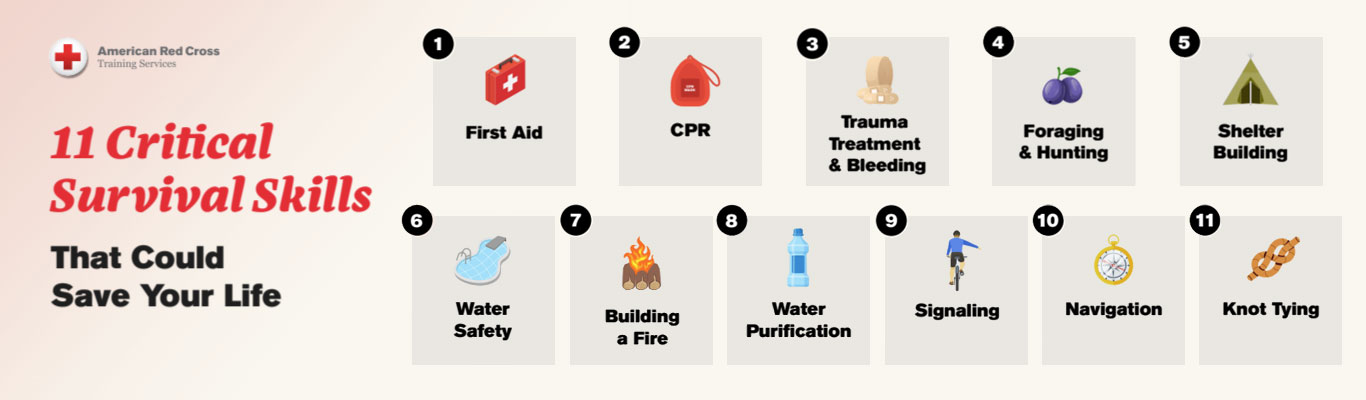
Credit: www.redcross.org
Emergency Preparedness
Kids should learn how to stay safe during emergencies. Knowing what to do helps them feel calm and ready.
Emergency preparedness teaches kids important skills. These skills can protect them and others around them.
Calling For Help
Kids must know how to call for help in emergencies. They should learn to use a phone or ask an adult.
Teach kids to speak clearly and say their name, location, and the problem when calling 911 or emergency services.
- Stay calm and speak slowly
- Say your full name and address
- Explain the emergency clearly
- Listen carefully to the operator’s questions
- Follow the operator’s instructions
Memorizing Important Contacts
Kids should remember phone numbers of trusted adults. This helps if they cannot find help nearby.
Practice these numbers often so kids can say them from memory during an emergency.
- Parents or guardians
- Close family members
- Neighbors or family friends
- Emergency services (911 or local number)
Basic First Aid Skills
Kids should learn simple first aid to help themselves or others. This includes cleaning cuts and stopping bleeding.
Teach kids to stay safe, use clean cloths, and ask for adult help when needed.
- Wash hands before touching wounds
- Clean small cuts with water
- Cover wounds with a clean bandage
- Apply gentle pressure to stop bleeding
- Know when to get an adult or call for help
Navigating The Outdoors
Learning how to find your way outdoors is an important survival skill for kids. It helps them stay safe if they get lost during a hike or camping trip.
Kids should know simple ways to navigate using nature and keep themselves warm and hydrated. These skills build confidence and keep them safe in the wild.
Finding Your Way Back
Always try to remember the path you take. Look behind often to see where you came from. If you get lost, stop and think before moving.
Use the sun to help find directions. The sun rises in the east and sets in the west. You can also use a watch to find north during the day.
- Mark your trail by leaving small signs like rocks or sticks
- Follow streams or rivers downstream to find help
- Stay calm and stay put if you cannot find your way
Using Natural Landmarks
Natural landmarks help you know where you are. Look for tall trees, big rocks, or hills that stand out. These can guide you back.
Remember landmarks in order as you move. This makes it easier to follow your path back. Look around often to spot new landmarks.
- Use rivers or streams as natural guides
- Notice the shape of mountains or hills
- Pay attention to where the sun hits landmarks
Staying Warm And Hydrated
Keep your body warm by wearing layers of clothes. If you get wet, change into dry clothes quickly. Warmth helps you think clearly.
Drink water often to avoid getting thirsty or tired. Collect water from clean streams or rain. Avoid drinking dirty water without cleaning it.
- Wear hats and gloves to keep heat in cold weather
- Use a water bottle to carry fresh water
- Take small sips of water regularly

Credit: www.amazon.com
Building Confidence And Awareness
Teaching kids survival skills helps them feel strong and safe. These skills also make them more aware of their surroundings.
Confidence and awareness work together. When kids know what to do, they stay calm and alert in tough situations.
Role-playing Scenarios
Role-playing lets kids practice real-life situations safely. They learn how to react and solve problems step by step.
Try acting out scenarios like getting lost or facing a stranger. This builds their confidence to handle these moments.
- Practice asking for help politely
- Show how to find safe places
- Rehearse telling a trusted adult
Encouraging Observation
Observing means paying close attention to the environment. Kids notice details that can keep them safe.
Teach kids to watch for changes around them. This helps them spot danger early and make smart choices.
- Look for landmarks and signs
- Notice sounds and smells
- Watch how people behave
Practicing Calm Responses
Staying calm helps kids think clearly in emergencies. Practice ways to control fear and stress.
Teach deep breathing and counting to ten. These simple actions help reduce panic and improve focus.
- Take slow, deep breaths
- Count slowly to ten
- Use positive self-talk

Credit: www.amazon.com
Frequently Asked Questions
What Basic Survival Skills Should Kids Learn First?
Kids should learn how to find water, build a shelter, and stay safe outdoors.
How Can Kids Stay Safe If They Get Lost Outside?
They should stay calm, stay in one place, and call for help loudly.
What Simple First Aid Skills Are Important For Kids?
Knowing how to clean cuts, apply bandages, and recognize serious injuries helps.
How Do Kids Find Safe Drinking Water In Nature?
Look for clear running water like streams, and always boil or filter it.
Why Is Learning To Read A Map Important For Kids?
It helps kids understand directions and find their way back safely.
Conclusion
Teaching kids survival skills builds their confidence and safety. These skills help them stay calm and make smart choices. Practice simple activities often to keep skills sharp. Encourage curiosity and teamwork during learning time. Parents and teachers play a big role in guiding kids.
Small steps lead to strong knowledge over time. Every child can learn to be prepared for challenges. Start early and keep it fun and easy. Safety and awareness grow with practice and care.