

Last Updated on June 17, 2026 by Blake Turner
Imagine you are deep in the forest when suddenly, you see smoke and flames closing in. Your heart races, and every second counts.
Do you know what to do to keep yourself safe? Knowing the right survival tactics for a forest fire can make the difference between life and death. You’ll discover simple, clear steps to protect yourself if a wildfire strikes near you.
Stay with me—you might just save your life or someone else’s.

Credit: www.amazon.com
Recognizing Forest Fire Signs
Knowing the signs of a forest fire can save your life. Early recognition helps you act fast.
Look for changes in the environment that show a fire might be nearby. Stay alert to protect yourself.
Smoke And Flame Indicators
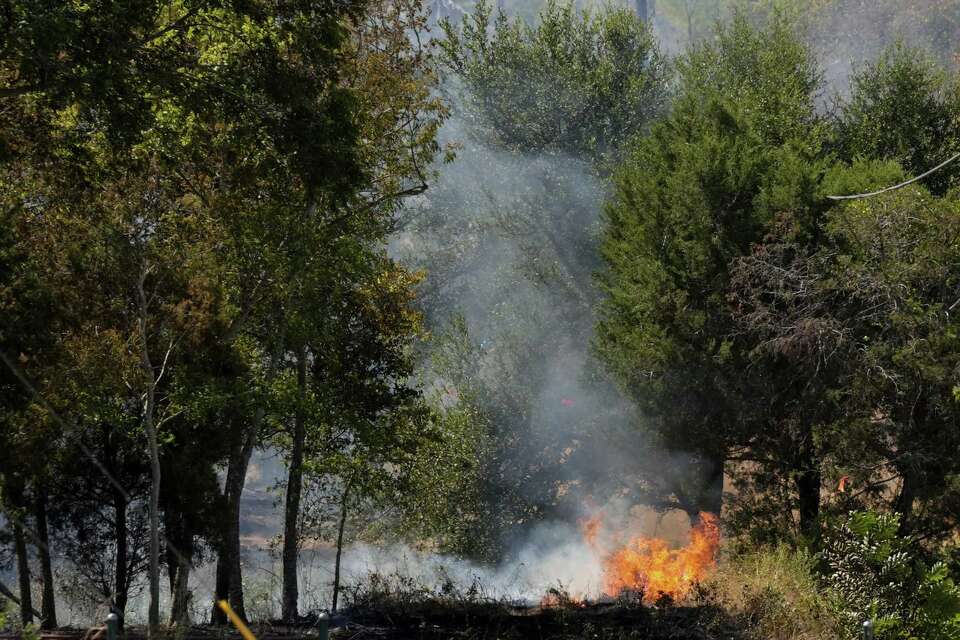
Smoke is often the first sign of a forest fire. Look for thick, dark smoke rising from the trees.
Flames may be visible if the fire is close. Watch for flickering orange or red lights through the forest.
- Dark smoke means a strong fire burning thick materials
- Light smoke can mean a smaller or distant fire
- Flames appear as bright spots or moving light in the woods
- Smoke that smells like burning wood is a warning sign
Wind Patterns And Fire Behavior
Wind can change how a forest fire spreads quickly. Watch the wind’s direction and speed.
Fire moves faster with strong winds. It can jump from tree to tree and cover large areas.
- Strong winds push smoke and flames in one direction
- Changing wind direction can cause fire to shift suddenly
- Watch for hot, dry winds that can fuel the fire
- Wind can carry burning embers far from the fire’s edge

Credit: www.udemy.com
Preparing Before A Fire
Forest fires can start quickly and spread fast. Preparing your home and family before a fire can save lives and property.
Knowing what to do early helps you stay safe and ready to act if a fire happens near you.
Creating Defensible Space
Defensible space is a clear area around your home. It helps stop fire from reaching your house.
Remove dry leaves, dead plants, and other flammable materials. Trim trees and bushes to keep branches away from your roof.
- Clear plants and debris within 30 feet of your home
- Keep grass cut short and watered
- Remove dead trees and branches
- Space trees at least 10 feet apart
- Use fire-resistant plants near your house
Emergency Kits And Evacuation Plans
Prepare an emergency kit with items you need to survive. Include food, water, and important documents.
Have an evacuation plan for your family. Know where to go and how to get there safely.
- Water for at least three days
- Non-perishable food items
- First aid kit and medications
- Flashlight and extra batteries
- Important papers and IDs
- Clothing and sturdy shoes
- Phone charger and emergency contacts
- Plan multiple evacuation routes
- Set a meeting place outside the fire area
- Practice your plan with family members
Actions During A Fire
Forest fires spread quickly and can be very dangerous. Knowing what to do during a fire can save your life.
Focus on staying calm and following safety steps. Act fast to protect yourself and others.
Safe Evacuation Techniques
Leave the area as soon as you hear about a fire. Do not wait for the fire to get close.
Use marked evacuation routes and avoid driving through heavy smoke or flames.
- Stay low to avoid smoke
- Keep a flashlight and phone with you
- Wear long sleeves and pants
- Drive slowly and watch for emergency vehicles
- Do not return until authorities say it is safe
Protecting Yourself From Smoke And Heat
Smoke can hurt your lungs and make it hard to breathe. Cover your nose and mouth with a cloth.
Find a safe place away from the fire and heat. Avoid standing near burning trees or hot objects.
- Use a wet cloth to cover your face
- Stay low to the ground to avoid smoke
- Wear protective clothing if possible
- Drink water to stay hydrated
- Move quickly but carefully to safety
Credit: www.statesman.com
Post-fire Safety Measures
After a forest fire, safety is the top priority. Fires can cause hidden dangers in the area.
Knowing how to stay safe helps prevent injuries and new fires. Follow these steps carefully.
Assessing Hazards And Damages
Check the area for dangers like fallen trees or unstable ground. These hazards can cause accidents.
Look for damaged power lines or broken gas pipes. Report these hazards to emergency services.
- Stay clear of damaged structures and trees
- Wear protective gear when inspecting the area
- Avoid walking on burned soil that may be weak
- Watch for smoke or hot spots that could flare up
- Call professionals for electrical or gas hazards
Preventing Future Fire Risks
Clear dead plants and dry leaves from your property to reduce fuel for fires. Keep the area tidy.
Create fire breaks by removing flammable materials around homes and important areas. This stops fire spread.
- Trim trees and bushes near buildings
- Store firewood away from homes
- Use fire-resistant plants in landscaping
- Keep gutters and roofs clean of debris
- Have an emergency plan ready for future fires
Frequently Asked Questions
What Should You Do First During A Forest Fire?
Stay calm. Assess your surroundings. Move away from the fire. Find an open area.
How Can You Protect Your Lungs From Smoke?
Use a damp cloth over your nose and mouth. Breathe through your nose.
What Items Are Essential In A Forest Fire Survival Kit?
Include water, a flashlight, a whistle, and a first aid kit. Pack light.
How Do You Find Safe Shelter In A Forest Fire?
Look for clearings or rocky areas. Avoid valleys. Stay low to the ground.
What Should You Avoid When Escaping A Forest Fire?
Avoid uphill paths. Fire moves faster uphill. Steer clear of dense vegetation.
Conclusion
Forest fires can spread fast and cause great harm. Staying calm helps you think clearly and act quickly. Always know your escape routes and plan ahead. Use water or dirt to slow the fire if trapped. Protect your breathing by covering your mouth with cloth.
Listen to official alerts and follow safety rules. Your safety depends on quick, smart actions. Being prepared can save lives and reduce damage. Remember these survival tactics to stay safe in a forest fire. Stay alert, stay safe, and help others if you can.