

Last Updated on June 17, 2026
Imagine this: you’re alone, miles from help, and the scorching sun beats down on endless sand all around you. Your water is running low, and every step feels heavier than the last.
What do you do next? Knowing how to survive when lost in the desert isn’t just useful—it could save your life. You’ll discover simple, practical tips that anyone can follow to stay safe and find your way out. Don’t wait until it’s too late—read on and prepare yourself to face the desert’s harsh challenges with confidence.

Credit: hemamaps.com
Desert Hazards
Deserts are tough places to survive. The harsh environment can cause many problems. Knowing the dangers helps you stay safe.
This guide covers common desert hazards. It explains how extreme temperatures, wildlife, and navigation can affect you.
Extreme Temperatures
Deserts have very hot days and very cold nights. The heat can cause dehydration and heat stroke. Cold nights can lead to hypothermia.
Wear light clothing during the day and keep warm at night. Drink water often to avoid dehydration.
- Day temperatures can reach over 100°F (38°C)
- Night temperatures can drop below freezing
- Sunburn and heat exhaustion are common risks
- Carry enough water and protect your skin
Wildlife Risks
Deserts have animals that can be dangerous. Snakes, scorpions, and spiders often hide under rocks or in sand.
Avoid touching plants or animals you do not know. Watch where you step and sleep to prevent bites or stings.
- Watch for venomous snakes like rattlesnakes
- Scorpions hide in shoes or clothing
- Some spiders can cause painful bites
- Keep your campsite clean and check gear daily
Navigational Challenges
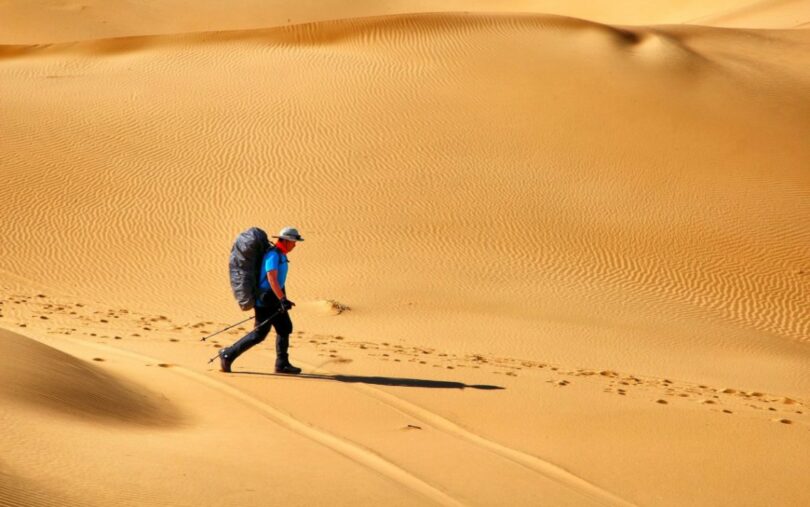
Deserts often lack clear landmarks. Sand dunes and rocks can look the same for miles. It is easy to get lost.
Use a compass or GPS device if possible. Mark your path and travel during cooler hours to avoid heat.
- Sun moves quickly, so use it to find direction
- Travel early morning or late afternoon
- Leave markers to find your way back
- Stay calm if you feel lost and conserve energy
Credit: survival-mastery.com
Water Sources
Finding water is very important if you are lost in the desert. Water keeps your body alive and helps you stay cool. Knowing where to find water can save your life.
In the desert, water is rare. You must look carefully and use smart ways to collect and save water. This guide will help you find and keep water.
Finding Natural Water
Look for signs of water like green plants or animal tracks. Water may be hidden underground or in shaded areas. Search dry riverbeds and rock crevices.
Dig in low spots where water might collect. Check under rocks and near trees. Sometimes water is trapped in small pools or puddles after rain.
- Check for green plants or bushes
- Follow animal tracks or bird flight paths
- Look in dry riverbeds and shaded areas
- Dig in low ground to find underground water
Collecting Dew And Condensation
Dew forms on plants and rocks early in the morning. You can collect it by wiping with cloth or plastic. Condensation can also be collected using simple tools.
Use a plastic sheet to trap moisture from the air. Place it over a small hole with a container underneath. The water will drip into the container as condensation.
- Wipe dew from leaves and rocks with cloth
- Stretch plastic sheet over a hole in the ground
- Put a container under the sheet to catch water drops
- Weight the sheet center with a small stone to collect drips
Water Conservation Techniques
Save water by drinking small amounts often. Avoid heavy exercise during the hottest hours to reduce sweating. Cover your skin to keep moisture inside your body.
Store water in clean containers and keep them in shade. Avoid eating salty foods that make you thirsty. Use water only for drinking, not washing or cooking.
- Drink small sips regularly
- Rest during hot midday hours
- Wear loose, light clothing to keep sweat low
- Keep water containers shaded and sealed
- Avoid salty foods to reduce thirst
Shelter And Protection
Being lost in the desert is dangerous. Shelter and protection are key to staying safe.
A good shelter shields you from heat, sun, cold, and wind. It helps save your energy and keeps you alive.
Building Effective Shelter
Find a safe spot away from direct sun and strong winds. Use natural materials like branches and leaves.
Build a simple lean-to or a small tent with a tarp or cloth if you have one. Make sure it covers your whole body.
- Use rocks or sandbags to hold shelter in place
- Leave some space for air to flow inside
- Raise the shelter slightly to avoid ground heat
Sun Protection Strategies
Stay out of the sun during the hottest hours. Use your shelter for shade whenever possible.
Cover your skin with loose, light-colored clothing. Protect your head with a hat or cloth.
- Wear sunglasses if you have them
- Use mud or sand on your skin to reduce sunburn
- Drink water often to stay hydrated
Staying Warm At Night
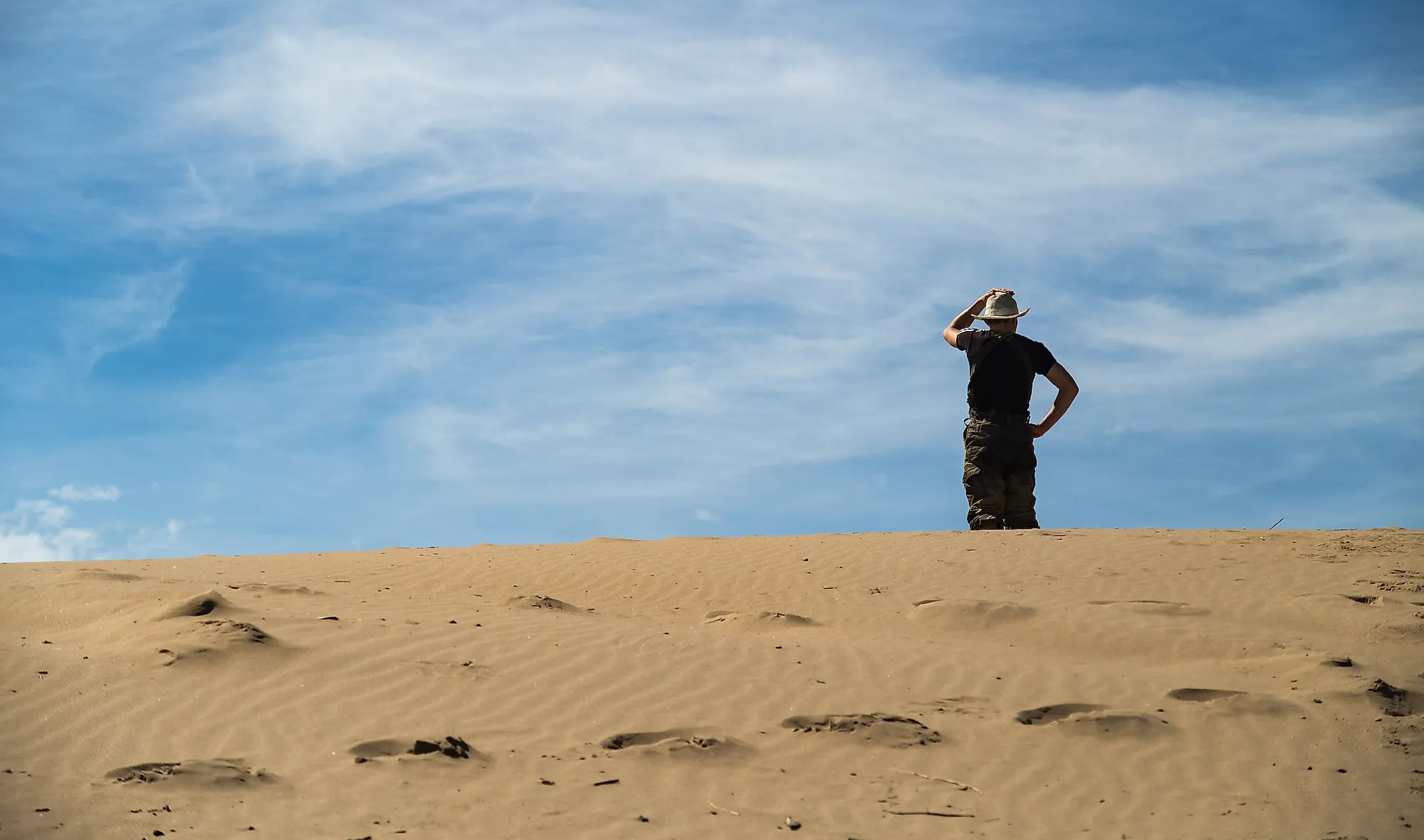
Desert temperatures drop fast after sunset. Your shelter must keep you warm and block the wind.
Use extra clothing, blankets, or natural materials to insulate yourself. Stay dry to keep heat.
- Wear a hat or cover your head
- Wrap yourself in clothes or a sleeping bag
- Build a small fire safely if possible
Credit: www.worldatlas.com
Signaling For Help
Signaling for help is key to being rescued if lost in the desert. Clear signals can catch the attention of rescuers.
Use simple and visible methods to show you need help. This increases your chances of being found quickly.
Using Mirrors And Reflective Objects
Mirrors and shiny objects can send light signals over long distances. These signals are often seen by aircraft or people far away.
Hold the mirror steady and aim the reflection at a moving target like a plane or vehicle. Flash the light in short bursts to attract attention.
- Use a compact mirror, metal, or glass object
- Shield your eyes and spot the target first
- Angle the mirror to reflect sunlight toward the target
- Flash in short, repeated bursts to stand out
Creating Ground Signals
Ground signals are visible signs made on the desert floor. Use rocks, sticks, or footprints to create large shapes.
Common symbols like “SOS” or arrows pointing to your location help rescuers understand your message quickly.
- Choose a flat, open area with good visibility from the air
- Use contrasting materials like dark rocks on light sand
- Make letters or shapes at least 10 feet wide
- Clear the area of debris to create sharp edges
Utilizing Technology
Technology can increase your chances of rescue. Use devices like phones, GPS trackers, or emergency beacons if available.
Turn on location sharing or send distress messages. Emergency signals from devices can guide rescuers to your exact spot.
- Keep your phone charged and conserve battery
- Use GPS devices to share your location
- Activate emergency SOS features on smartphones
- Carry a personal locator beacon if possible
Frequently Asked Questions
How Can I Find Water In The Desert?
Look for dry riverbeds, plants, or dig where vegetation is green. Collect morning dew.
What Should I Do To Avoid Heatstroke?
Stay in shade, drink water, and rest during the hottest hours of the day.
How Can I Signal For Help In The Desert?
Use mirrors, bright clothes, or create large ground signals visible from the air.
What Is The Best Way To Protect Skin From Sunburn?
Cover your skin with loose clothing, hats, and use sunscreen if available.
How Do I Stay Warm During Cold Desert Nights?
Use extra clothing, find shelter, and keep close to others to share body heat.
Conclusion
Surviving in the desert takes calm and smart choices. Stay hydrated and find shade often. Protect yourself from the sun’s heat. Use what you have to signal for help. Keep moving only when necessary and during cooler times. Trust your instincts and stay positive.
These tips can save your life in the desert. Remember, staying alive is your top goal. Stay alert, stay safe.