

Last Updated on June 17, 2026
Imagine being in a situation where every second counts, and the right knot could mean the difference between safety and danger. Knowing how to tie knots quickly and securely is a skill that can save your life.
Whether you’re building shelter, securing gear, or climbing to safety, mastering knot-tying techniques gives you confidence and control. You’ll discover simple, reliable knots anyone can learn — no matter your experience. Ready to boost your survival skills and feel prepared for anything?
Keep reading, because these knot-tying secrets might just be what you need when it matters most.

Credit: www.amazon.com
Basic Knots For Survival
Knot-tying is a key skill in survival situations. It helps secure shelter, gear, and food.
Learning a few basic knots can make your time outdoors safer and easier.
Square Knot
The square knot joins two ropes of the same thickness. It is simple and quick to tie.
This knot holds well under tension but can slip if the ropes are different sizes.
- Use it to tie bandages or packages
- Do not use it for heavy loads
- Also called the reef knot
Bowline
The bowline creates a fixed loop at the rope’s end. It is strong and easy to untie.
This knot is useful for rescue and securing ropes around objects.
- Does not slip under load
- Can be tied with one hand
- Commonly used in climbing and sailing
Clove Hitch
The clove hitch fastens a rope to a post or tree. It is quick to tie and adjust.
This knot is good for setting up shelters or securing items temporarily.
- Can slip if not under constant tension
- Easy to untie after use
- Works well for binding poles together
Knots For Securing And Shelter
Knowing how to tie strong knots is very useful in survival situations. These knots help secure gear and build shelters.
This guide explains three important knots for tying ropes tightly and safely. They work well with different materials and uses.
Taut-line Hitch
The Taut-Line Hitch is an adjustable knot. It holds tension on a rope and can slide when loose.
This knot is perfect for securing tent lines or tarps. It keeps the rope tight and easy to adjust.
- Wrap the rope around a post or stake.
- Make two loops around the standing part inside the first wrap.
- Make one loop outside the wraps.
- Pull tight and slide to adjust tension.
Timber Hitch
The Timber Hitch is used to tie a rope to a log or pole. It holds well while pulling or dragging.
It is simple to tie and untie, even after heavy use. This knot is great for building shelters with wood.
- Pass the rope around the wood.
- Loop the working end around the standing part.
- Twist the working end around itself three or more times.
- Pull tight to secure the knot.
Sheet Bend
The Sheet Bend joins two ropes of different thickness. It is strong and easy to tie.
This knot is useful for extending rope length or tying shelter materials together.
- Form a loop with the thicker rope.
- Pass the thinner rope through the loop from behind.
- Wrap the thinner rope around the loop’s back.
- Tuck the thinner rope under itself and pull tight.
Knots For Rescue And Safety
Knot-tying is important for rescue and safety in emergencies. Knowing the right knots can save lives.
This guide covers three key knots used in rescue and safety situations. Each knot has its own strength and use.
Figure Eight Knot
The figure eight knot is strong and easy to tie. It creates a secure loop at the rope’s end.
Rescuers use this knot to attach ropes to harnesses or anchors. It does not slip or come undone easily.
- Simple to learn and tie quickly
- Holds heavy loads safely
- Easily untied after loading
Double Fisherman’s Knot
The double fisherman’s knot joins two ropes together. It is very secure and strong under tension.
This knot is useful in rescue when longer ropes are needed. It is also good for making loops or slings.
- Creates a tight, reliable connection
- Works well with thin or slippery ropes
- Can be hard to untie after heavy load
Prusik Knot
The prusik knot is a friction knot. It slides when loose but locks when weight is applied.
This knot is often used to climb ropes or back up a rescue system. It grips the main rope without damage.
- Works as a movable grip on a rope
- Used for ascending or safety backups
- Tied with a smaller rope around a bigger rope
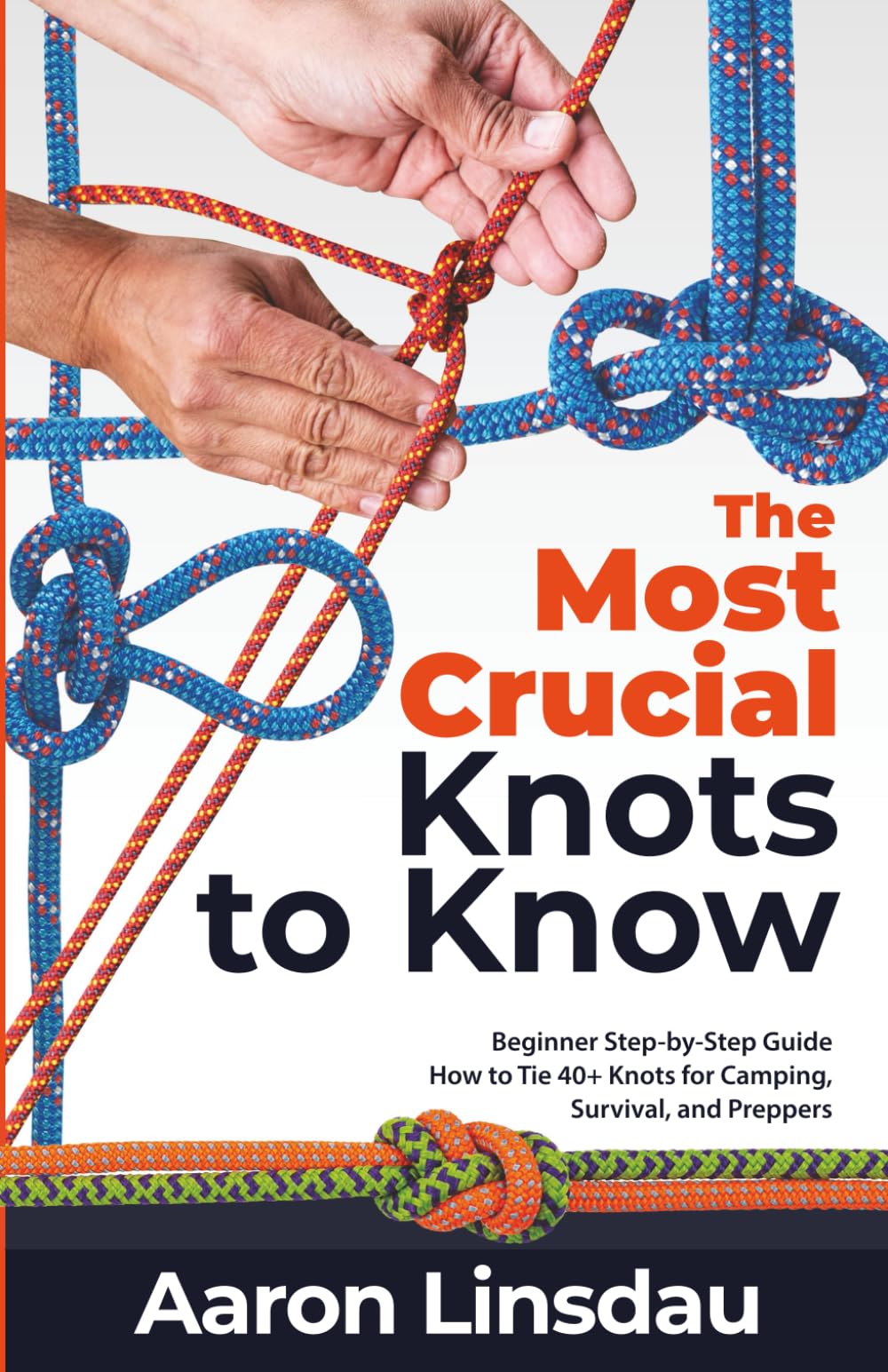
Credit: www.amazon.ca
Quick Tips To Master Knots Fast
Knowing how to tie knots is important for survival. Knots help you secure shelter, gear, and tools.
Learning knots quickly saves time and avoids frustration. Use easy ways to practice and remember knots.
Practice Techniques
Practice knots often to improve your skill. Use ropes or strings to practice at home or outside.
Repeat tying the same knot many times. This builds muscle memory and helps you tie knots faster.
- Set short daily practice times
- Focus on one knot before moving on
- Use different rope sizes to test skills
Use Visual Aids
Look at pictures and videos to see how knots are tied. Visual aids make learning easier and clearer.
Draw diagrams or print step-by-step guides. Follow each step to avoid mistakes and learn the correct method.
- Watch short tutorial videos
- Use apps with knot instructions
- Keep printed guides in your survival kit
Incorporate Knots In Daily Tasks
Use knots in daily life to build habit. Tie knots when packing bags or fixing items around the house.
Practicing knots during small tasks helps you remember them better. It also improves your speed and confidence.
- Tie knots in shoelaces or belts
- Use knots to hang clothes or tools
- Practice knots when camping or fishing

Credit: www.youtube.com
Frequently Asked Questions
What Are Essential Knots For Survival?
The Bowline, Square Knot, and Clove Hitch are essential. Easy to learn. Very useful in survival situations.
How Can Knot-tying Skills Help In Emergencies?
Knot-tying skills secure shelters, create traps, and rescue. Essential for survival. Boosts safety and efficiency.
What Is The Easiest Knot For Beginners?
The Square Knot is easiest. Simple design. Useful for joining two ropes together quickly.
Why Is The Bowline Knot Important?
The Bowline knot creates a fixed loop. It won’t slip. Ideal for rescue and securing loads.
How Do I Practice Knot-tying At Home?
Practice with ropes or cords. Follow video tutorials. Repeat until you’re confident. Simple, consistent practice builds skill.
Conclusion
Knowing basic knot-tying skills can save your life outdoors. Each knot serves a clear, practical purpose. Practice them often to build confidence and speed. Remember, strong knots keep you and your gear safe. Carry a small rope and try tying knots daily.
This simple skill helps in many survival situations. Stay prepared, stay safe, and trust your knots. Small efforts now bring big benefits later. Keep learning and practicing to improve every day.