

Last Updated on June 17, 2026
An earthquake can strike without warning, shaking everything around you in seconds. When the ground starts to tremble, your safety depends on how prepared you are.
Do you know the simple steps that could protect you and your loved ones during an earthquake? This guide will give you clear, easy-to-follow tips that can make all the difference when disaster hits. Keep reading to learn how to stay safe and confident if the earth beneath you begins to move.
Preparing Your Home
Earthquakes can strike without warning. Preparing your home can keep you safe. Small changes make a big difference during shaking.
Start by securing furniture and creating a kit. Also, know safe spots inside your home. These steps help protect you and your family.
Securing Heavy Furniture
Heavy furniture can fall and cause injuries during an earthquake. Attach bookshelves, cabinets, and dressers to wall studs. Use brackets or straps made for this purpose.
Place heavy items on lower shelves to prevent them from falling. Avoid putting fragile or heavy objects on top furniture.
- Use L-brackets or furniture straps
- Anchor tall furniture to walls
- Keep heavy items low and secure
- Check stability regularly
Creating An Emergency Kit
Prepare an emergency kit with items you need after an earthquake. Keep enough supplies for at least three days. Store the kit in a place easy to reach.
Your kit should have food, water, and first aid. Include flashlights, batteries, and important documents. Think about special needs for family members or pets.
- Non-perishable food and water
- First aid supplies
- Flashlight and extra batteries
- Copies of important documents
- Medications and personal items
- Whistle to signal for help
Identifying Safe Spots Indoors
Find safe spots inside your home where you can take cover during shaking. These places protect you from falling objects and glass.
Good safe spots include under sturdy tables or against interior walls away from windows. Avoid doorways and areas near heavy furniture.
- Under strong tables or desks
- Inside corners or against interior walls
- Away from windows and glass
- Clear of heavy or tall furniture
Credit: medium.com
During An Earthquake
Earthquakes can happen without warning. Knowing what to do helps keep you safe.
Stay focused and follow simple actions to protect yourself during shaking.
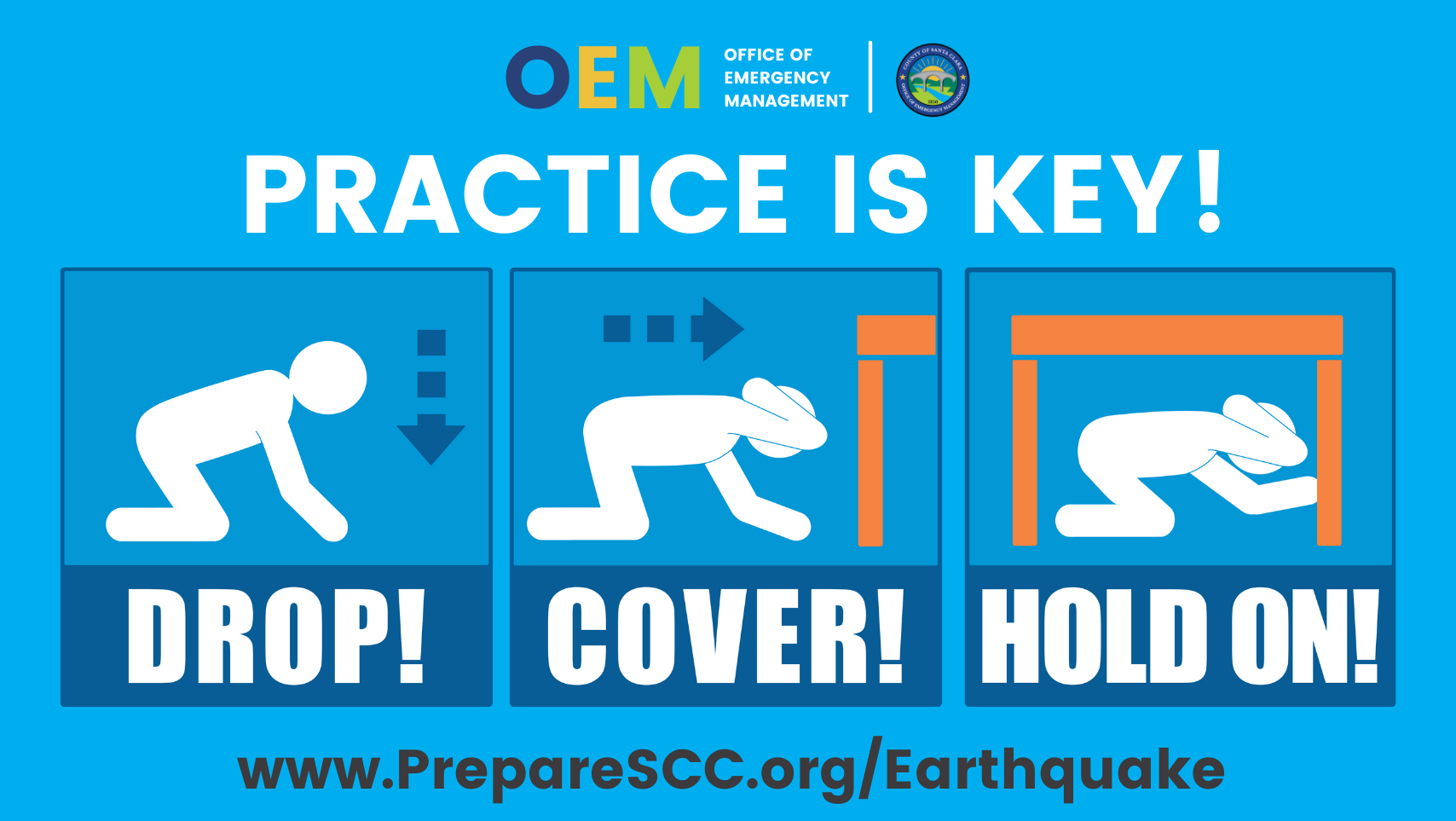
Drop, Cover, And Hold On
Drop to your hands and knees to avoid falling. Cover your head and neck.
Take cover under sturdy furniture like a table. Hold on until shaking stops.
- Drop down quickly and stay low
- Cover your head and neck with your arms
- Hold onto furniture to keep your cover
- Stay indoors until shaking ends
Avoiding Hazardous Areas
Move away from windows, glass, and heavy objects that can fall.
Stay clear of doorways and outside walls. Avoid elevators and stairs.
- Stay away from windows and mirrors
- Avoid tall furniture and heavy objects
- Do not use elevators during shaking
- Keep clear of outside walls and balconies
Staying Calm And Alert
Keep calm to think clearly and act safely. Panic can cause injuries.
Listen carefully for emergency alerts and instructions after shaking stops.
- Breathe slowly to stay calm
- Focus on protecting yourself first
- Watch for falling debris and hazards
- Wait for official safety updates
After The Shake
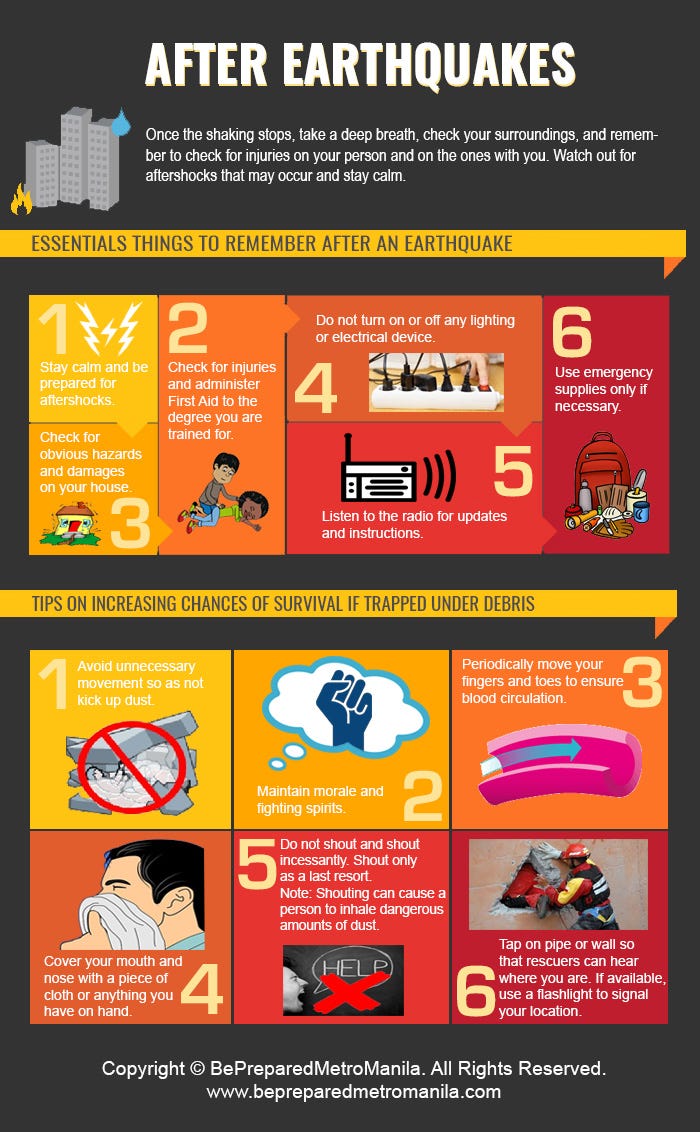
After an earthquake, it is important to stay calm and act carefully. The shaking may stop, but dangers still exist.
Knowing what to do next can keep you and your family safe. Follow these steps to handle the situation well.
Checking For Injuries
Look at yourself and others for any injuries. Give first aid if you know how.
Call for help if someone is seriously hurt. Do not move injured people unless needed.
- Check for bleeding and stop it with pressure
- Look for broken bones and avoid moving them
- Keep injured people calm and warm
- Call emergency services if needed
Inspecting Utilities And Structures
Check your home for damage after the shaking stops. Look at walls, ceilings, and floors.
Turn off utilities if you smell gas or see leaks. This lowers the risk of fire or explosions.
- Look for cracks or falling debris
- Check gas, water, and electricity lines
- Turn off gas if you smell a leak
- Do not use electrical switches if you suspect damage
- Stay outside if the building is unsafe
Communicating With Family And Authorities
Contact your family to make sure everyone is safe. Use text messages to save phone lines.
Listen to official news and instructions from authorities. Follow their advice for safety.
- Use text or social media for quick contact
- Keep phone calls short and only for emergencies
- Follow local emergency broadcasts
- Report serious injuries or hazards to authorities
Credit: medium.com
Building Long-term Safety Habits
Earthquakes can happen without warning. Building safety habits helps protect you and your family.
Regular practice and preparation make it easier to stay calm and act fast during an earthquake.
Regular Drills And Practice
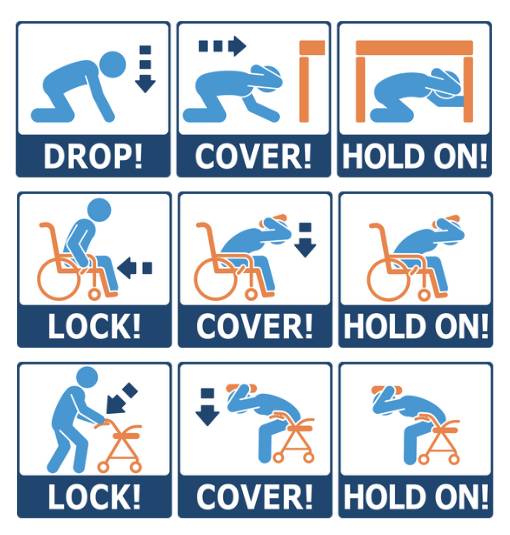
Practice earthquake drills often. This helps everyone know what to do when shaking starts.
Drills teach you to drop, cover, and hold on safely. Repeating drills builds confidence.
- Schedule drills every few months
- Practice in different rooms
- Include all family members
- Review safe spots and exits
Updating Emergency Supplies
Keep emergency kits ready with food, water, and first aid supplies. Check them regularly.
Replace expired items and add new supplies as needed. A well-stocked kit can save lives.
- Check water and food expiration dates twice a year
- Restock medicines and batteries
- Include important documents in a safe place
- Update supplies for any new family members or pets
Community Preparedness Involvement
Join local safety groups to learn more about earthquake readiness. Community plans help everyone stay safe.
Sharing knowledge and resources makes your neighborhood stronger. Help others practice safety habits too.
- Attend community safety meetings
- Volunteer in local emergency programs
- Share safety tips with neighbors
- Help create neighborhood response plans
Credit: medium.com
Frequently Asked Questions
What Should I Do During An Earthquake?
Drop, cover, and hold on. Stay indoors. Protect your head. Move away from windows.
How Can I Prepare For An Earthquake?
Create an emergency kit. Plan evacuation routes. Secure heavy furniture. Practice drills regularly.
What Items Should Be In My Emergency Kit?
Include water, non-perishable food, flashlight, batteries, first-aid kit, and important documents.
Is It Safe To Stay In A Car During An Earthquake?
Yes, if outdoors. Stay inside the car. Avoid stopping under overpasses or bridges.
How Do I Check For Damages After An Earthquake?
Inspect gas, water, and electrical lines. Look for cracks in walls. Be alert for aftershocks.
Conclusion
Earthquakes can happen anytime and anywhere. Staying calm helps you think clearly. Always have an emergency kit ready at home. Know safe spots to protect yourself quickly. Practice drills with family to build confidence. After shaking stops, check for injuries and hazards.
Staying prepared saves lives and reduces panic. Remember these tips to stay safe during quakes. Safety starts with simple, smart actions every day. Be ready, stay aware, and protect those you love.