

Last Updated on June 17, 2026
When an earthquake strikes, every second counts. Are you ready to protect yourself and your loved ones when disaster hits?
Having a well-packed earthquake preparedness kit can make all the difference between chaos and calm. You’ll find a simple, easy-to-follow checklist to help you gather the essential items you need before an earthquake occurs. Don’t wait until it’s too late—your safety starts with being prepared.
Keep reading to make sure you have everything you need to face an earthquake with confidence.
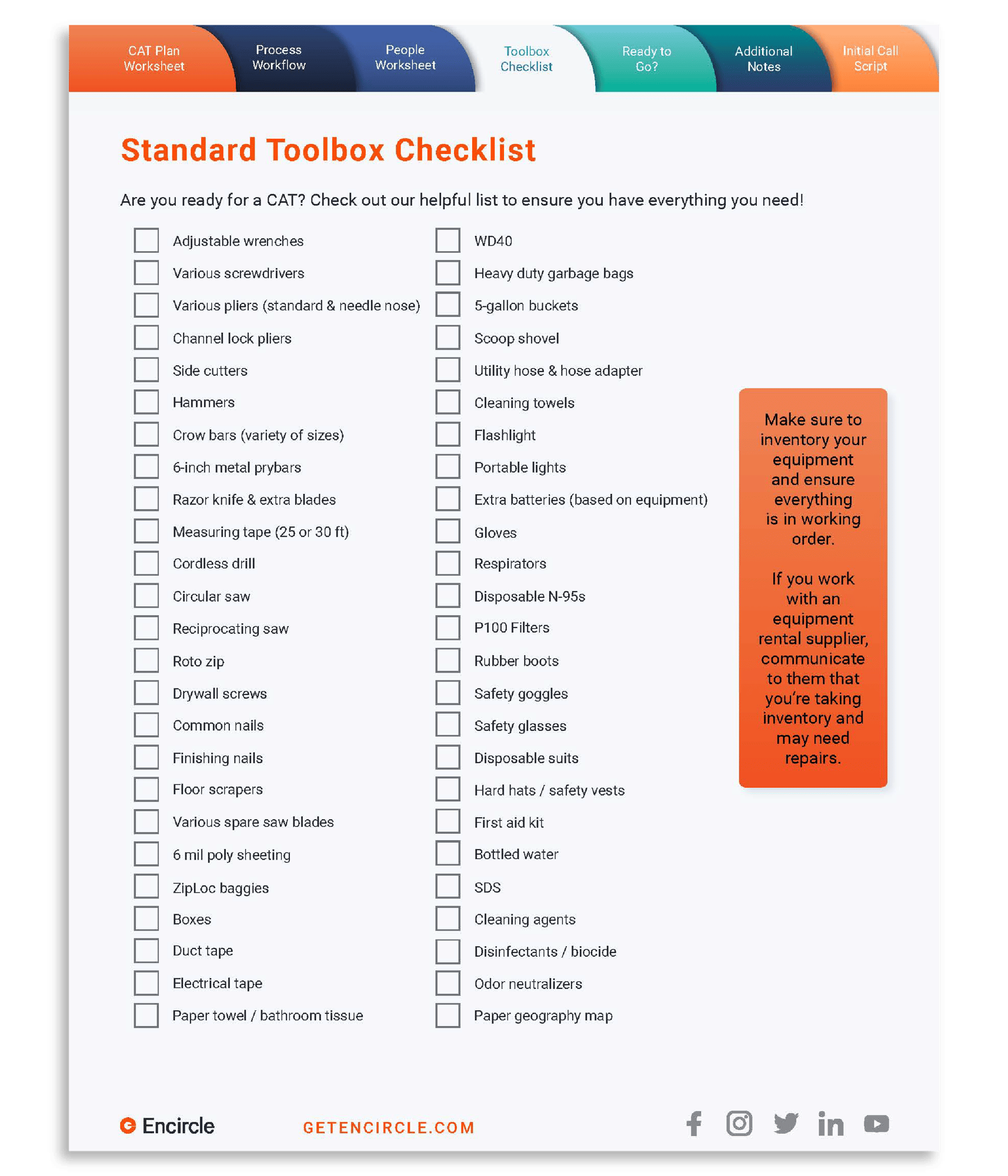
Credit: www.getencircle.com
Basic Survival Supplies
Having the right supplies can save your life during an earthquake. Prepare a kit with basic items to help you stay safe.
This kit should cover your needs for at least three days. Focus on water, food, and first aid essentials.
Water And Hydration
Water is the most important supply. You need enough clean water to stay hydrated after an earthquake.
Store at least one gallon of water per person per day. Keep water in sealed containers or bottles.
- Water bottles (sealed and clean)
- Water purification tablets or filters
- Extra containers for collecting rainwater
- Manual water pump or siphon
Non-perishable Food
Pack food that does not need refrigeration. Choose items that last long and give good energy.
Include a variety of foods to meet your nutritional needs. Pick easy-to-open packages.
- Canned meats, fish, and beans
- Granola bars and energy bars
- Dried fruits and nuts
- Instant noodles or soup packets
- Peanut butter and crackers
First Aid Essentials
A first aid kit helps treat injuries after an earthquake. Include basic medical supplies and tools.
Check your kit regularly and replace used or expired items. Add personal medications if needed.
- Bandages of different sizes
- Antiseptic wipes and ointments
- Gauze pads and adhesive tape
- Scissors and tweezers
- Pain relievers and allergy medicine
- Disposable gloves and a CPR mask

Credit: www.reddit.com
Safety And Protection Gear
An earthquake can cause dangerous debris and dust. Wearing the right gear helps protect you from injury. Safety and protection gear are essential in your earthquake preparedness kit.
This gear can reduce cuts, bruises, and breathing problems. It keeps you safer during and after an earthquake.
Protective Clothing
Protective clothing shields your body from sharp objects and falling debris. Choose clothes made from sturdy materials that cover your arms and legs.
Long sleeves, pants, and closed-toe shoes are best. Gloves protect your hands from cuts and scrapes.
- Long-sleeved shirts and pants
- Heavy-duty gloves
- Sturdy, closed-toe shoes or boots
- Helmet or hard hat for head protection
Emergency Blankets
Emergency blankets keep you warm if you are trapped or outside in cold weather. They are lightweight and easy to carry in your kit.
These blankets reflect body heat and protect against wind and rain. Always include at least one emergency blanket in your kit.
- Compact and lightweight
- Reflects body heat to keep warm
- Water-resistant to block rain and wind
- Can be used to signal for help
Dust Masks And Goggles
Earthquakes create dust and debris that can harm your eyes and lungs. Dust masks help you breathe safely by filtering particles from the air.
Goggles protect your eyes from dust and sharp objects. Both are important to avoid irritation and injury.
- Use dust masks rated N95 or higher
- Choose goggles that fit snugly and protect fully
- Keep extra masks and goggles in your kit
- Replace masks if they become wet or dirty
Communication And Navigation Tools
Having the right communication and navigation tools is vital during an earthquake. These tools help you stay connected and find your way if you become lost.
Prepare these items in your earthquake kit to improve safety and reduce confusion after a quake.
Flashlights And Batteries
Flashlights provide light when power goes out. Always pack extra batteries to keep them working.
Choose LED flashlights because they last longer and use less power. Test your flashlights regularly.
- Carry at least two flashlights per person
- Store extra batteries in a waterproof bag
- Use headlamps for hands-free lighting
- Check batteries every six months
Emergency Radios
Emergency radios let you hear important news and weather updates. Choose radios with hand cranks or solar power.
Keep your radio tuned to local emergency channels. This helps you get alerts even if phones don’t work.
- Pick a radio with multiple power options
- Test the radio often to ensure it works
- Learn how to change channels quickly
- Store extra batteries for battery-powered radios
Maps And Compasses
Digital devices may fail after an earthquake. Paper maps and compasses help you find safe routes.
Learn how to read a map and use a compass before an emergency. Store updated maps of your area in your kit.
- Include local and regional maps
- Mark safe zones and emergency shelters
- Practice compass use with family members
- Keep maps in a waterproof folder
Credit: www.kitimat.ca
Personal And Important Items
Having a well-prepared earthquake kit can help keep you safe. Personal and important items are key parts of this kit.
These items help you identify yourself, pay for things, and manage your health during emergencies.
Identification And Documents
Keep your ID and important documents in a waterproof bag. These papers prove who you are and help with recovery.
- Driver’s license or state ID
- Passport or birth certificate
- Social security card
- Insurance papers
- Medical records
- Emergency contact list
Cash And Credit Cards
Cash and credit cards help you buy essentials after an earthquake. Keep small bills for easy use.
- Small bills in different amounts
- Credit or debit cards stored safely
- Extra cash in a hidden spot
Medications And Prescriptions
Bring enough medicines to last several days. Keep prescriptions and dosage instructions with you.
- Daily prescription medicines
- Over-the-counter pain relief
- First aid supplies
- Copies of prescriptions
- Medical alert information
Frequently Asked Questions
What Items Are Essential In An Earthquake Kit?
An earthquake kit must include water, non-perishable food, flashlight, batteries, first aid supplies, and a whistle.
How Much Water Should Be Stored For Emergencies?
Store at least one gallon of water per person per day. Aim for a three-day supply.
Why Is A Whistle Important In An Earthquake Kit?
A whistle helps you signal for help if trapped. It saves voice and energy during emergencies.
Should I Include Cash In My Earthquake Kit?
Yes, include small bills. ATMs and card systems might not work after an earthquake.
How Often Should I Update My Earthquake Kit?
Check and update your kit every six months. Replace expired items and adjust for new family needs.
Conclusion
Preparing an earthquake kit saves lives and reduces stress. Keep water, food, and first aid supplies ready. Check your kit often and replace old items. Store it in an easy-to-reach place for quick access. Share this checklist with family and friends.
Stay safe and be ready before an earthquake strikes. Small steps today make a big difference tomorrow.