

Last Updated on June 17, 2026
Imagine waking up one day to sudden news of a health crisis spreading fast around the world. How ready are you to protect yourself and your loved ones?
Pandemic emergency preparedness isn’t just a buzzword—it’s a crucial step you can take right now to stay safe and calm when uncertainty strikes. You’ll discover simple, practical tips that empower you to act quickly and confidently. Don’t wait for the next crisis to hit—your peace of mind starts with being prepared today.
Keep reading to learn how to take control of your safety and well-being.
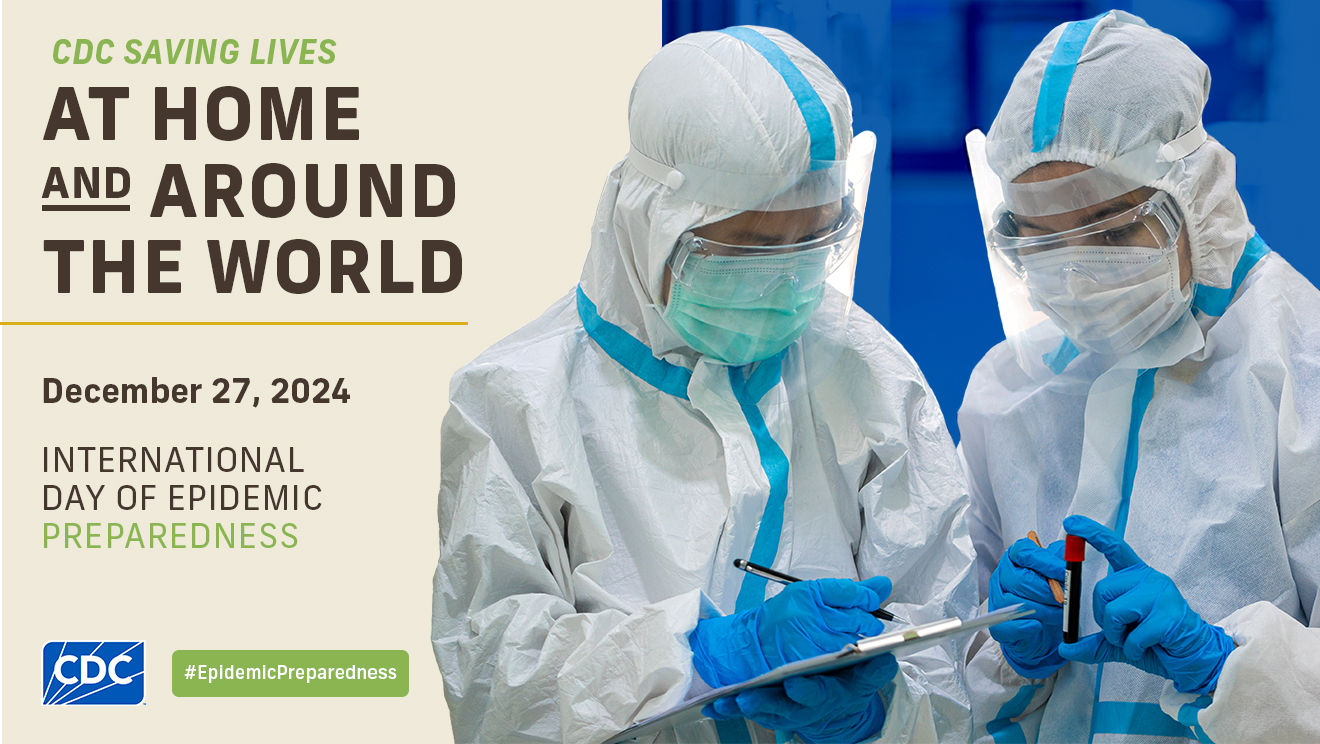
Credit: www.cdc.gov
Risk Assessment And Planning
Preparing for a pandemic is important to keep people safe. Risk assessment and planning help communities get ready.
By understanding risks and making plans, we can reduce harm and respond faster to emergencies.
Identifying Potential Threats
First, find out what types of diseases could cause a pandemic. Look at past outbreaks and current health trends.
Consider factors like how diseases spread and who is most at risk in your area.
- Study local and global disease patterns
- Identify vulnerable groups such as elderly or sick people
- Check for places where infection can spread quickly
Developing Response Strategies
Plan actions to reduce the impact of a pandemic. Decide how to warn people and limit disease spread.
Create clear steps for health workers and emergency teams to follow during a crisis.
- Set up communication plans for public information
- Design quarantine and isolation procedures
- Train staff for emergency health care roles
Resource Allocation
Make sure enough supplies and equipment are ready before a pandemic starts. This saves lives.
Decide how to share resources fairly and use them wisely during an emergency.
- Stockpile medicines, masks, and cleaning supplies
- Plan for staff shortages and backup support
- Identify locations for care centers and supply storage
Communication Strategies
Good communication is key in pandemic emergency preparedness. It helps keep people safe and informed.
Clear messages reduce confusion and guide actions during a crisis.
Internal Communication Channels
Use reliable channels to share updates with staff quickly. Choose tools everyone can access easily.
Keep messages clear and consistent to avoid misunderstandings inside the organization.
- Email alerts for detailed information
- Instant messaging for quick updates
- Phone trees for urgent calls
- Intranet posts for ongoing resources
Public Information Dissemination
Share accurate information with the public to build trust. Use simple language anyone can understand.
Use multiple platforms to reach different groups effectively.
- Social media for fast updates
- Press releases for official statements
- Community meetings for direct interaction
- Flyers and posters in public places
Crisis Messaging Techniques
Deliver messages that calm fears and give clear steps to follow. Avoid causing panic.
Focus on facts and what people can do to stay safe.
- Use short and simple sentences
- Repeat key messages often
- Address common questions and concerns
- Use visuals to explain complex ideas
Health And Safety Protocols
Preparing for a pandemic means knowing how to stay safe and healthy. Health and safety protocols help protect people from illness.
Following clear guidelines can reduce the spread of disease and keep communities strong during emergencies.
Personal Protective Equipment
Personal protective equipment (PPE) helps stop germs from spreading. It protects your body from viruses and bacteria.
Common PPE includes masks, gloves, and face shields. Wearing these can lower the risk of infection.
- Wear masks that cover your nose and mouth
- Use gloves when touching shared surfaces
- Face shields add extra protection for eyes
- Change PPE regularly to keep it effective
Sanitation And Hygiene Measures
Good sanitation and hygiene stop germs from spreading on hands and surfaces. Clean hands and areas often.
Wash hands with soap for at least 20 seconds. Use hand sanitizer if soap is not available.
- Wash hands before eating and after using the restroom
- Disinfect surfaces like doorknobs and tables daily
- Use clean towels or air dry your hands
- Cover coughs and sneezes with your elbow
Quarantine And Isolation Guidelines
Quarantine and isolation keep sick people from spreading illness. Stay apart from others if you feel unwell.
Follow local health rules on how long to stay isolated. Watch for symptoms and seek help if needed.
- Stay in a separate room if possible
- Use a separate bathroom if available
- Avoid sharing personal items like dishes or towels
- Wear a mask around others if you must be close

Credit: srs.ubc.ca
Training And Drills
Training and drills help prepare people for emergencies during a pandemic. They teach important skills and actions to stay safe.
Regular practice through drills makes sure everyone knows their role. This reduces confusion and improves response times.
Staff Preparedness Programs
Staff preparedness programs train employees on health and safety measures. These programs include lessons on hygiene, protective gear, and emergency steps.
Programs often cover how to identify symptoms and report cases. They also explain how to keep workspaces clean and safe.
- Handwashing techniques
- Using personal protective equipment (PPE)
- Social distancing rules
- Reporting illness procedures
Simulated Emergency Exercises
Simulated emergency exercises create practice scenarios for staff. These drills test how well teams respond to a pandemic threat.
Exercises help find gaps in plans and improve coordination. They build confidence and reduce panic in real situations.
- Mock infection outbreak drills
- Evacuation practice
- Communication system tests
- Medical response simulations
Continuous Improvement Processes
Continuous improvement means updating plans after each drill or real event. It helps make preparedness stronger over time.
Feedback is collected from staff and leaders. This information guides changes to training and emergency procedures.
- Review drill outcomes
- Identify weaknesses
- Update training materials
- Improve communication plans

Credit: www.weforum.org
Frequently Asked Questions
What Is Pandemic Emergency Preparedness?
Pandemic emergency preparedness means having plans and supplies ready for a pandemic. It helps protect you and your family.
Why Is Pandemic Preparedness Important?
Preparedness reduces panic and chaos. It ensures safety and quick response. Helps keep everyone calm and informed.
How Can I Prepare For A Pandemic?
Stock up on essentials like food, water, and medicine. Create a communication plan. Stay informed through reliable sources.
What Supplies Should Be Included In A Pandemic Kit?
Include masks, sanitizers, non-perishable food, water, and medicines. Don’t forget important documents and a first-aid kit.
How Do I Stay Informed During A Pandemic?
Follow trusted sources like health departments and news outlets. Sign up for alerts and updates from official channels.
Conclusion
Preparing for a pandemic helps protect you and your family. Stay informed about health guidelines and updates. Keep essential supplies ready for emergencies. Practice good hygiene to reduce the risk of illness. Plan how to communicate and support each other.
Being ready brings peace of mind during uncertain times. Small steps can make a big difference in safety. Stay calm, stay prepared, and stay safe always.