

Last Updated on June 17, 2026
Imagine facing an emergency without a clear plan—feeling unprepared and stressed. You don’t want that to happen to you or your loved ones.
That’s why having an Emergency Preparedness Checklist is essential. This simple tool can guide you step-by-step to get ready for unexpected situations. You’ll discover exactly what you need to stay safe and confident when disaster strikes. Keep reading to take control of your safety and protect what matters most.
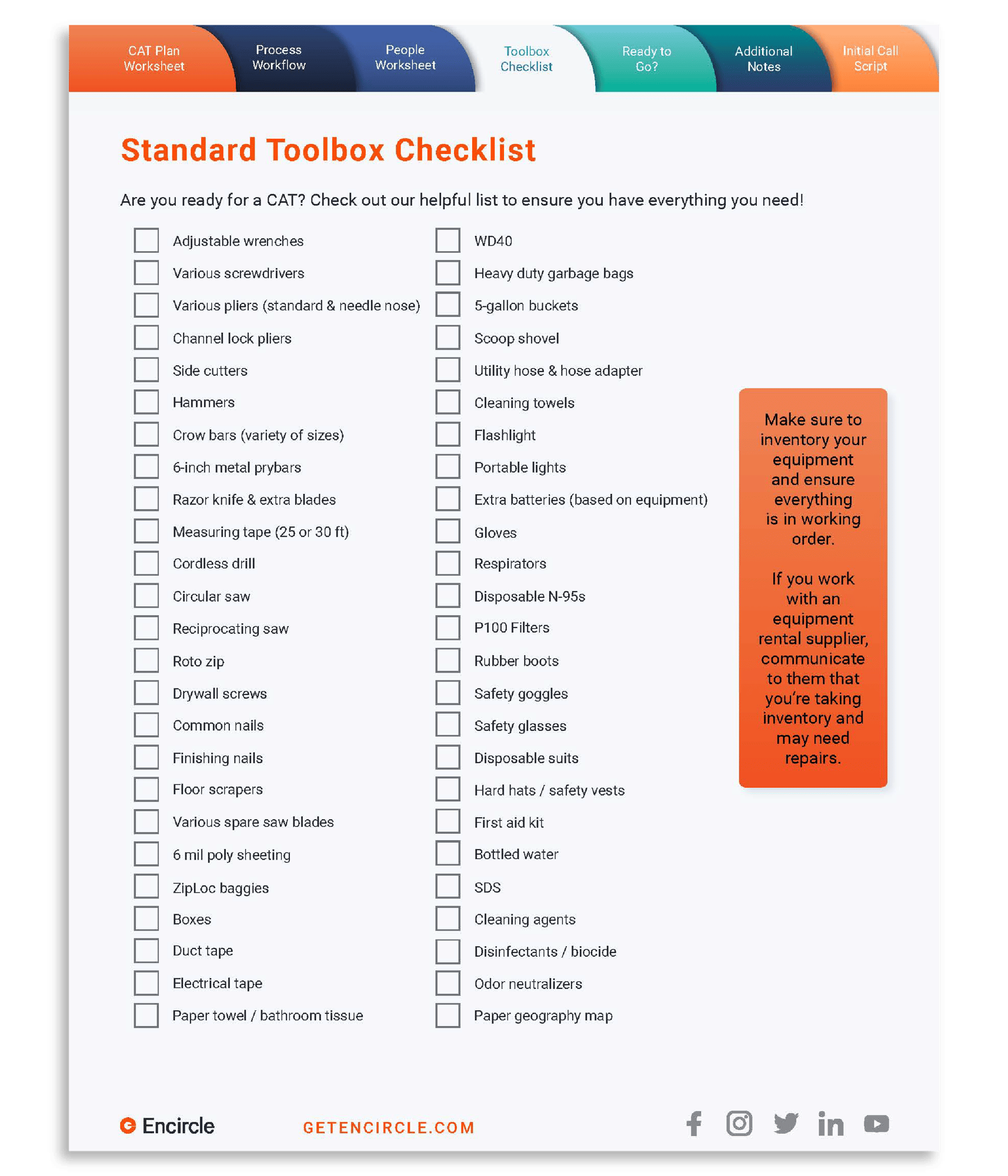
Credit: www.getencircle.com
Build A Survival Kit
Building a survival kit helps you stay safe during emergencies. It keeps important items ready for quick use.
Your kit should have basic supplies to cover food, water, and health needs. Preparing early saves time later.
Essential Supplies To Include
Choose items that cover your basic needs. Include tools and supplies that help you survive for several days.
- Flashlight and extra batteries
- Multi-tool or pocket knife
- Emergency blanket or sleeping bag
- Matches or a lighter in a waterproof container
- Whistle to signal for help
- Copies of important documents
Food And Water Storage
Store enough food and water for at least three days. Choose non-perishable food that is easy to prepare.
Keep water in clean, sealed containers. Each person needs about one gallon of water per day.
- Ready-to-eat canned goods
- Energy bars and dried fruits
- Bottled water or water purification tablets
- Manual can opener
First Aid And Medications
Include a first aid kit with bandages, antiseptics, and pain relievers. Add personal medications you need daily.
Check expiration dates regularly. Replace items when needed to keep the kit ready.
- Adhesive bandages in various sizes
- Antiseptic wipes and ointments
- Pain and fever medicine like ibuprofen
- Prescription medications and copies of prescriptions
- Tweezers and scissors

Credit: cecosesola.org
Create A Family Plan
Having a family plan helps everyone stay safe during emergencies. It sets clear steps for what to do and where to go.
Talk with your family about the plan and practice it often. This way, everyone knows what to do when time is critical.
Communication Strategies
Decide how your family will contact each other during an emergency. Phones may not work, so plan backup ways to connect.
Choose a person outside your area as a contact. This person can share information between family members.
- Save important phone numbers on paper and phones
- Use text messages or social media if calls fail
- Agree on signals or signs if you cannot speak
- Check in with your emergency contact regularly
Evacuation Routes
Know several ways to leave your home and neighborhood. Roads may be blocked, so have backup routes ready.
Practice walking or driving these routes with your family. Make sure everyone knows the fastest and safest paths.
- Identify at least two exits from your home
- Find routes to reach main roads or highways
- Check local maps for evacuation routes
- Plan routes for pets and people with special needs
Meeting Points
Pick safe places where your family can meet after evacuating. Choose spots near your home and outside your neighborhood.
Make sure everyone knows these locations. Practice going to each place so no one gets lost.
- Choose a spot outside your home, like a tree or mailbox
- Pick a place outside your neighborhood, like a park or school
- Set a meeting point near a trusted friend or relative’s house
- Confirm everyone can reach these points safely
Secure Your Home
Preparing your home for emergencies keeps you and your family safe. It helps reduce damage and loss during a crisis.
Focus on safety checks, power solutions, and protecting valuables. These steps make your home stronger in tough times.
Safety Checks
Inspect doors and windows to ensure they lock securely. Fix broken latches or hinges to prevent easy entry.
Check smoke detectors and carbon monoxide alarms. Replace batteries regularly to keep them working well.
- Test locks on all doors and windows
- Replace or repair damaged security features
- Install or check smoke and carbon monoxide alarms
- Clear clutter to avoid fire hazards
Emergency Power Solutions
Have backup power ready in case the electricity goes out. This helps keep lights and important devices running.
Generators and battery packs are good options. Make sure you know how to use them safely.
- Keep a portable generator with fuel stored safely
- Use battery-powered lanterns and flashlights
- Charge power banks for phones and small devices
- Test all power sources regularly
Protecting Valuables
Store important documents and valuables in a safe, waterproof box. This keeps them safe from water and fire damage.
Create digital copies of documents and save them on a secure cloud service or external drive.
- Use a fireproof and waterproof safe
- Include IDs, insurance papers, and medical records
- Keep cash and emergency contacts inside the safe
- Make digital backups of all important documents
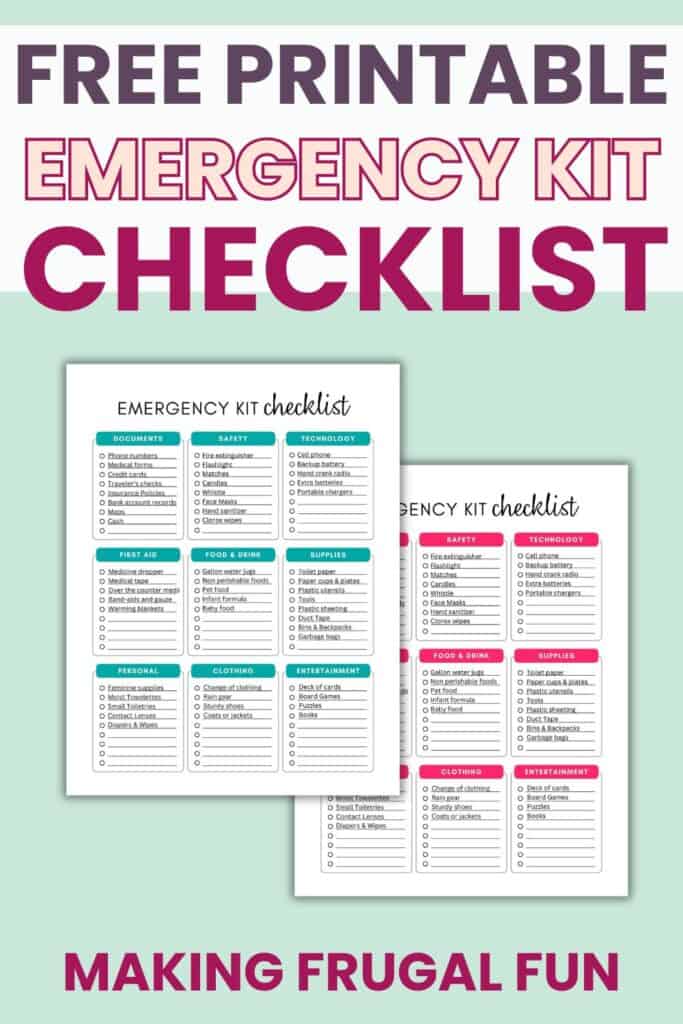
Credit: www.makingfrugalfun.com
Stay Informed
Staying informed is key during emergencies. It helps you act fast and stay safe.
Use reliable sources to get the latest news and updates about emergencies.
Weather Alerts
Weather alerts warn you about storms, floods, or other dangers. Listen to alerts from trusted sources.
These alerts help you prepare and avoid harm during bad weather.
- Sign up for local weather notifications
- Use a weather radio for continuous updates
- Follow official weather channels on TV or online
Local Emergency Resources
Know where to find help in your area. Local emergency resources provide aid and information.
Examples include police, fire stations, shelters, and community centers.
- Keep contact numbers for emergency services
- Learn about nearby evacuation centers
- Check your town’s emergency plans and maps
Useful Apps And Tools
Apps can send alerts and give important info during emergencies. Many apps work offline too.
Use tools that track weather, emergency contacts, and safe routes.
- Download apps for weather alerts
- Use apps that share emergency news
- Keep a flashlight and first aid app on your phone
Frequently Asked Questions
What Should Be In An Emergency Kit?
An emergency kit should have water, food, flashlight, batteries, first aid supplies, and important documents.
How Often Should You Update Your Emergency Plan?
Update your emergency plan every six months. Include new family members and address changes.
Why Is Emergency Preparedness Important?
Emergency preparedness saves lives. It reduces panic and helps your family respond quickly during crises.
What Are Common Household Emergency Supplies?
Common supplies include water, canned food, flashlight, batteries, first aid kit, and personal hygiene items.
How Can You Practice Emergency Drills At Home?
Conduct regular drills. Assign roles, practice escape routes, and ensure everyone knows the emergency plan.
Conclusion
Being prepared can save lives and reduce stress during emergencies. Keep your checklist updated and easy to find. Practice your plan with family or friends regularly. Stay informed about local risks and alerts. Small steps today make a big difference tomorrow.
Start building your emergency kit now. Safety starts with simple, clear actions. Don’t wait until it’s too late. Your peace of mind is worth the effort.